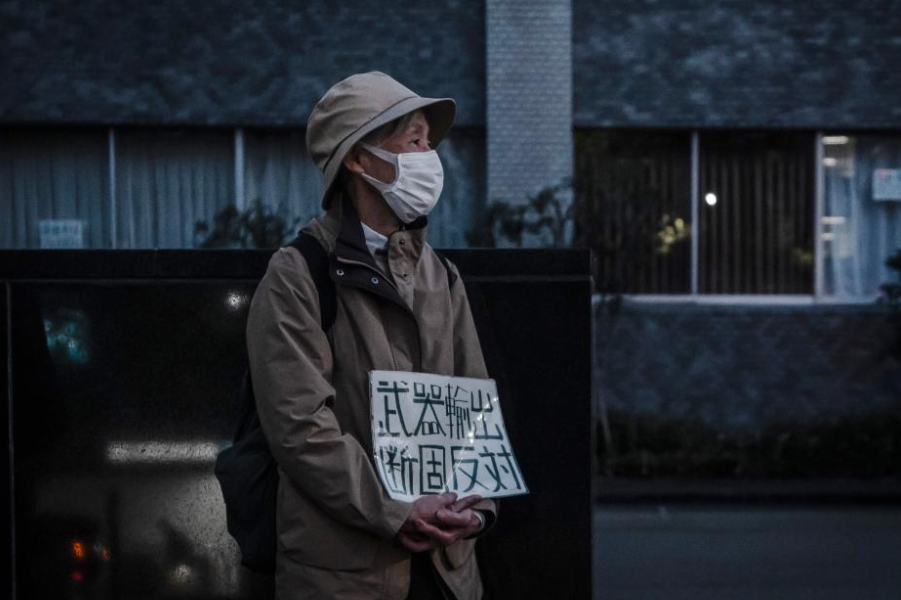
In a move that has drawn both domestic pushback and international scrutiny, the Japanese government moved forward with a controversial revision of its defense equipment export regulations on Tuesday, April 21, 2026, removing long-standing restrictions that barred most shipments of lethal weapons to overseas buyers, according to a Kyodo News report. Just four days before the government formalized the policy change, hundreds of Japanese citizens gathered outside the prime minister’s official residence in central Tokyo on the evening of April 16 to stage a public protest. Holding placards and voicing clear opposition, demonstrators condemned the administration’s decision to scrap the decades-old arms export constraints, warning that the policy shift risks dragging Japan into greater global military entanglement and fueling regional arms proliferation. This revision marks a major break from Japan’s post-World War II pacifist stance, which for generations has imposed strict limits on the development and international trade of offensive military capabilities. Beyond domestic backlash, the policy change has already drawn attention from neighboring countries that have previously called on Japan to uphold historical reflection and guard against the resurgence of Japanese militarism. In prior statements, Chinese officials have emphasized that Japan bears a fundamental obligation to prevent the reemergence of aggressive militarism in the region, a point that has taken on new urgency following the arms rule revision.