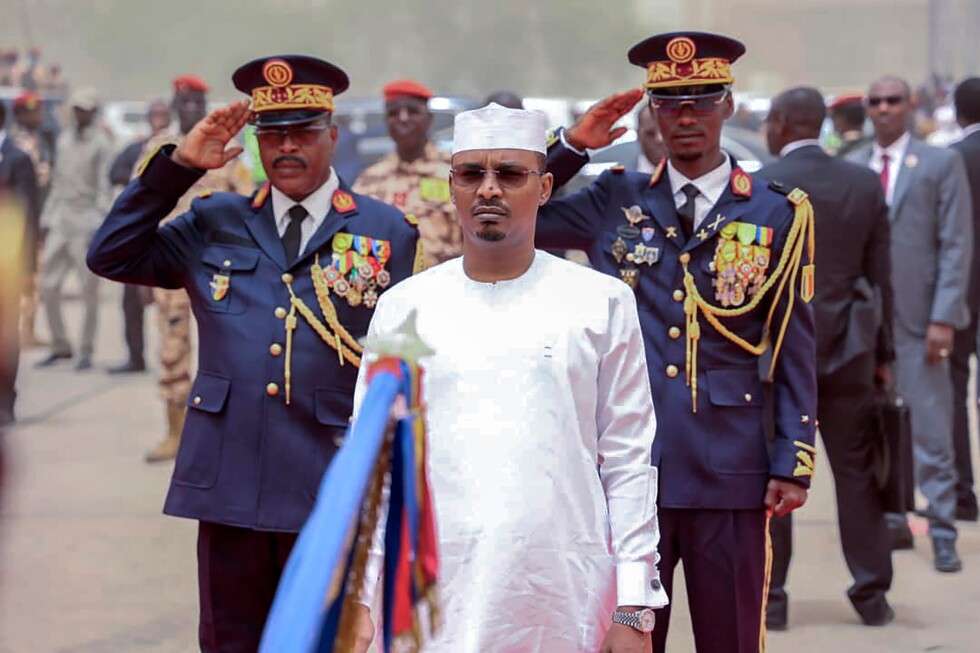
N’DJAMENA, Chad – Amid spiraling gang-driven instability in Haiti, the Central African nation of Chad has formally announced plans to deploy 1,500 troops to the Caribbean country, joining the United Nations-endorsed multinational security mission tasked with quelling rampant organized violence, according to a formal correspondence from Chadian President Mahamat Déby Itno addressed to the national legislature.
The president’s letter, delivered to sitting lawmakers on Monday, outlined that the deployment will be structured as two full battalions, each composed of 750 military personnel. The mission is scheduled to kick off this month and will run for an initial 12-month mandate, a response to an official request extended by the United Nations to boost the struggling anti-gang operation.
Notably, a forward contingent of 400 Chadian soldiers has already been deployed to Haiti for the mission. President Déby emphasized that the deployment represents a point of national honor for Chad and its professional defense and security forces, who are stepping in to address a pressing global security crisis.
This new contribution from Chad comes against a years-long backdrop of catastrophic insecurity that has crippled Haiti’s governing institutions. Last year, the UN Security Council greenlit an expansion of the Kenya-led multinational operation, officially dubbed the Gang Suppression Force, boosting its authorized troop strength from an initial 2,500 personnel to 5,500. The resolution also granted the expanded force new authority that its predecessor lacked: the power to arrest suspected gang members, a critical upgrade for targeting organized criminal groups.
The original 2023 mission, led primarily by Kenyan police, was severely undermined from its launch by persistent shortfalls in both personnel and funding, leaving it unable to reverse the gang’s rapid territorial gains. Today, powerful and well-armed violent gangs control up to 90 percent of Port-au-Prince, Haiti’s capital, along with large swathes of the country’s central agricultural region.
The crisis has already claimed countless lives and destabilized the country at the highest levels: in 2021, a team of armed assassins killed former Haitian President Jovenel Moïse in a brazen attack inside his private residence. Just last month, the security situation deteriorated further when one of Haiti’s most powerful criminal groups, the Gran Grif gang, launched a fresh large-scale assault on the central town of Petite-Rivière de l’Artibonite. Local human rights organizations confirm the attack left at least 30 people dead and dozens more unaccounted for, underscoring the urgent need for expanded international support to restore order.