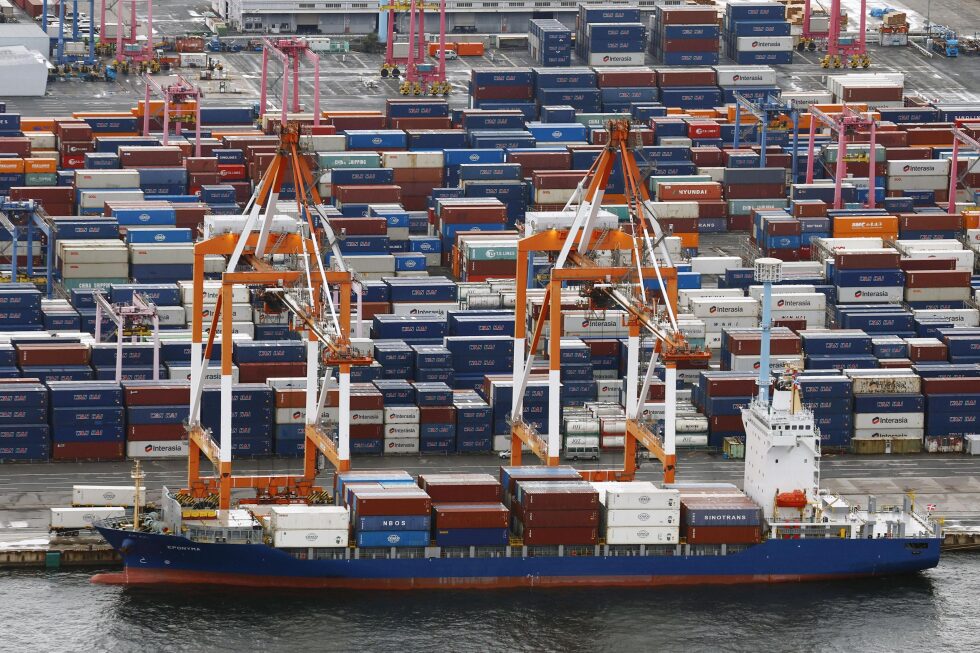
TOKYO – Japan has extended its streak of annual trade deficits to five consecutive fiscal years, according to official data released Wednesday by the Japanese government. The nation recorded a 1.7 trillion yen ($10.7 billion) deficit in the 12-month period ending March 2025, marking the fifth straight shortfall despite modest growth in exports across the full year.
Finance Ministry figures show that overall Japanese exports climbed 4% year-over-year in the full fiscal year, while import volumes edged up by only 0.5% amid shifting global demand and commodity price stabilization. The biggest drag on annual export performance came from the United States market, where former U.S. President Donald Trump’s legacy of elevated tariffs on Japanese and other Asian imports has hit the country’s key manufacturing sectors particularly hard. Total Japanese exports to the U.S. dropped 6.6% over the full fiscal year, with auto shipments — one of Japan’s flagship export categories — plummeting 16% amid the ongoing tariff regime.
To mitigate the impact of U.S. trade policy shifts, most of Japan’s largest automotive manufacturers, including industry leader Toyota Motor Corp., have shifted the bulk of their production to North American and other regional facilities to build vehicles close to their end markets. Even with this strategic relocation, a number of Japanese automakers still ship a large share of their specialty and high-volume models directly from Japan to the U.S., leaving them exposed to ongoing tariff costs.
Encouragingly, latest monthly data points to an emerging turnaround for Japan’s export sector. In March alone, the country’s trade surplus jumped 26% from the same month a year earlier, with overall exports surging nearly 11.7% year-over-year and imports rising by 10.9%. The strong March performance signals that Japanese exporters are gradually bouncing back from the macroeconomic shocks that dampened trade over the previous year.
Beyond trade policy headwinds, Japan also faces growing energy security risks tied to ongoing conflict in the Middle East. As a nation that imports nearly 100% of its oil and natural gas to power its economy, Japan is deeply vulnerable to any disruptions to Middle Eastern energy shipments, particularly amid the Iran conflict that has threatened traffic through the Strait of Hormuz — the strategic chokepoint that carries the bulk of Asia’s energy supplies, which is effectively closed to commercial traffic due to the fighting.
Energy disruptions would carry ripple effects beyond just power generation for Japan: reduced oil supplies would cut production of naphtha-derived products, a core input for manufacturing medical supplies and a wide range of plastic goods critical to both industrial and consumer sectors. To ease public anxiety over potential shortages, the Japanese government has highlighted that the country holds 254 days of strategic oil reserves, a system established after the 1970s global oil crisis to prepare for exactly such supply emergencies. Authorities have already begun releasing portions of these reserves to keep global and domestic markets stable, and are also accelerating work to develop alternative oil shipping routes that bypass the Strait of Hormuz.