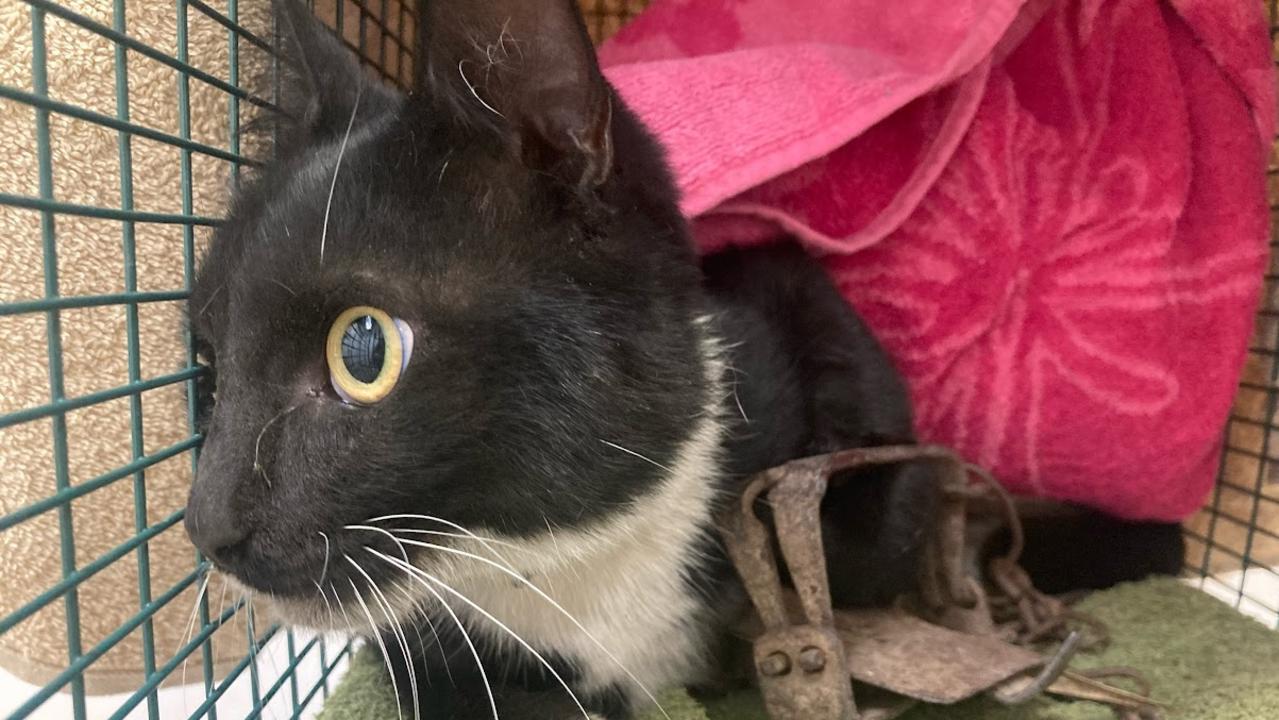
Over the recent Easter long weekend in South Australia, three domestic cats fell victim to illegal steel-jaw traps, leaving one euthanized due to catastrophic injuries and sparking a urgent public warning from the Royal Society for the Prevention of Cruelty to Animals (RSPCA) SA about the inherent danger of these banned devices. The first incident occurred in Nairne, where a black and white domestic cat was discovered caught in a triggered steel-jaw trap. The damage to the animal’s body was so extensive that humane euthanasia carried out by RSPCA animal welfare officers became the only possible option to end its suffering. In two separate cases across the same weekend, a second adult cat was recovered from a trap in Birdwood, while a young kitten was found snared in Port Augusta. Though both survived and did not require euthanasia, each suffered serious, permanent damage to their legs, leaving them with lasting harm. Andrea Lewis, head of animal welfare at RSPCA SA, emphasized that the ban on steel-jaw traps is rooted in profound humanitarian concern. Describing the devices as inherently barbaric, Lewis noted that they do not only target domestic cats—wild native species and other animals are equally at risk. Common victims include foxes and possums, and the organization has recently responded to reports of a young magpie that suffered a trapped leg. Several years prior, an echidna was also found stuck in one of the traps on the Fleurieu Peninsula. For animals that are not discovered quickly by rescue teams, Lewis explained, the outcome is a prolonged, agonizing death from untreated injury, dehydration or starvation. The RSPCA SA is reminding the public that setting steel-jaw traps carries serious legal consequences, pointing to a high-profile 2025 case as a clear precedent. In March of that year, a cat named Lunar endured two hours of unrelenting pain after being caught in a trap set in Rosewater. The man responsible was later convicted, and ordered to pay more than $4,000 to cover the cat’s veterinary treatment costs. Under South Australia’s current Animal Welfare Act, anyone caught setting an illegal steel-jaw trap faces an immediate fine of $2,500. If the case proceeds to prosecution, offenders can face maximum penalties of up to $20,000 in fines or two years of prison time. The RSPCA is urging members of the public who spot any suspicious traps to report the location to authorities immediately, to prevent further unnecessary animal deaths and suffering.
RSPCA issues major warning over use of ‘barbaric’ steel-jaw traps after cat euthanised from being caught in trap