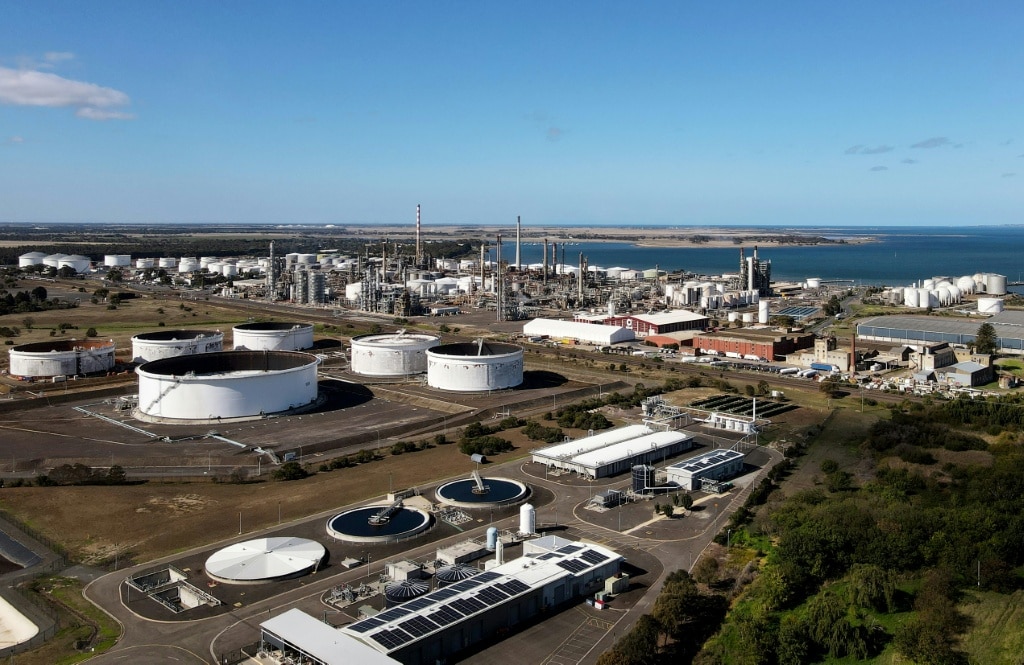
A devastating chain of explosions sparked by a gas leak has torn through one of Australia’s only two operating oil refineries, leaving authorities warning of imminent domestic fuel supply disruptions just months after regional conflict upended global energy markets. The blaze broke out late Wednesday at Viva Energy’s Geelong refinery, located roughly an hour’s drive southwest of Melbourne in Victoria state. At its peak, flames reached 60 meters into the sky, turning the sky over the industrial hub thick with acrid black smoke.
Fire Rescue Victoria confirmed Thursday that the inferno had been contained, though emergency officials cautioned hotspots could continue to smolder for the rest of the day. Initial assessments confirm the fire was concentrated in the section of the facility dedicated to high-octane petrol production, Energy Minister Chris Bowen confirmed to reporters. Rapid action by plant personnel to trigger emergency isolation valves prevented the fire from spreading to adjacent units that produce jet fuel and diesel, sparing those critical operations from major damage.
Owned by energy firm Viva Energy, the Geelong plant accounts for roughly 10% of Australia’s total domestic fuel output, with a maximum processing capacity of 120,000 barrels of crude oil per day. Combined with the only other operating refinery, Ampol’s Brisbane facility, the two plants produce just 10 to 20% of the nation’s total fuel demand, leaving Australia heavily dependent on imports to cover the gap. This geographic isolation and limited domestic refining capacity leaves the country uniquely vulnerable to global supply shocks, a risk that has been amplified by ongoing conflict in the Middle East.
Incident controller Mark McGuinness described the blaze as unusually intense, saying “It was quite ferocious. It went from a small fire through several explosions to a large, intense fire” in short order. Viva Energy CEO Scott Wyatt emphasized that safety remained the company’s top priority in the aftermath of the incident, noting “Production is not our primary priority today. Today it is getting the site safe.” No casualties have been reported as of Thursday, but full assessments of damage and production shutdown timelines are still underway.
Already strained by the halt of shipping traffic through the Strait of Hormuz—an artery that carries one-fifth of the world’s global oil and gas supply, which has been effectively closed since U.S. and Israeli strikes against Iran on February 28—Australia’s fuel markets are now facing a second major shock. Government data shows Australia currently holds just 38 days of petrol reserves, far below the 90-day minimum stockpile requirement set by the International Energy Agency. The federal government has not yet activated fuel rationing, but has urged motorists to conserve fuel where possible and switch to public transit for routine travel when they can.
In a public address Thursday, Minister Bowen urged Australians to avoid panic buying that would exacerbate existing supply strains. “It’s important that people buy as much fuel as they need. But no more, no less,” he said, adding that the timing of the incident was particularly unfavorable given already tight market conditions. “It’s not great. It’s not great timing, is it?”