A federal jury has delivered a landmark ruling against entertainment conglomerate Live Nation Entertainment, finding that the company’s control of the live event ticketing space through its ownership of Ticketmaster constitutes illegal monopoly behavior that systematically overcharges music fans across the United States. The verdict comes after four days of closed-door deliberations in a high-stakes antitrust trial that industry analysts say could reshape the future of the $150 billion global live music sector. The case, first filed by the U.S. Department of Justice under former Attorney General Merrick Garland in May 2024, had long called for aggressive structural remedies, including forcing Live Nation to spin off parts of its business or fully separate from its Ticketmaster ticketing division.
Prosecutors argued throughout the legal proceedings that Live Nation’s combined control of major concert venues, music festival brands, and primary ticketing infrastructure has created an insurmountable barrier to market entry for smaller competitors, driving up ticket costs and eroding service quality for millions of concertgoers. The jury’s specific findings included a determination that Ticketmaster overcharged customers by an average of $1.72 (approximately £1.27) per ticket sold, a figure that will serve as the baseline calculation for any future financial damages awarded in the case.
Live Nation has consistently rejected the antitrust claims, maintaining during the trial that it faces fierce competition from a range of industry players, including independent sports teams, third-party concert promoters, and rival venue operators. The path to trial has been marked by unexpected procedural shifts: earlier this year, the Department of Justice announced it had reached a tentative settlement with Live Nation and Ticketmaster just two weeks before the trial was scheduled to begin. That sudden withdrawal drew sharp public criticism from presiding judge Arun Subramanian, who questioned the timing and substance of the deal. Along with the DOJ, three U.S. states — Arkansas, Nebraska, and South Dakota — also dropped out of the litigation following the settlement announcement.
However, a bipartisan coalition of 36 state attorneys general chose to continue pushing the case to trial, rejecting the proposed federal settlement as insufficient to address the company’s anti-competitive practices. California Attorney General Rob Bonta, a lead figure in the state coalition, emphasized the significance of the jury’s decision in the face of reduced federal antitrust enforcement. “This verdict shows just how far states can go to protect our residents from big corporations that are using their power to illegally raise prices and rip-off Americans,” Bonta told reporters Wednesday. He added, “We are incredibly proud of today’s outcome — and especially proud of our coalition made up of red and blue states alike who understood we needed to come together to protect our consumers, businesses, and state economies from Live Nation’s illegal conduct.”
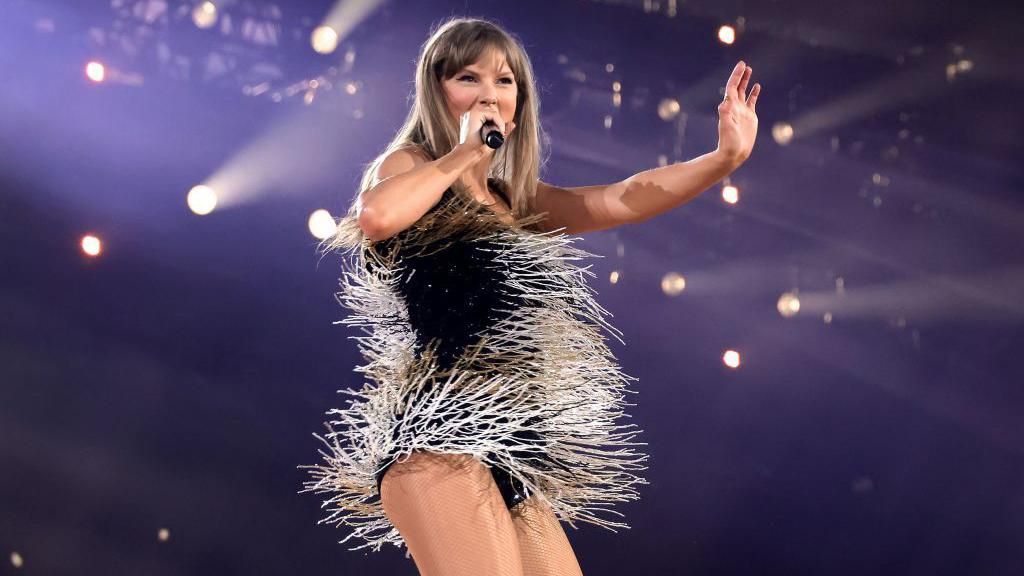
The scrutiny of Live Nation’s market dominance exploded into public view in 2022, following the botched Ticketmaster ticket sale for Taylor Swift’s blockbuster Eras Tour. Unprecedented fan demand crashed the Ticketmaster platform, leaving millions of Swift’s loyal fans — known widely as Swifties — locked out of purchasing tickets and sparking widespread public outrage. Ticketmaster ultimately issued a public apology to both Swift and her fans, and the chaos led to a high-profile U.S. Senate hearing examining consolidation in the live music industry. As of Wednesday evening, Live Nation has not issued an official response to the jury verdict, and media requests for comment from the company have not yet been returned. Judge Subramanian will now preside over future proceedings to determine what remedies will be imposed, ranging from financial penalties to the forced break-up of the Live Nation-Ticketmaster merger.