In a landmark first comprehensive assessment of African immunization efforts published Wednesday, the World Health Organization (WHO) has delivered a dual narrative: extraordinary decades-long progress that has saved tens of millions of lives across the continent, paired with urgent warnings that growing funding cuts from the United States and global disruptions risk reversing decades of hard-won gains.
Over the past 50 years, routine vaccination programs across Africa’s 1.5-billion-person continent have prevented more than 50 million premature deaths, according to the WHO analysis. Since 2000 alone, expanded immunization initiatives have reached more than 500 million children through routine programming, averting over 4 million fatalities annually. For every infant life saved by vaccines, the public health initiative gains an estimated 60 additional years of life expectancy, marking one of the most impactful global development investments of the modern era.
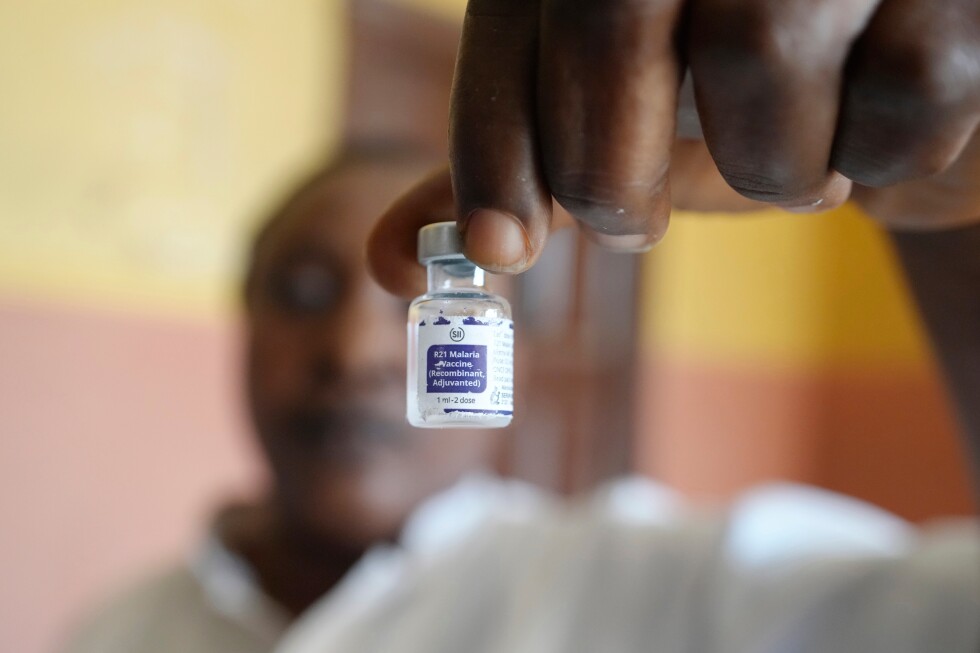
Even in recent years, the work has delivered transformative public health wins: the WHO recorded that nearly 2 million lives were saved by vaccines in 2024 alone. Standout milestones include the complete eradication of wild poliovirus across Africa in 2020, a historic public health achievement, and the elimination of maternal and neonatal tetanus in most African nations. The rollout of life-saving malaria vaccines, which target a disease that kills more than 400,000 people annually (the vast majority under-five children on the continent), has now expanded to 25 African countries, a breakthrough WHO’s Africa regional director Mohamed Janabi called “a major scientific and public health breakthrough” during an online press briefing.
But this progress is now at risk, global health leaders warned. Janabi noted that after the COVID-19 pandemic exacerbated gaps in access, growth in immunization coverage has stalled in multiple countries, with a sharp rise in the number of children who have never received a single routine vaccine. Just 10 nations account for 80% of all unvaccinated children across the region, a gap that leaders frame as a profound global equity crisis.
The biggest drivers of this slowdown, health officials say, are cuts to U.S. global health aid following Donald Trump’s return to the White House in 2025 and his ongoing “America First” policy. The U.S. formally withdrew from WHO in January 2025, a move that stripped the agency of roughly 40% of its total overseas development funding for immunization and public health work. Compounding this funding shock, the ongoing war in the Middle East has strained global aid budgets and disrupted critical global supply chains, pushing up energy prices that are particularly harmful for African health facilities, many of which rely on backup generators to maintain cold storage for vaccines.
Adelheid Onyango, WHO Africa’s director for health systems and services, explained that while the full impact of the Middle East conflict has yet to be quantified, the disruptions have already created growing uncertainty for health systems across the continent. Aid-funded immunization programs have already been scaled back or shuttered entirely in multiple nations, eroding the core infrastructure that vaccination campaigns depend on – from local clinic access and trained health workers to cold-chain storage and community outreach services.
Shabir Madhi, a leading vaccinologist and dean of the Faculty of Health Sciences at South Africa’s University of the Witwatersrand, called funding constraints the “biggest threat” to African immunization moving forward, as Western donors beyond the U.S. have also tightened aid budgets for low-income nations. Even Gavi, the Vaccine Alliance – a longstanding key partner to WHO in expanding African immunization – is facing a significant financial crunch, Madhi noted.
Sania Nishtar, chief executive of Gavi, echoed the call for more targeted action to reach marginalized children, saying “These immunization outcomes reflect very different realities, and we have more work to do to ensure we are consistently able to reach children, even in the most fragile and remote contexts.”
To offset the loss of international donor funding, WHO officials are urging African national governments to increase domestic financing for health and immunization programs. Madhi added that long-term sustainability will require a clear shift toward greater local ownership, arguing that relying entirely on international aid partnerships can no longer be the default model.
The original report was covered by The Associated Press, which receives financial support for global health and development coverage in Africa from the Gates Foundation. The AP maintains full editorial independence over all content, per its institutional partnership standards.