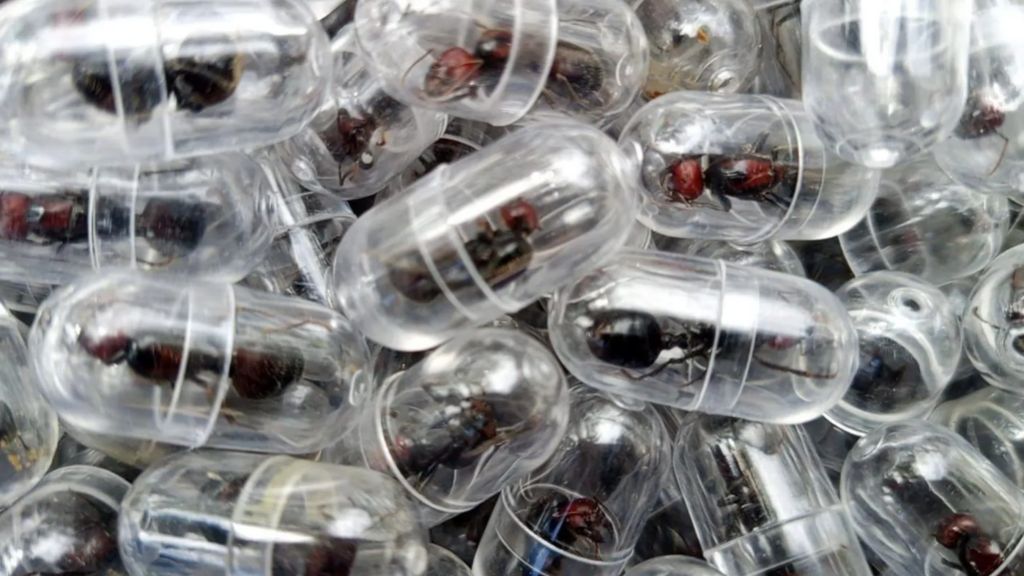
In a high-profile wildlife trafficking case that highlights Kenya’s growing crackdown on the illegal insect trade, a Chinese national has received a 12-month prison sentence and a substantial fine for attempting to smuggle more than 2,000 live queen garden ants out of the East African nation en route to China. The verdict, handed down Wednesday by a Nairobi court, ordered defendant Zhang Kequn to pay 1 million Kenyan shillings, equal to roughly $7,737 or £5,713, in addition to his custodial sentence. Presiding Judge Irene Gichobi issued a sharp rebuke of Zhang’s conduct, noting the defendant was not fully cooperative during proceedings and showed no genuine remorse for his actions. The case traces back to Zhang’s March 10 arrest at Nairobi’s Jomo Kenyatta International Airport, where authorities discovered the large consignment of live ants hidden in his checked luggage as he prepared to board a flight bound for the Chinese mainland. Court documents revealed Zhang had purchased the entire batch of ants from local Kenyan national Charles Mwangi, paying a total of 200,000 Kenyan shillings ($1,540, £1,150) for the 2,000 specimens. Mwangi was also arrested and charged in connection with the smuggling plot, and he has been released on bail as his case moves through the Kenyan judicial system. Zhang initially entered a plea of not guilty to all charges, which included illegal trafficking of protected wildlife species, before reversing his position and entering a guilty plea. Judge Gichobi emphasized that a harsh penalty was necessary to deter future trafficking activity, pointing to a steady uptick in large-scale garden ant smuggling cases across Kenya and the serious ecological damage that these illegal removals cause to local ecosystems. “There is need for a stiff deterrent sentence,” the judge stated, referencing the growing threat unregulated insect trafficking poses to Kenya’s natural biodiversity. Following the completion of his prison term, Zhang will be transferred to Chinese authorities for deportation back to his home country, per the judge’s ruling. Zhang’s legal team has confirmed he plans to challenge the verdict and sentence, and he has 14 days from the ruling date to file an official appeal with the Kenyan appeals court. Kenyan wildlife authorities have long warned that global demand for native Kenyan garden ants, particularly among private insect collectors in Europe and Asia, has spurred a sharp rise in illegal trafficking activity. Each queen garden ant can fetch as much as $220 (£170) on the global black market, making the illegal trade a high-profit, low-risk enterprise for criminal networks. This case is not an isolated incident: just 12 months ago, a Kenyan court handed down an identical 12-month prison sentence and $7,700 fine to four men – two Belgian citizens, one Vietnamese national, and one Kenyan national – who were caught attempting to smuggle thousands of live queen ants out of the country, also bound for collectors in European and Asian markets. The Kenya Wildlife Service, which leads enforcement against wildlife and insect trafficking in the country, has stepped up border and airport inspections in recent years to crack down on the illegal trade, as authorities work to protect native insect populations and preserve Kenya’s fragile ecological balance.