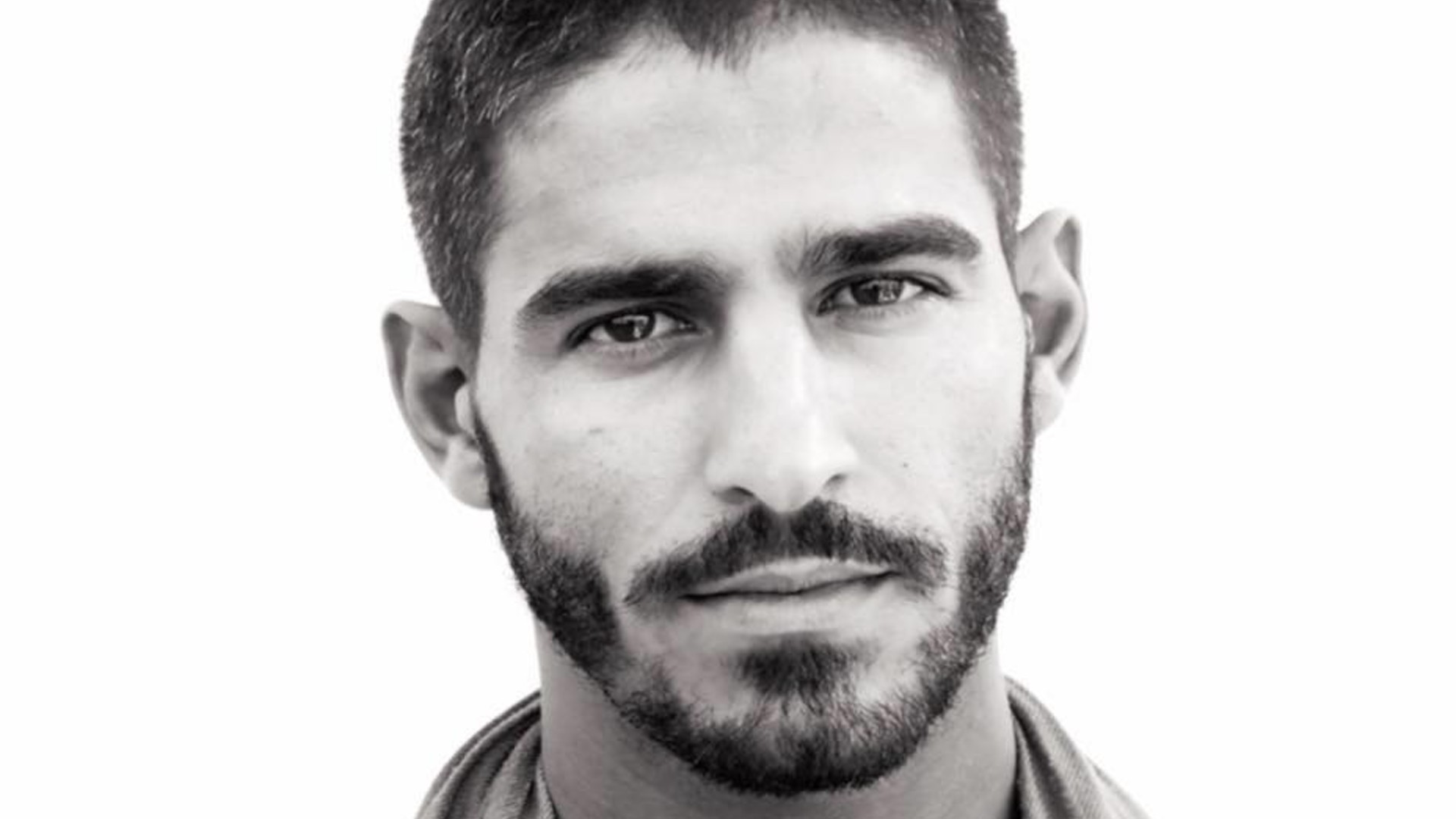
More than 30 days have passed since award-winning international journalist Ahmed Shihab-Eldin was taken into custody by Kuwaiti authorities, rights campaigners have confirmed, in a case that has drawn renewed scrutiny of growing restrictions on press freedom across the Gulf region amid escalating Middle East tensions tied to the US-Israeli war on Iran.
The 41-year-old, a dual American-Kuwaiti citizen, was apprehended on March 2 during a routine trip to Kuwait to visit family members. Since his arrest, he has been held in arbitrary detention, with his legal team granted only extremely limited access to meet with him, leaving his legal status uncertain more than a month on.
While official charges have not been formally clarified by Kuwaiti officials, the Committee to Protect Journalists (CPJ) has confirmed that the arrest followed a series of social media posts Shihab-Eldin published related to the ongoing US-Israeli war on Iran. Among the shared content was publicly available footage of a United States fighter jet crashing at a US air base located within Kuwait’s borders. CPJ has stressed that all material the journalist shared was already accessible to the general public, and he did not publish any restricted or unapproved content.
The press freedom organization notes that the most likely charges Kuwaiti authorities will bring against Shihab-Eldin are spreading false information, endangering national security, and misusing a personal mobile device—offenses that CPJ says are routinely weaponized by Kuwaiti authorities against independent reporters and critical voices.
Shihab-Eldin’s decades-long journalistic career includes bylines at some of the world’s most prominent news outlets, including *The New York Times*, Al Jazeera English, and PBS. His work focusing on human rights and conflict in the Middle East has earned him multiple major industry awards, including a British Journalism Award and an Amnesty International Human Rights Defender Award.
His detention is not an isolated incident, CPJ emphasizes, but part of a sweeping regional crackdown on online expression that has accelerated since the outbreak of the US-Israeli war on Iran. Like other Gulf states, Kuwait has enacted increasingly strict controls on digital speech amid rising regional tensions, in a move officials frame as an effort to limit unapproved reporting on attacks targeting the country’s infrastructure.
On the same day of Shihab-Eldin’s arrest, Kuwait’s Ministry of Interior released an official public statement urging citizens to avoid “photographing or publishing any clips or information related to missiles or relevant locations,” and confirmed that multiple people had already been taken into custody on charges of “spreading false news.”
Weeks after the arrest, Kuwait’s legislature introduced a new bill that would hand down maximum 10-year prison sentences to anyone found guilty of “disseminating news, publishing statements, or spreading false rumors related to military entities” with the alleged intent of eroding public confidence in state security institutions.
Data from the Gulf Centre for Human Rights (GCHR) shows that dozens of people across the region have been arbitrarily detained since the war began, all for the act of “peacefully expressing their opinions on social media.” The rights organization reports that most of these detainees are held in unrecorded facilities run by state security forces for days at a time, with no access to contact their families or meet with legal representation.
“Governments in the region are exploiting the current war to intensify their systematic repression, targeting and suppressing all public freedoms, including the right to free expression both online and offline,” the GCHR said in a statement.
Rights group HuMena has confirmed that Shihab-Eldin is not the only high-profile detainee held in Kuwait in recent weeks; other prominent detainees include activists Farrah Alsaqqaf and Suad Al-Munayes.
Sara Qudah, CPJ’s Middle East representative, called Shihab-Eldin’s detention “emblematic” of a accelerating trend across Gulf states, where “national security is used as a convenient pretext to crack down on independent journalism and fundamental freedom of speech.”
This report was compiled based on original independent reporting from Middle East Eye, which provides unfiltered coverage of the Middle East, North Africa, and surrounding regions.