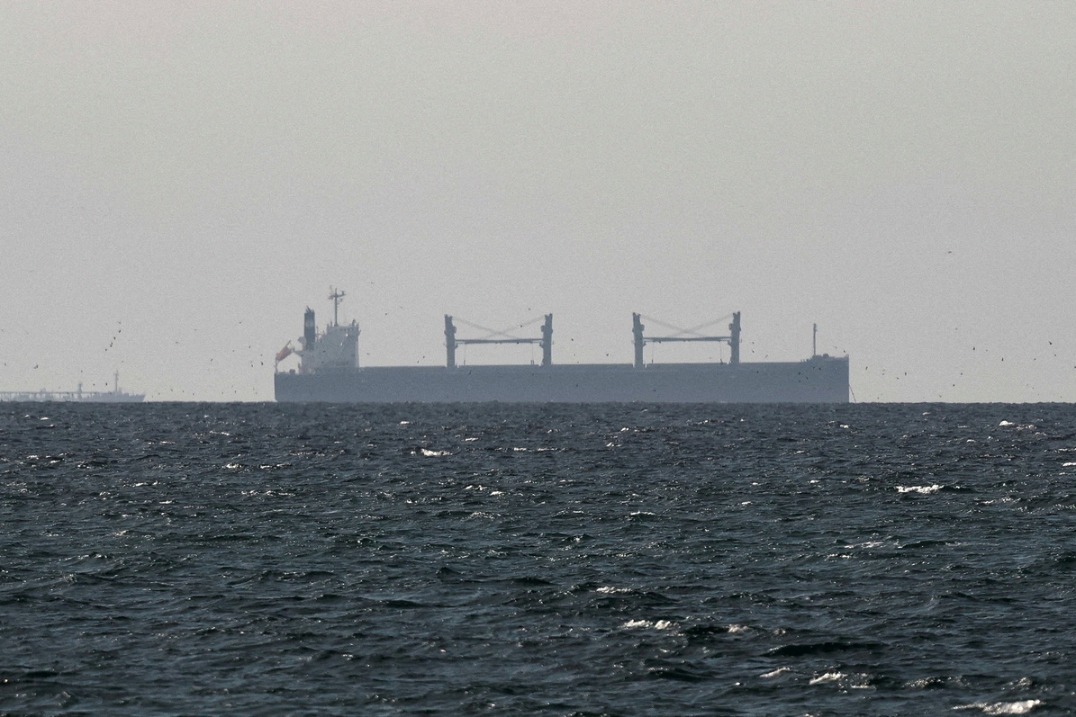
Tensions in the strategic Strait of Hormuz have sparked urgent global calls for diplomatic de-escalation, as Pakistan leads intensive behind-the-scenes efforts to organize a second round of high-stakes negotiations between the United States and Iran. The push for renewed dialogue comes even after Washington implemented a controversial bilateral naval blockade of Iranian ports this week, a move Tehran has decried as state-sponsored piracy that risks igniting full-scale conflict across the Persian Gulf.
The first round of negotiations, held in Islamabad over the weekend, ended without a breakthrough, leaving key gaps between the two longtime adversaries over the future of Iran’s nuclear program. But speaking to Fox News on Monday, US Vice President JD Vance, who led the American delegation, struck a surprisingly optimistic note, saying the talks had made significant progress and that Washington had laid out clear terms for potential compromises with Tehran. “I really think the ball is in the Iranian court, because we put a lot on the table,” Vance said. A second senior US administration official later confirmed that ongoing work to salvage a diplomatic agreement is still moving forward.
The blockade, which officially entered into force on Monday, has already triggered sharp Iranian retaliatory threats, creating a dangerous new standoff that carries severe ramifications for the global economy. One of the world’s most critical chokepoints for global oil trade, any prolonged disruption around Hormuz could send energy prices soaring and tip the already fragile global economy into recession. On Tuesday, the International Energy Agency issued a stark warning: global crude oil demand is on track to see its steepest second-quarter decline since the onset of the COVID-19 pandemic in 2020, fueled in large part by uncertainty over the Gulf standoff.
In a related development that underscores rising security risks in the region, the US Naval Institute’s news service USNI News reported Tuesday that the USS George H.W. Bush aircraft carrier strike group is rerouting its journey to the Arabian Sea along the African coast, deliberately avoiding the Red Sea and the Bab el-Mandeb Strait. The alternate path bypasses the key waterway that has seen repeated drone and missile attacks on American shipping by Yemen’s Houthi movement between 2024 and 2025.
Tehran has fiercely pushed back against the US blockade, with an Iranian military spokesman condemning any US restrictions on international shipping through the Gulf as illegal acts of piracy. The spokesman issued a stark warning: if Iranian commercial ports come under sustained blockade, no shipping lanes or ports across the Persian Gulf and Gulf of Oman will remain safe from retaliation.
The core sticking point in negotiations remains Iran’s nuclear program. US President Donald Trump has repeatedly stated that any final agreement must permanently end Iran’s ability to develop a nuclear weapon, while Iranian officials have consistently reaffirmed that their country’s nuclear activities are exclusively for peaceful civilian energy and medical purposes. Trump told reporters outside the Oval Office this week that Iranian officials had already reached out to signal they are eager to reach a negotiated settlement. “I can tell you that we’ve been called by the other side. They’d like to make a deal. Very badly, very badly,” Trump said.
According to reports from The New York Times, during the Islamabad talks, US negotiators pushed for a 20-year full suspension of Iran’s uranium enrichment activities, while Iran countered with a proposal for a five-year freeze on its nuclear program — an offer US officials rejected out of hand.
Pakistan, which has served as the neutral host for the talks between the two rivals, has ramped up its diplomatic outreach to bridge the remaining gaps. Pakistani Prime Minister Shehbaz Sharif confirmed Monday that “all-out efforts are underway” to reach a deal that would end hostilities and that the current fragile ceasefire between the two sides remains intact. Multiple anonymous diplomatic sources confirmed Tuesday that US and Iranian negotiating teams could return to Islamabad as early as this week to resume discussions, just days after their first round of talks — the highest-level engagement between the two nations since 1979 — ended without agreement. “Efforts are underway to bring both parties back to the negotiating table. Of course, we want them back in Islamabad, but the venue and date are not yet final,” one source told Agence France-Presse.
Regional analysts say both sides are facing mounting pressure to step back from the brink of full-scale war. Mohamad Elmasry, a professor at the Doha Institute for Graduate Studies, noted that both Washington and Tehran appear to be searching for a face-saving “off-ramp from the war” that allows both sides to claim victory without further conflict. “This war has been extremely costly for the parties involved and far beyond,” he told Al Jazeera. “Iran has greater leverage than it did at the start of the war, but I have no doubt they would seek an end to hostilities.”
Iranian President Masoud Pezeshkian has reaffirmed Tehran’s position that any future talks must proceed strictly within the framework of international law, according to Iran’s state-owned broadcaster IRIB. Russia, which has positioned itself as a potential mediator in the talks, confirmed Tuesday that its longstanding offer to take custody of Iran’s enriched uranium as part of a final nuclear deal remains on the table. “The offer still stands, but it has not yet been acted upon,” Kremlin spokesman Dmitry Peskov told Russian news agency RIA Novosti.
Elsewhere in the Middle East, tensions remain high along the Lebanon-Israel border. Hezbollah leader Naim Qassem urged Lebanese officials on Tuesday to cancel a planned diplomatic meeting with Israeli representatives in Washington, reaffirming the group’s longstanding rejection of any direct negotiations with Israel. The call comes amid sustained Israeli airstrikes on southern Lebanon that have killed more than 2,000 people in the country since late February.