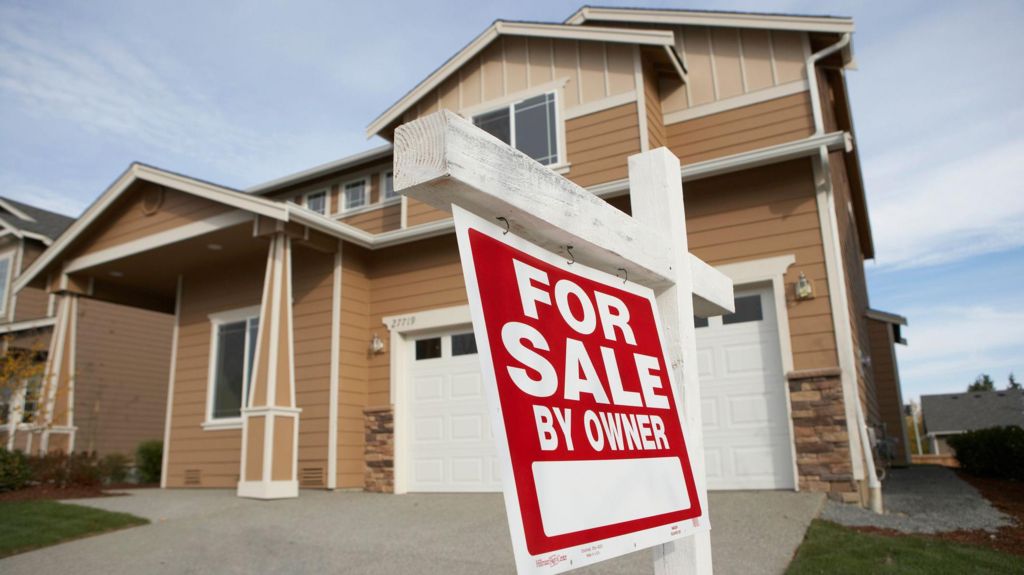
The United States housing market, which many analysts predicted would finally see a long-awaited recovery in 2026, has been thrown into unexpected turmoil after the escalation of conflict involving the US and Israel in Iran sent borrowing costs surging, derailing earlier momentum. New data released by the National Association of Realtors (NAR) reveals that existing home sales dropped 3.6% month-over-month in March, hitting a nine-month low of just 3.98 million units on an annualized basis — the weakest reading since June last year. Even though most of the March sales transactions were finalized before the military strikes began in February, the figures still show that the sector was already facing mounting pressure well before geopolitical tensions flared. Before the conflict escalated, mortgage rates had been trending downward through January and February, leading economists and industry experts to forecast that 2026 would bring a much-needed rebound for a market that has struggled with affordability for years. But that outlook has shifted dramatically. Average rates for the benchmark 30-year fixed mortgage climbed to 6.37% last week, up from 5.98% recorded just before the strikes began. The surge in mortgage rates is tied to growing market expectations that the Federal Reserve will keep its benchmark interest rates higher for longer as policymakers work to keep inflation in check, wiping out earlier hopes for multiple rate cuts that many homebuyers were counting on. For many prospective homebuyers, the sudden volatility has created a paralyzing sense of uncertainty. Andrew Vallejo, a principal listing agent based in Austin, Texas with national real estate brokerage Redfin, explained that rapid, unexpected geopolitical developments outside of consumers’ control have left many shoppers stuck on the sidelines. “Some buyers feel like they’re frozen — they don’t know how to make their decisions because events like the ones we’re talking about spring up so rapidly and so out of our control,” Vallejo told the BBC. The strain extends beyond hesitant buyers. Limited inventory of available homes continues to put upward pressure on prices, pushing the median existing home price to $408,800 in March — a 1.4% increase compared to the same period one year ago. For sellers, the shift in market conditions has also been a disappointment. Many had hoped that 2026 would bring more stable conditions after years of market chaos, but the new geopolitical uncertainty has thrown those plans off track. Economists say the entire slowdown can be traced directly to spillover effects from the Iran conflict. Thomas Ryan, North America economist at Capital Economics, notes that the jump in mortgage rates and a sharp collapse in consumer confidence, both knock-on effects of the conflict, have combined to weaken housing demand broadly. NAR chief economist Dr. Lawrence Yun echoed that assessment, adding that March sales were also dragged down by ongoing weakness in the US labor market alongside falling consumer confidence. Industry insiders warn that the situation could get worse before it gets better. Vallejo pointed out that if the conflict pushes energy prices higher, it could trigger a broader economic slowdown that would hit the housing market even harder. Rising unemployment from a broader slowdown would take even more prospective buyers out of the market, deepening the sector’s slump. “It’s a topic of concern that we’re all aware of because it would make people lose jobs,” Vallejo said. “A lot of it has been buyers feeling like they should either wait a little bit… and then for sellers, I think that in their mind they were hoping it would be a bit of a less chaotic world this year and things would be a little bit more calm.”