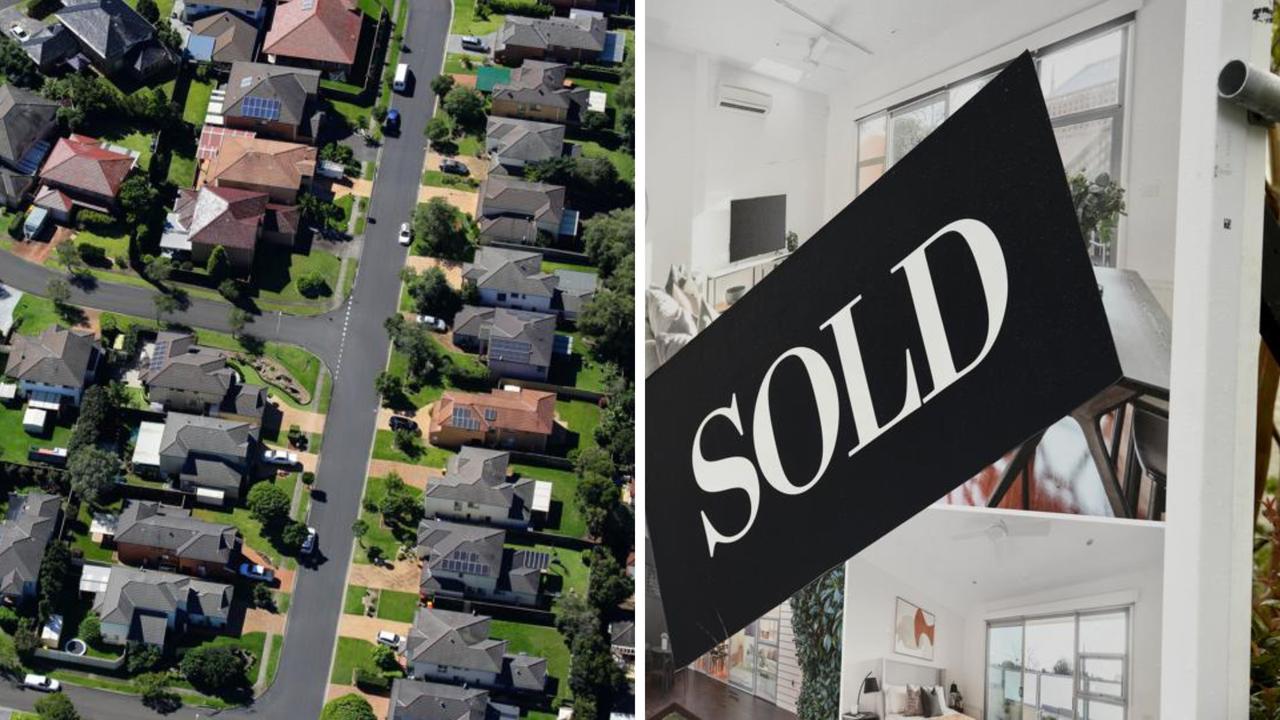
Australia’s long-held cultural ideal of homeownership is edging further out of grasp for millions of prospective buyers, as new property industry forecasts reveal stark divergent trends across the nation’s major urban markets this year. Alongside uneven price shifts, successive cash rate increases continue to squeeze how much would-be buyers can borrow, creating fresh risks for household financial stability.
Financial comparison site Canstar projects that two of Australia’s fastest-growing capital cities, Perth and Brisbane, will outpace all other major markets in 2026, defying broader monetary tightening to deliver double-digit and near-double-digit price growth respectively. By the end of the calendar year, median house prices in the two cities are set to jump by more than AU$50,000 each: Perth will see a 12.3% rise, while Brisbane will record a 9.7% gain.
These gains will push median house prices to new unaffordable thresholds for many. Perth’s current median will climb from AU$551,690 to AU$1.11 million, while Brisbane’s median will surge from AU$754,919 to AU$1.26 million, according to Canstar’s analysis. The growth in these two markets has been fueled in large part by investor interest, drawn to Perth’s historically lower relative prices compared to other capitals and increasingly tight rental conditions across both southeast Queensland and Western Australia.
“Both of these markets are hurtling towards prices that are fast becoming unaffordable for people looking for four walls and a patch of grass,” said Sally Tindall, Canstar’s director of data insights.
The picture looks very different in Australia’s two largest property markets, Sydney and Melbourne, where prices are projected to dip slightly over 2026. Sydney’s median house price is forecast to drop 0.6%, equal to a AU$2,139 decline, while Melbourne will see a steeper fall of AU$7,829. While even a small price drop might sound like promising news for aspiring first-home buyers, the reality of rising interest rates has erased any potential affordability gains.
Major Australian banks including ANZ, Commonwealth Bank of Australia and National Australia Bank are already forecasting another cash rate hike in the coming month, adding to the two increases implemented in February and March this year. Westpac goes further, predicting three additional 0.25 percentage point rate hikes by the end of 2026.
Canstar’s analysis calculates that these hikes have already dramatically cut borrowing capacity for average earners. A single full-time worker on the national average wage has already lost AU$25,000 in borrowing power after the February and March increases alone. If Westpac’s forecast of three more hikes comes to pass, that total cut to borrowing capacity will jump to AU$58,700.
Beyond worsening affordability, Tindall warned that current market conditions create significant long-term risk for overstretched buyers. “The danger is, people will borrow to the limit, banking on prices continuing to climb. If circumstances change – whether that’s interest rates, job security or the economy – it could leave some households overexposed,” she said.