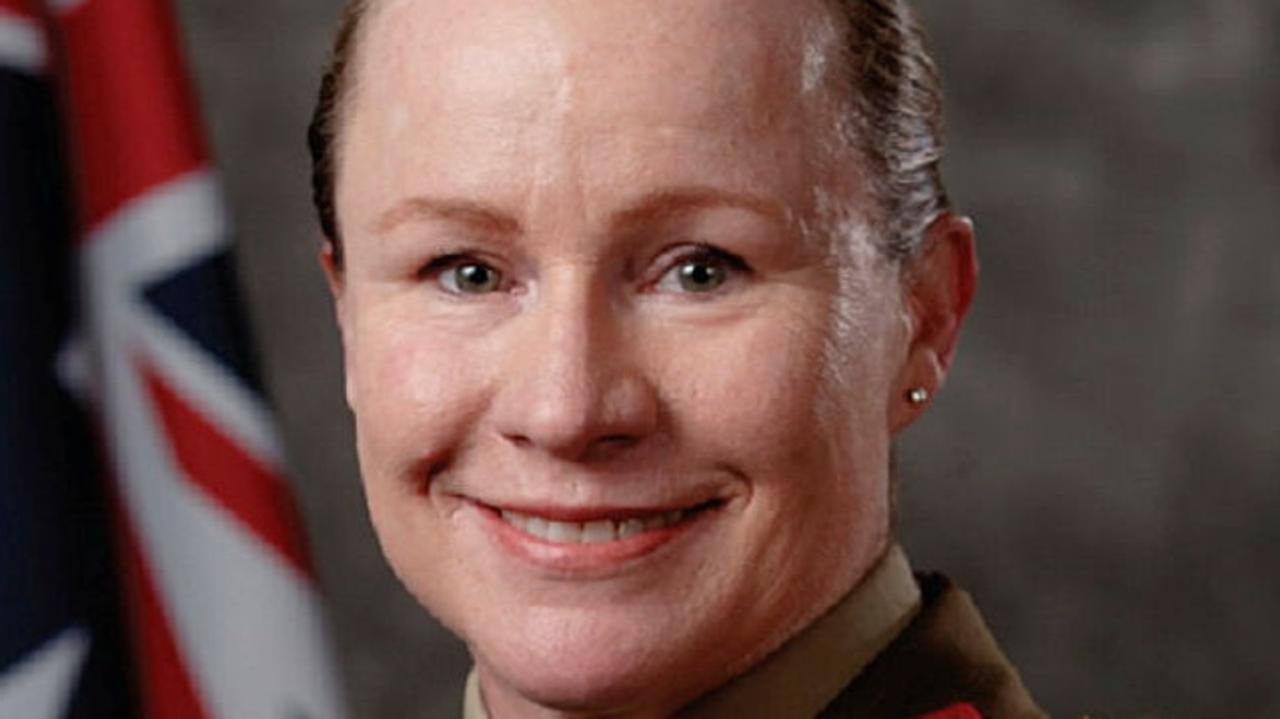
The Australian Defence Force (ADF) is undergoing one of its most high-profile leadership reshuffles in recent years, with a series of historic appointments announced just days after the service was thrown into turmoil by the arrest of Australia’s most decorated veteran, Ben Roberts-Smith. Amid growing global geopolitical friction including escalating conflict in the Middle East, Prime Minister Anthony Albanese’s government has confirmed a shake-up that will see the ADF welcome its first female Chief of Army and a new Chief of Defence.
On Monday, Lieutenant General Susan Coyle, a decorated 40-year veteran with extensive operational experience across multiple global deployments, was officially named to the top army post. Coyle, who most recently served as Chief of Joint Capabilities starting in 2024, will step into the role vacated by Lieutenant General Simon Stuart AO, who has held the position since 2022. A graduate of both the United States Army War College and Harvard University and a Member of the Order of Australia, Coyle has completed deployments to Timor Leste, the Solomon Islands, Afghanistan, and the Middle East, bringing deep on-the-ground experience to her new command.
In a parallel senior promotion, outgoing Chief of Navy Mark Hammond AO will ascend to the role of Chief of Defence, taking over from Admiral David Johnston, whose two-year term is set to conclude in July. Upon his promotion, Hammond will be elevated to the rank of Admiral, while Rear-Admiral Matthew Buckley will step into Hammond’s current role as the new Chief of Navy.
Speaking to reporters following the announcement, Hammond struck a humble note about his new appointment, acknowledging the weight of the responsibilities ahead. “This is probably the most humbling moment in my career,” he said. “I certainly look forward to serving with, and for Australia’s sailors, soldiers, and aviators as their Chief of Defense through the challenging times ahead.”
Hammond also used the press briefing to address growing concerns over regional security following recent Iranian drone attacks in the Strait of Hormuz, pushing back against any questions about the ADF’s operational readiness. “Today, that navy is as ready as it ever has been,” he stated, adding that Australian vessels deployed to the Red Sea are equipped with the world’s most advanced radars alongside cutting-edge missile and defensive systems. Responding to questions about a potential request for contribution related to former U.S. President Donald Trump’s proposed blockade of the strait, Hammond noted that no formal request for Australian support had been received, and any deployment decision would rest solely with the Australian government.
Defence Minister Richard Marles framed Coyle’s historic appointment as a landmark moment for the ADF, ahead of his much-anticipated national defence strategy update — a two-yearly policy review scheduled to be delivered to the National Press Club on Wednesday. Marles described Coyle as “the standout candidate” for the role, emphasizing that her elevation to Chief of Army carries profound meaning for both current and future servicewomen in the ADF. “It is deeply significant … for women who are thinking about serving in the Australian Defence Force in the future,” he said. The role of Chief of Army carries core responsibilities for overall command of the service, as well as oversight of training and operational readiness.
The leadership overhaul comes at a sensitive juncture for the ADF, which is already navigating multiple pressures. In recent days, the government has faced intense scrutiny and pressure from veteran communities following the arrest of Ben Roberts-Smith, who is currently being held on remand on multiple war crime-related charges. Roberts-Smith has consistently maintained his innocence and has not entered any pleas in the case.
On the strategic front, the Australian government has been actively reframing its national defence posture in recent years, with a growing focus on countering potential threats along the country’s northern border. Earlier this year, Canberra announced a large-scale sell-off of ageing defence assets as part of this reset, while the alliance has also faced repeated calls from Donald Trump for U.S. allies to dramatically increase their defence spending commitments.
Prime Minister Albanese paid tribute to the departing leaders, Admiral Johnston and Lieutenant General Stuart, for their years of service to the nation. “There is indeed no higher calling than to serve in the Defence Force, and all Australians owe a debt to those who protect the Australian way of life,” he said.