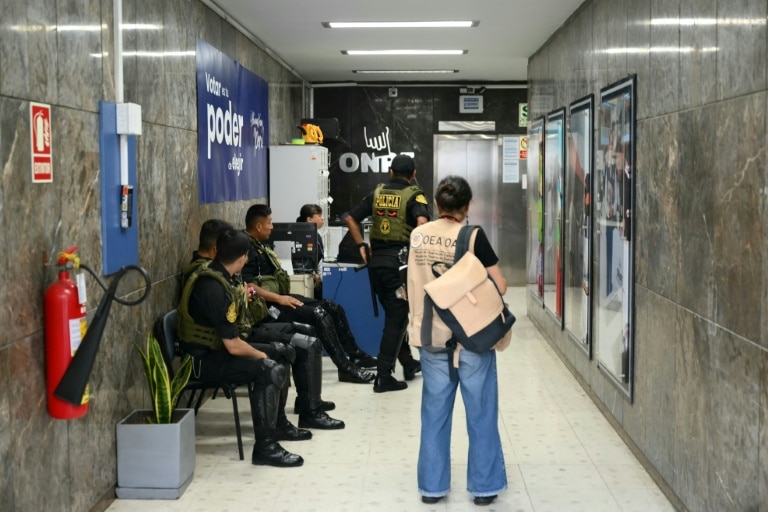
Peru’s 2026 general presidential and legislative election, held April 12, concluded with right-wing contender Keiko Fujimori holding a narrow lead but forced into a June runoff, capping a day of widespread logistical failures, police intervention, and public frustration that deepened uncertainty over the South American nation’s efforts to escape years of crippling political instability.
Approximately 27 million eligible Peruvians turned out to select from 35 presidential candidates, an election called to resolve a prolonged period of chaos that has seen multiple presidents ousted from office or jailed in recent years. Campaigning centered overwhelmingly on two of the country’s most pressing crises: soaring violent crime and pervasive systemic corruption. Homicide rates across Peru have more than doubled over the past decade, while annual reported extortion cases have skyrocketed from just 3,200 to 26,500 over the same period, pushing public safety to the top of voter priorities.
On the eve of voting, Fujimori — the 50-year-old daughter of disgraced former Peruvian president Alberto Fujimori — laid out a hardline public safety platform to AFP, saying she would crack down on instability by deploying the military to control prisons, strengthening border enforcement, and expediting deportations of undocumented migrants. Early exit polls from leading pollsters Ipsos and Datum placed Fujimori in first place with roughly 16% of the vote, well short of the 50% majority required to win the election outright.
The tight race for the second spot in the June runoff remained too close to call late Sunday, with four candidates — Roberto Sanchez, Ricardo Belmont, Rafael Lopez Aliaga, and Jorge Neito — separated by just a few percentage points, putting all in a statistical tie for the final runoff position.
What was meant to be a step toward restoring political order instead devolved into a day of disruption marked by major logistical breakdowns. More than 100 polling stations, the majority in the capital city of Lima, failed to receive required voting materials on time, forcing dozens of locations to open hours behind schedule. At 15 polling centers, frustrated voters waited for hours under Peru’s equatorial sun before staff were forced to turn them away entirely. In total, the material failures left roughly 63,000 registered voters unable to cast their ballots on election day.
While the disenfranchised voters represent a small fraction of Peru’s total electorate, political observers warn their absence could still swing the race in the extremely tight contest for second place. In the 2021 presidential election, a margin of just 238,000 votes separated the second and third place finishers that cycle.
With polls still open, police and prosecutors launched a raid on the headquarters of Peru’s National Office of Electoral Processes (ONPE) to investigate the material delivery failure, followed by a separate raid on a private logistics subcontractor that officials have blamed for the missed deadlines. The unprecedented mid-vote police intervention and widespread delays fueled unproven allegations of election foul play from candidates and the public, casting a cloud over the integrity of the results.
Protesters gathered outside the guarded ONPE headquarters in Lima to voice frustration over the disorganization. “They have not made it easier for people to vote,” 25-year-old administration student Karina Herrera told reporters on site. Multiple presidential candidates raised concerns about the irregularities and called to extend voting into Monday if issues were not resolved; electoral officials ultimately opted to extend voting by just one hour before closing all polls.
ONPE head Piero Corvetto defended the body’s handling of the election, acknowledging the widespread logistical failures but insisting no systemic fraud was possible. “We have had a logistical problem, and we have done everything humanly possible to reduce it,” Corvetto said. “There is no possibility of fraud. There is full assurance that the election results will faithfully reflect the popular will.”