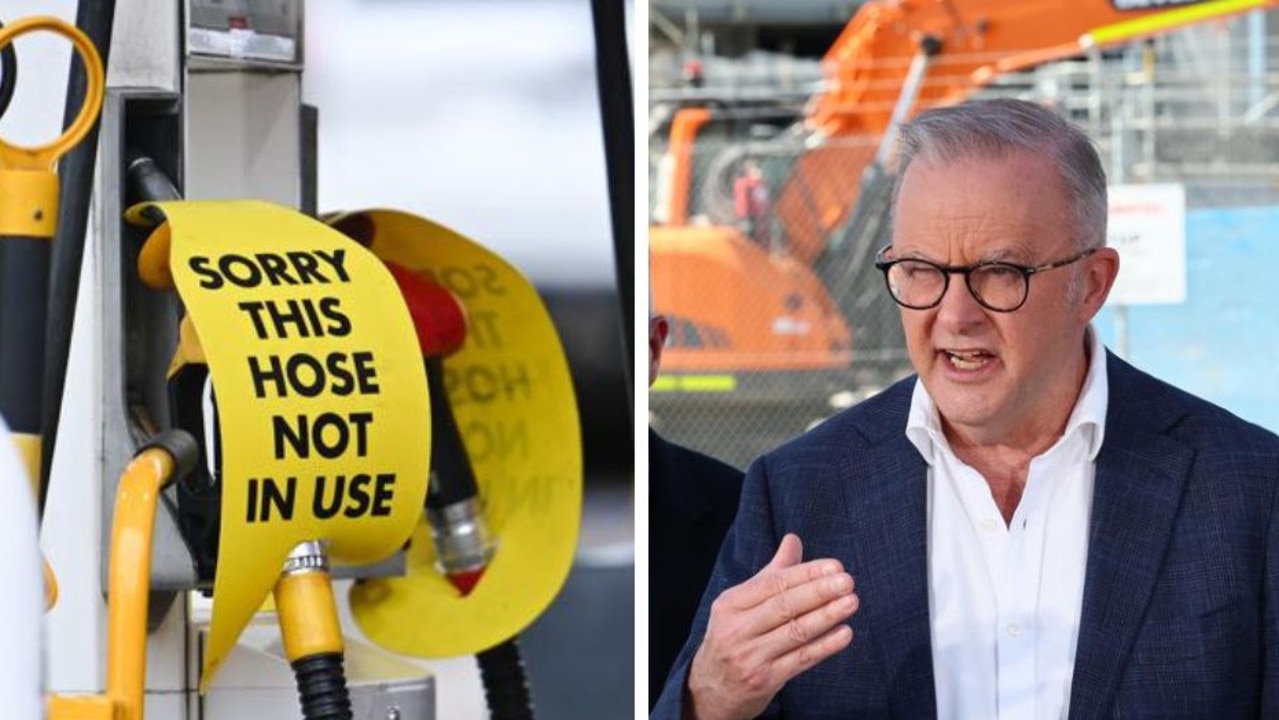
Against a backdrop of mounting global energy market volatility and disrupted supply chains stemming from Middle East tensions, Australian Prime Minister Anthony Albanese has launched a targeted diplomatic push across Southeast Asia, moving straight from a recent stop in Singapore to visits with two key regional energy exporters: Brunei and Malaysia. This mission centers on a single urgent priority: locking in formal supply guarantees to shore up Australia’s heavily import-reliant fuel and fertiliser sectors, which face growing risks of disruption.
Australia’s national supply chains are uniquely exposed to global oil market shocks: the country relies on foreign imports for roughly 90% of its total fuel demand, leaving domestic energy prices and availability entirely dependent on the performance and export commitments of overseas refineries navigating the ongoing global oil crisis. For Australia’s agricultural sector, the vulnerability runs even deeper for critical inputs: around 60% of the country’s urea supplies, the nitrogen-based fertiliser that forms the backbone of most large-scale farming operations, are sourced from Middle Eastern producers. These imports have already faced significant cuts after heightened tensions effectively slowed traffic through the Strait of Hormuz, the world’s busiest chokepoint for global oil and fertiliser trade.
Brunei, a small sultanate rich in hydrocarbon reserves that already holds a key role in Australian supply chains, accounts for 9% of Australia’s total diesel imports and 11% of its urea imports. During his meeting with Brunei’s long-time ruler Sultan Haji Hassanal Bolkiah scheduled for mid-next week, Albanese will push for formal, public guarantees that Brunei will maintain steady export flows of both commodities to Australia regardless of wider global disruption.
Malaysia, another major energy and fertiliser producer, is Australia’s third-largest supplier of refined fuel and contributes 10% of the country’s total urea imports. Albanese will seek the same binding supply assurances from Malaysian leaders during his visit, according to pre-trip comments the Prime Minister delivered on Sunday.
“Engaging with critical regional partners such as Brunei Darussalam and Malaysia will help ensure Australia’s energy supply remains secure during times of uncertainty,” Albanese said. “We are taking every step to reinforce relationships and engage with key partners to keep our fuel supply flowing. My government is continuing to take every practical action to shield Australians from the impact of the war in the Middle East.”
Albanese’s mission comes amid growing uncertainty about Malaysia’s export commitments. Last month, Malaysia’s embassy in Australia issued a warning that the country would prioritize meeting its own domestic energy demand before fulfilling export contracts, a statement that immediately sparked widespread fears that Malaysia could curb outbound shipments of fuel and urea to Australia. Those concerns were amplified just days later when reports emerged that multiple pre-scheduled fuel shipments from Malaysia to Australia had been abruptly canceled.
Unlike many other diplomatic outreach efforts, Canberra enters this trip with notable trade leverage to incentivize cooperation from both hosts. Australia is the primary supplier of food and agricultural goods to Brunei, while for Malaysia, Australia holds an even more critical role: it supplies 95% of Malaysia’s total imported natural gas, giving Australia significant reciprocal trading power to negotiate favorable supply commitments.
This current leg of Albanese’s Southeast Asian diplomatic blitz follows a successful stop in Singapore last week, where the Prime Minister secured a public pledge from Singaporean Prime Minister Lawrence Wong to maintain steady fuel exports to Australia. However, Wong attached a key caveat to the commitment: Singapore’s ability to keep shipments flowing would be dependent on the continuation of stable upstream supply through global oil markets, a reminder that even secured commitments remain vulnerable to wider regional tensions.