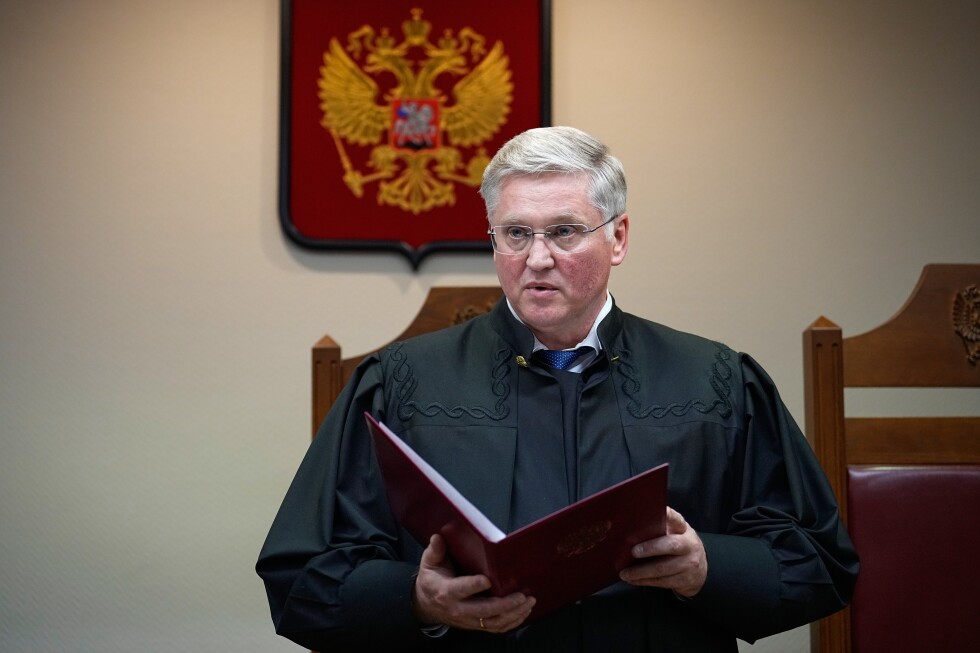
On Thursday, Russia’s highest judicial body delivered a landmark ruling that effectively outlaws all operations of Memorial, the Nobel Peace Prize-honored human rights organization, marking the most severe escalation yet in the Kremlin’s sustained crackdown on independent civil society and opposition voices amid its ongoing military campaign in Ukraine. The ruling came following a closed-door hearing on a petition filed by Russia’s Justice Ministry, which requested that the court label the so-called “Memorial international civic movement” an extremist organization and implement a full ban on its activities across Russian territory.
In a pre-ruling statement, Memorial representatives noted that the specific entity named in the government’s petition does not actually exist as a formal registered body in the country. Even so, the organization warned that the sweeping extremist designation would give Russian law enforcement and regulatory authorities broad legal authority to target any ongoing Memorial-linked projects, as well as persecute their participants and public supporters.
Founded in the late 1980s during the final years of the Soviet Union, Memorial emerged as one of Russia’s oldest and most widely respected human rights organizations, built originally on a mission to preserve the memory of millions of people killed or persecuted during the Soviet Union’s era of political repression. Over decades of operation, it grew into a sprawling global network of smaller independent groups spanning Russia and dozens of other countries, expanding its mandate to document ongoing human rights abuses across the region.
Less than a year after Moscow launched its full-scale military invasion of Ukraine in 2022, Memorial was awarded the Nobel Peace Prize in recognition of its decades-long work advancing human rights and accountability. It shared the prize with imprisoned Belarusian pro-democracy activist Ales Bialiatski and Ukraine’s Center for Civil Liberties, another prominent regional human rights organization.
This latest legal action is not the first attempt by Russian authorities to shut down the group. In 2021, Russian courts ordered the dissolution of Memorial’s two core Russian entities: its national human rights center and the original International Memorial. The government had already labeled the group a “foreign agent” years earlier, a regulatory designation that imposes strict government surveillance, carries a heavy public stigma, and subjected the organization to repeated crippling fines for alleged violations of Russia’s restrictive foreign agent legislation. Undeterred by the 2021 shutdown order, Memorial activists continued their work through loosely structured, decentralized projects across the country.
In 2023, former members formally established a new International Memorial Association based in Geneva, Switzerland, to coordinate the group’s global work. Earlier this year, Russian authorities designated the new Geneva-based association “undesirable” — a legal classification that allows the government to prosecute any Russian citizen found collaborating with the group. Thursday’s extremist designation raises the stakes even further: under Russian law, participating in activities linked to an extremist organization is a criminal offense punishable by multi-year prison sentences.
The Norwegian Nobel Committee, which awards the prestigious peace prize, pre-emptively spoke out against the Russian government’s actions in a statement released one day ahead of the ruling. The committee condemned the crackdown on Memorial as “an affront to the fundamental values of human dignity and freedom of expression” and called on Russian authorities to immediately end all forms of harassment against the organization and its members.