Australia, which holds the unenviable title of the world’s highest per capita gambling losses, has finally introduced long-awaited regulations on gambling advertising after years of mounting public pressure for change. While the new package of measures imposes stricter limits on where and when gambling promotions can run, and who is allowed to feature in them, it stops short of the full industry-wide ban that had secured cross-party political support and backing from dozens of community and public health organizations across the country.
The proposed restrictions faced fierce opposition ahead of their announcement from powerful domestic gambling agencies, major media outlets, and national sports organizations, all of which warned that a full ban would trigger a catastrophic collapse in their annual revenue streams. The push for comprehensive reform dates back more than 1,000 days, when a federal parliamentary inquiry into gambling harm recommended Australia follow the lead of nations including Italy, Belgium and Spain, which have implemented full or near-total bans on gambling advertising.
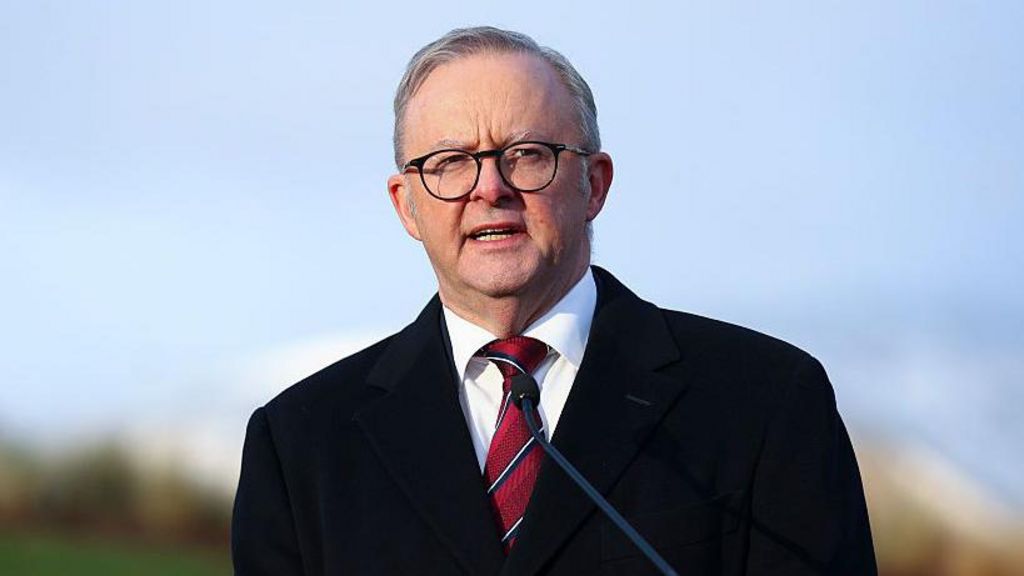
Speaking at the National Press Club on Thursday, Prime Minister Anthony Albanese defended his government’s approach, framing the partial restrictions as a measured compromise that strikes the right balance for the nation. “Letting adults have a punt if they want to, but making sure our children don’t see betting ads everywhere they look,” Albanese said of the policy’s core goal.
The full slate of reforms is set to take effect from January 1 next year, and includes a series of targeted restrictions across broadcast, digital and physical platforms: TV gambling advertisements will be capped at three spots per hour between 6 a.m. and 8:30 p.m., with a complete ban on promotions during all live sports broadcasts in that same window; radio gambling ads will be prohibited during school drop-off and pick-up hours to reduce child exposure; celebrities and professional athletes will be banned from appearing in any gambling marketing; online platform gambling ads will only be allowed for logged-in users over 18 who have explicitly opted in to seeing promotions; all gambling advertising will be outlawed in live sports venues, and from the uniforms of players and game officials.
Beyond advertising restrictions, the government also announced a wider crackdown on unregulated illegal offshore gambling sites, and will ban additional forms of online gambling including online Keno and digital platforms designed to mimic physical poker machines.
Almost immediately after the reforms were unveiled, the policy drew backlash from both the gambling industry and reform advocates, leaving neither side satisfied with the final outcome. For industry groups, the new rules go too far, with leaders warning of widespread economic harm.
Kai Cantwell, chief executive of Responsible Wagering Australia, the national peak body for domestic betting agencies, called the new measures “draconian” and claimed they set a “dangerous precedent” for regulation of other consumer industries. “Today it’s gambling advertising, tomorrow it’s alcohol, then it’s sugary drinks, fast food, critical minerals and who knows what else comes next,” Cantwell said in an official statement. He added that the government had caught the sector off guard, noting the industry supports 30,000 Australian jobs and provides major funding for domestic sports, horse racing and broadcast industries.
A spokesperson for Sportsbet, one of Australia’s largest betting operators, said the company was concerned that the “overly blunt” restrictions could have unintended consequences that ultimately increase harm, including pushing more Australian gamblers to use unregulated illegal offshore betting platforms that are not subject to the same rules. The spokesperson added that Sportsbet had already recognized shifting community attitudes toward gambling advertising and taken proactive steps to limit harmful promotion on its own.
On the other side of the debate, public health and gambling reform advocates say the reforms do not go nearly far enough to protect vulnerable communities and children from exposure to gambling marketing. Reverend Tim Costello, a leading voice for the Alliance for Gambling Reform, which has pushed for a full ban across broadcast and digital platforms as well as the creation of a dedicated national industry regulator, drew a comparison to tobacco regulation to criticize the partial cap on ads. “Imagine three cigarette ads per hour,” Costello said. “Australian children deserve to grow up in a country that puts their wellbeing before corporate profits.”
Julian Rait, vice-president of the Australian Medical Association, echoed that criticism in a statement, arguing that “partial bans do not work.” “Anything less than a comprehensive ban will continue to expose Australians – especially children – to relentless gambling promotion,” Rait said.