Border tensions between Pakistan and Afghanistan’s ruling Taliban movement that have killed hundreds of people in recent months have moved toward diplomatic resolution, with Beijing announcing Friday that mediated peace talks between the two sides are steadily advancing. The development comes just 48 hours after representatives from Islamabad and Kabul restarted negotiations in Urumqi, a major city in northwest China, ending a weeks-long pause in dialogue sparked by escalating armed clashes.
China’s Foreign Ministry spokesperson Mao Ning confirmed that Beijing has been working behind the scenes to bring the two rival parties to the negotiating table, coordinating through multiple channels and across various levels of government to create a viable framework for dialogue. “Since the recent escalation of the Pakistan–Afghanistan conflict, China has been mediating and promoting talks in its own way, maintaining close communication with both sides through multiple channels and at various levels, and creating conditions and providing platforms for dialogue”, Mao told reporters during a regular press briefing.
Mao added that all three sides have agreed to concrete working arrangements for the talks, including protocols for media coverage, though she declined to share further details on the negotiation agenda or potential confidence-building measures. Both Pakistan and Afghanistan have expressed support for China’s mediation efforts, a development Mao characterized as a positive step forward. “Both countries attach importance to and welcome China’s mediation efforts, and are willing to sit down again for talks, which is a positive development”, she said.
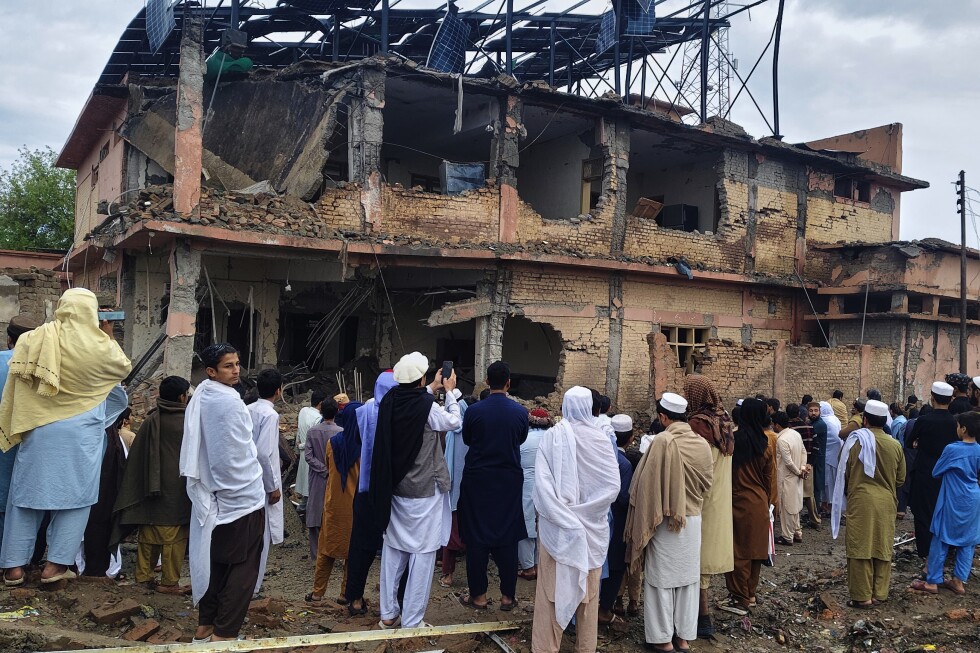
The diplomatic push comes against a backdrop of persistent unrest that has rocked the shared border region. Even as negotiators convened in Urumqi on Wednesday, a deadly attack underscored the volatility of the security situation: late Thursday, a suicide bomber drove an explosives-packed vehicle into a police station in Bannu District, northwest Pakistan, killing at least five officers and leaving multiple others injured. No group immediately claimed responsibility for the attack, though Pakistan has grappled with a sharp rise in insurgent violence in recent years, with the majority of major attacks claimed by the Tehrik-i-Taliban Pakistan (TTP), commonly known as the Pakistani Taliban.
The TTP is a separate militant organization from the Afghan Taliban that rules Kabul, but the two groups maintain close ideological and operational alliances. The Afghan Taliban seized full control of Afghanistan in 2021 following the chaotic withdrawal of U.S.-led coalition forces that had occupied the country for 20 years. Islamabad has repeatedly accused the Afghan Taliban government of allowing the TTP to operate safe havens from which to launch cross-border attacks into Pakistani territory, a charge the Kabul administration has consistently denied.
Large-scale open fighting between the two neighboring states erupted in February, after the Taliban government in Kabul announced that Pakistani military forces had launched airstrikes and ground operations across multiple Afghan regions, resulting in heavy civilian casualties. Islamabad responded that its strikes were exclusively targeting TTP militant hideouts, and later confirmed it was engaged in open armed conflict with the Afghan Taliban government. The months of clashes that followed have left hundreds of people, most of them civilians, dead, raising international concerns about a broader destabilization of South Asia.