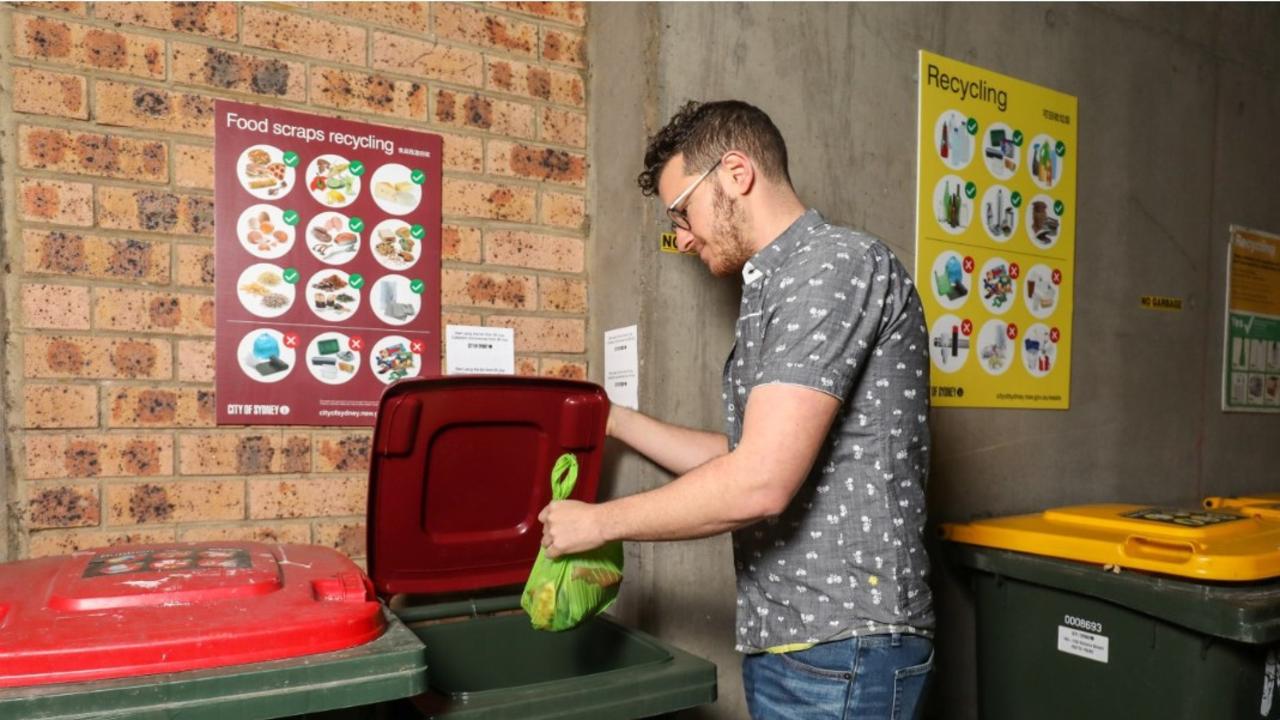
A major local governing body in Sydney is moving forward with the next stage of a divisive food waste management pilot program, rolling out 1,200 purpose-built dedicated bins for household food scraps across selected residential areas.
New South Wales’ Northern Beaches Council will begin distributing the distinct burgundy food waste bins to participating homes this month, marking a new chapter in the region’s preparations to meet a state-wide mandate that requires every local council to offer formal food waste collection services by 2030.
This latest iteration of the trial departs from the first phase, launched in 2025, which combined food waste collections with existing garden waste pickups. During the initial stage, 1,700 households in the Cromer and Dee Why suburbs were given compostable bags to dispose of food scraps alongside their green garden waste bins, with collections occurring once every two weeks. For residents not included in the trial, food waste continues to be collected weekly alongside general rubbish, and all of it ends up in crowded landfills across the state.
By contrast, the new dedicated burgundy bins in the second phase will be collected on a weekly basis, giving council researchers an opportunity to compare two different collection models. The second phase will focus on 1,200 randomly selected homes across Terrey Hills, Fairlight and Manly Vale, with the entire five-month pilot designed to test how separate food waste collection works across different property types, from large family homes to small granny flats.
Participating households have already been notified of their inclusion in the program, and council crews will deliver the new bins, countertop kitchen caddies for in-home storage, pre-purchased compostable bin liners and full usage instructions to all participating properties during the first week of the trial.
Early results from the first phase proved promising: over the testing period, crews collected roughly 330 tonnes of combined food and garden waste, which was processed at regional recycling facilities and turned into nutrient-rich compost for agricultural use across New South Wales. Even with these positive early outcomes, the pilot has remained controversial among some residents, who have raised concerns about additional bin storage requirements, collection scheduling changes and potential odour issues from weekly food waste storage.
Once the five-month second phase concludes, council leadership will analyze data from both pilot models to identify the most efficient, cost-effective and resident-friendly approach for full rollout ahead of the 2030 state deadline.