The ongoing conflict tied to the US-Israeli war on Iran has triggered a sharp upward swing in global oil prices, creating severe fiscal strain on governments across Africa — and Senegal is the latest nation to roll out austerity measures to counter the crisis. In an address delivered at a youth gathering on Friday, Senegalese Prime Minister Ousmane Sonko announced an immediate ban on all non-essential international travel for government ministers, a measure he is also applying to his own official schedule. Sonko confirmed he has postponed planned trips to Niger, Spain and France to align with the new cost-cutting rules, and added that the country’s mines minister will unveil a broader package of government spending curbs in the coming week.
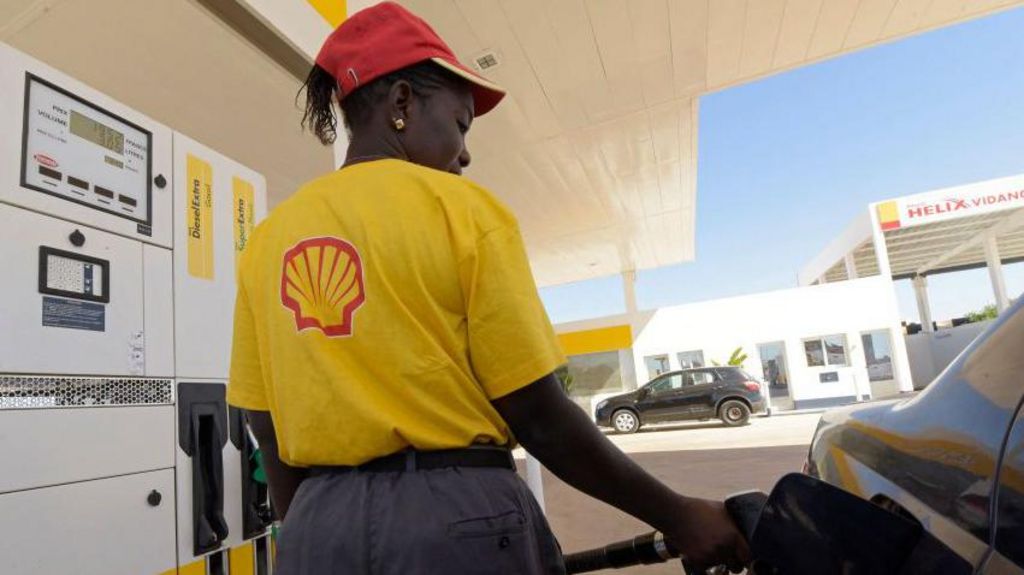
Despite the development of a young domestic oil and gas sector, Senegal remains heavily dependent on imported fuel to meet its domestic energy needs. Sonko told attendees that the current per-barrel price of crude oil is now nearing twice the amount budgeted by his administration for the year, pushing the country’s already precarious public finances closer to the edge. The West African nation carries a public debt load equal to more than 130% of its annual gross domestic product, a burden Sonko — who took office as prime minister two years ago — blames on mismanagement by the previous administration. He noted that this pre-existing debt has left his government with far less flexibility to absorb the shock of global energy price increases.
In his remarks, Sonko struck a balanced tone: he avoided stoking unnecessary panic among young Senegalese citizens, instead aiming to build public understanding of the challenging global context. “I do not want to frighten you or put unnecessary pressure on you,” he said. “I simply want you to grasp what kind of world we are facing right now — it is a world marked by great difficulty. But even as we confront these hardships, we know the Senegalese people have always shown extraordinary resilience.”
Just one year ago, the International Monetary Fund praised Senegal’s economy as “robust”, highlighting an annual growth rate of nearly 8% and relatively low inflation compared to regional peers. But the sudden global energy shock has upended that positive trajectory, forcing urgent cost-cutting action.
Senegal’s travel ban is the most recent in a string of responses to skyrocketing oil prices across the African continent, as nations grapple with supply disruptions stemming from the conflict in Iran. Earlier this week, South Africa cut excise taxes on petrol to cap retail price increases for consumers. In Ethiopia, widespread fuel shortages have forced multiple government agencies to furlough employees by sending them on mandatory annual leave. South Sudan has implemented rolling electricity rationing in its capital city of Juba, while Zimbabwe has adjusted fuel standards to increase the share of ethanol blended into petrol to stretch supplies.
The Iran conflict has had ripple effects beyond energy markets, too. The effective disruption to shipping traffic through the Strait of Hormuz — a critical chokepoint in the Persian Gulf that handles roughly 30% of all global traded fertilizer — has restricted global fertilizer supplies. On Wednesday, the International Rescue Committee, a leading global humanitarian organization, warned that the supply crunch amounts to a “ticking timebomb for food security”, particularly for East African nations that rely heavily on fertilizer imports from the Middle East to sustain their agricultural sectors.
For more coverage of the Iran conflict’s impact on African energy and food systems, additional reporting is available at BBCAfrica.com, where audiences can also follow the BBC Africa team across social media platforms including Twitter, Facebook and Instagram.