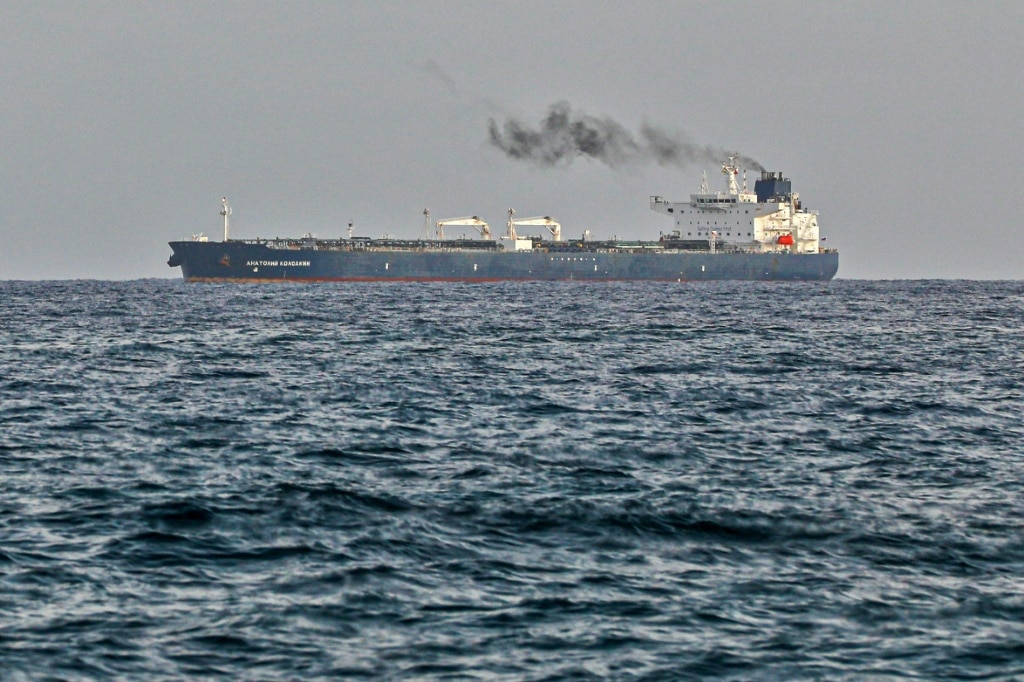
In a significant geopolitical development, a Russian-flagged oil tanker arrived at the port of Matanzas, Cuba, on Tuesday morning, delivering 730,000 barrels of crude oil. This shipment marks the first major oil delivery to the island nation since January, following a temporary humanitarian reprieve granted by the United States from its stringent sanctions regime.
The vessel, identified as the Anatoly Kolodkin—itself under U.S. sanctions—entered the port at sunrise as observed by AFP correspondents. The delivery comes as Cuba grapples with severe energy shortages, characterized by recurrent nationwide blackouts, stringent fuel rationing, and a near-paralyzed public transportation system.
U.S. President Donald Trump authorized the Russian shipment, stating that he did not object to such humanitarian deliveries so Cubans ‘have to survive.’ However, the White House was quick to clarify that this does not signify a shift in overall policy toward Cuba. Press Secretary Karoline Leavitt emphasized, ‘We allowed this ship to reach Cuba to provide for humanitarian needs. These decisions are being made on a case-by-case basis.’
While the arrival of the tanker was met with relief by some local residents, economists and energy analysts caution that the shipment offers only a fleeting solution. Ricardo Torres, an economist at American University, noted that Cuba’s energy crisis is ‘structural rather than episodic,’ and the oil provides ‘temporary breathing room’ but falls far short of resolving the nation’s significant deficit.
The context of this delivery is rooted in heightened U.S. pressure on Cuba and its primary regional ally, Venezuela. Since January, Cuba has been largely cut off from oil supplies after the U.S. intensified efforts to oust Venezuelan leader Nicolás Maduro and threatened tariffs on any country supplying crude to Cuba.
Policy analysts like Ricardo Herrero of the Cuba Study Group interpret the U.S. strategy as one designed to ‘drive the system to the brink’ to force Havana into making substantial concessions at the negotiating table, without intending to trigger a full societal collapse.
Energy experts estimate that the crude will take approximately a month to refine into diesel, which is critically needed for backup generators and transportation. The resulting diesel is projected to meet the country’s demand for only about two weeks. This shipment is viewed by many as a stopgap humanitarian measure rather than a step toward economic recovery, with doubts lingering about Russia’s long-term willingness to subsidize the Cuban economy.