A groundbreaking report from Médecins Sans Frontières (MSF) exposes sexual violence as an entrenched and systematic weapon within Sudan’s ongoing civil conflict, persisting even in regions distant from active combat zones. The medical charity’s comprehensive analysis, drawing from 3,396 victim testimonies across North and South Darfur between January 2024 and November 2025, reveals a harrowing landscape of brutality where rape has become normalized.
Armed men, predominantly identified as fighters from the paramilitary Rapid Support Forces (RSF), are cited as the primary perpetrators. The report characterizes sexual assault as a ‘defining feature’ of the conflict, frequently accompanied by extreme violence, humiliation, and the murder of relatives. Particularly shocking accounts emerged following the RSF’s capture of el-Fasher city and displacement camps like Zamzam and Abu Shouk in October, events MSF describes as unfolding ‘the most unimaginable brutality.’
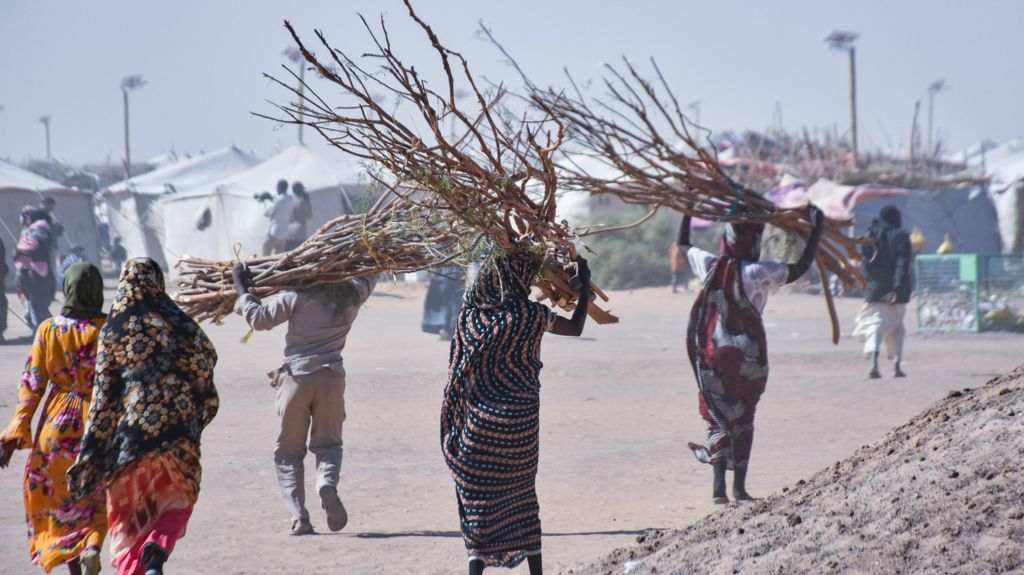
A critical finding is that this violence does not subside when fighting moves elsewhere. In South Darfur, an area now far from the front lines, sexual assault remains ‘part of everyday life.’ Over 1,300 survivors (68% of whom identified armed assailants) reported being attacked while performing daily subsistence activities like collecting firewood, fetching water, or farming. ‘Every day, when people go to the market, there are four or five cases of rape,’ a 40-year-old woman testified.
The report underscores a disturbing ethnic dimension, with non-Arab communities such as the Zaghawa, Massalit, and Fur being ‘systematically targeted.’ This pattern is rooted in Darfur’s long history of conflict and is sustained by a heavily militarized environment and a deep-seated culture of impunity. The data also reveals the victimization of children, with one in five survivors in South Darfur being under 18, including 41 children under the age of five.
MSF emphasizes that its data represents only a fraction of the true scale, citing immense barriers to reporting and care, including stigma, ongoing insecurity, and the collapse of protection services. The charity concludes that the humanitarian response has catastrophically failed survivors and demands urgent accountability and action to address this pervasive crisis.