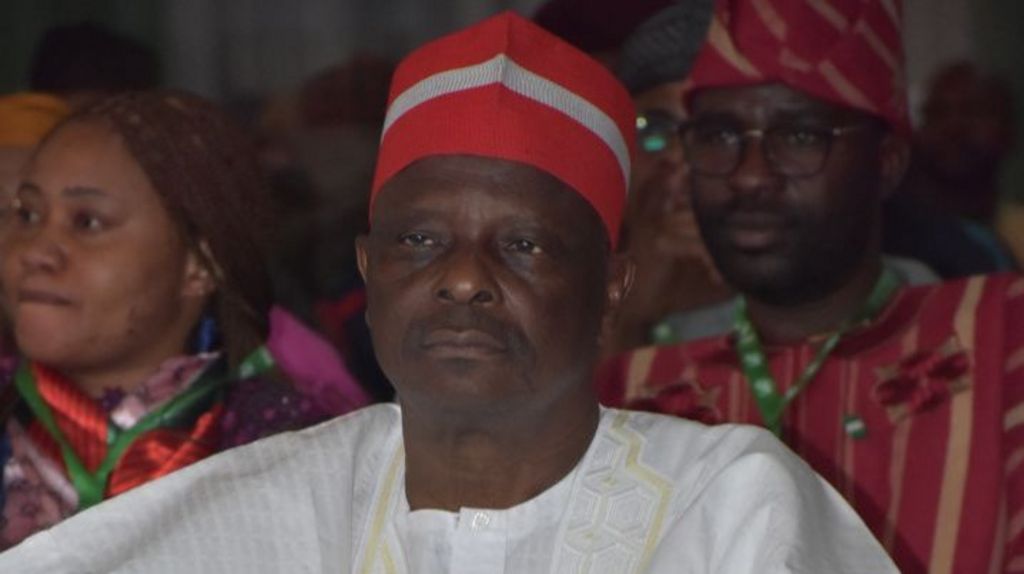
Nigeria’s political landscape has undergone a significant realignment as prominent opposition figure Rabiu Musa Kwankwaso formally joined the African Democratic Congress (ADC), substantially strengthening the coalition challenging President Bola Tinubu’s administration. The former Kano state governor announced his departure from the New Nigeria People’s Party (NNPP) on Sunday, citing the nation’s political climate necessitating “strategic realignment,” before revealing his ADC affiliation Monday evening.
Kwankwaso’s defection represents a major development in the emerging opposition alliance that now incorporates several political heavyweights, including former Vice-President Atiku Abubakar and ex-state governor Peter Obi—both formidable opponents to President Tinubu in the 2023 elections. This consolidation creates a unified front against the ruling All Progressives Congress (APC), which has maintained power since 2015.
The ADC coalition gains considerable strategic advantage from Kwankwaso’s extensive support base in predominantly Muslim northern Nigeria, a crucial voting bloc in national elections. His followers, collectively known as the Kwankwasiyya movement and recognizable by their distinctive red caps, have demonstrated remarkable loyalty through multiple party transitions. Additionally, Kwankwaso’s previous tenure as defence minister provides the coalition with valuable security credentials as Nigeria confronts significant security challenges.
This political reorganization occurs with less than one year remaining until Nigeria’s next general elections. President Tinubu has received the ruling party’s endorsement to pursue a second term in the January 2027 poll, with widespread expectations confirming his candidacy. The ADC has not yet selected its presidential flagbearer, presenting potential challenges in managing multiple high-profile figures within the coalition.
The opposition consolidation develops alongside internal crises within Nigeria’s two primary opposition groups. The People’s Democratic Party (PDP) has fragmented into rival factions, diminishing its traditional position as the leading opposition force, while the Labour Party (LP) faces its own organizational challenges.
Simultaneously, Nigeria’s electoral commission has implemented reforms addressing concerns from the disputed 2023 election. New regulations mandate electronic transmission of polling station results in real time, though opposition parties have expressed concerns about provisions permitting manual vote sorting in areas with limited internet access, warning this could compromise transparency.
Kwankwaso’s political trajectory has recently included international attention, with Republican lawmakers in the United States proposing sanctions against him in February regarding alleged persecution of Christians in Nigeria—claims strongly denied by both Kwankwaso and the Nigerian government, which maintains that violence affects all religious communities equally.