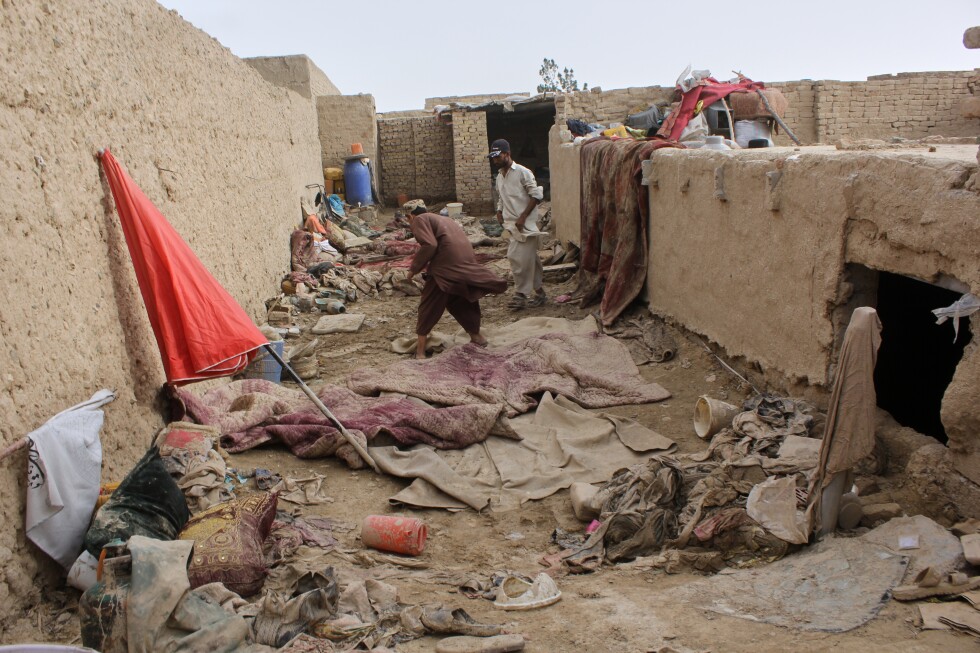
KABUL, Afghanistan — Afghan disaster management officials reported on Monday a rising human and economic toll from severe weather systems that have battered multiple provinces over four consecutive days. The latest figures indicate at least 28 fatalities and 49 injuries, with numbers expected to climb as remote areas become accessible.
The Afghanistan National Disaster Management Authority detailed extensive damage from flash floods, landslides, and lightning strikes across affected regions. The extreme conditions have completely destroyed 130 homes and caused significant damage to 436 others, displacing approximately 1,130 families. Critical infrastructure has suffered severe impacts, with 93 kilometers (58 miles) of roads rendered impassable and agricultural irrigation systems destroyed.
The environmental devastation extends to livestock losses exceeding 240 animals and widespread destruction of agricultural land, threatening food security in vulnerable communities. This recent weather emergency continues a pattern of destructive climate events in Afghanistan, where earlier this year heavy snowfall and flooding also claimed numerous lives.
Experts note that Afghanistan’s particular vulnerability to climate disasters stems from multiple factors: decades of conflict that have weakened infrastructure, widespread deforestation, economic challenges, and the accelerating effects of global climate change. The situation proves especially dire in remote regions where traditional mud-brick homes offer minimal protection against sudden deluges or extreme weather events.
The 2024 spring flooding season proved particularly deadly, with over 300 casualties recorded earlier this year, highlighting the recurring nature of these climate emergencies in the Central Asian nation.