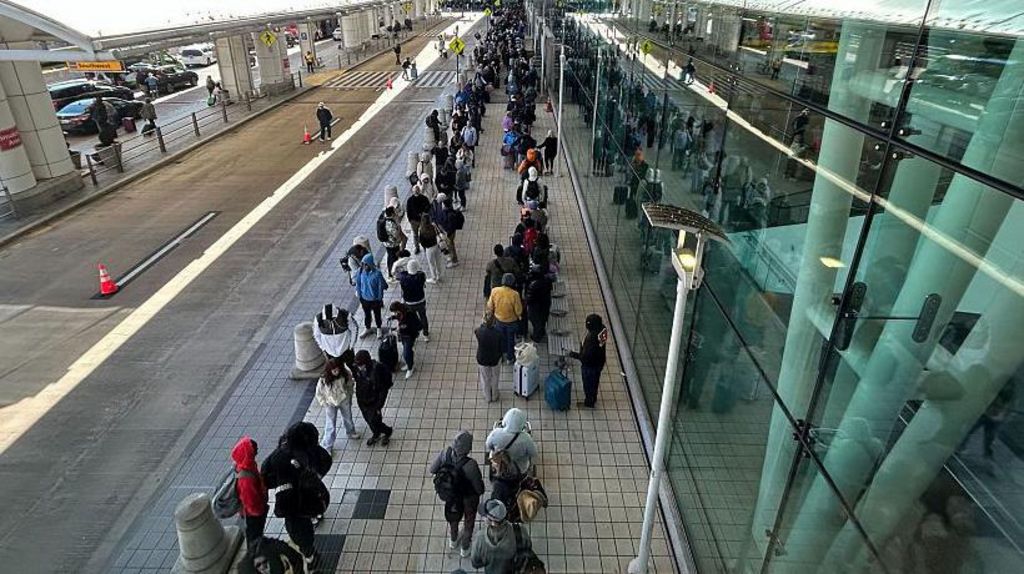
The United States has entered uncharted territory as its partial government shutdown became the longest in the nation’s history, reaching 44 days on Sunday and surpassing the previous record set in November 2025. This political stalemate has triggered severe disruptions at airports nationwide, with security lines stretching outside terminals and causing hours-long delays for travelers.
The core of the dispute centers on funding for the Department of Homeland Security (DHS), which has remained in limbo since February 14th. The impasse has left thousands of Transportation Security Administration (TSA) officers working without pay, resulting in significant staffing shortages at critical security checkpoints. According to DHS reports, approximately 12.35% of TSA personnel called out of work on Friday alone, with nearly 500 agents having quit entirely due to financial hardship.
Congressional efforts to resolve the crisis have repeatedly failed. While the Senate passed a compromise bill that would provide partial funding for DHS and address airport delays, House Republicans rejected this measure in favor of a short-term solution that funds the department entirely. Democrats have opposed comprehensive funding without immigration reforms, including restrictions on Immigration and Customs Enforcement (ICE) practices.
The travel disruptions have raised concerns about the country’s preparedness to co-host the upcoming World Cup in June. In response to the crisis, ICE agents have been deployed to assist at several major airports. White House border coordinator Tom Homan indicated that some ICE units might remain stationed at airports even after the shutdown concludes, depending on how many TSA agents return to work once paid.
In a controversial move, the administration has directed that TSA agents receive paychecks by Monday or Tuesday through executive action, a decision that legal experts warn may violate the Antideficiency Act and constitutional provisions regarding congressional spending authority.