A month into the ongoing military engagement between the United States and Israel against Iran, market analysts are observing a significant shift in how financial markets respond to presidential communications. Whereas President Donald Trump’s social media posts and statements once triggered immediate and substantial fluctuations in oil prices, traders are increasingly adopting a more skeptical stance toward the predictive value of his commentary.
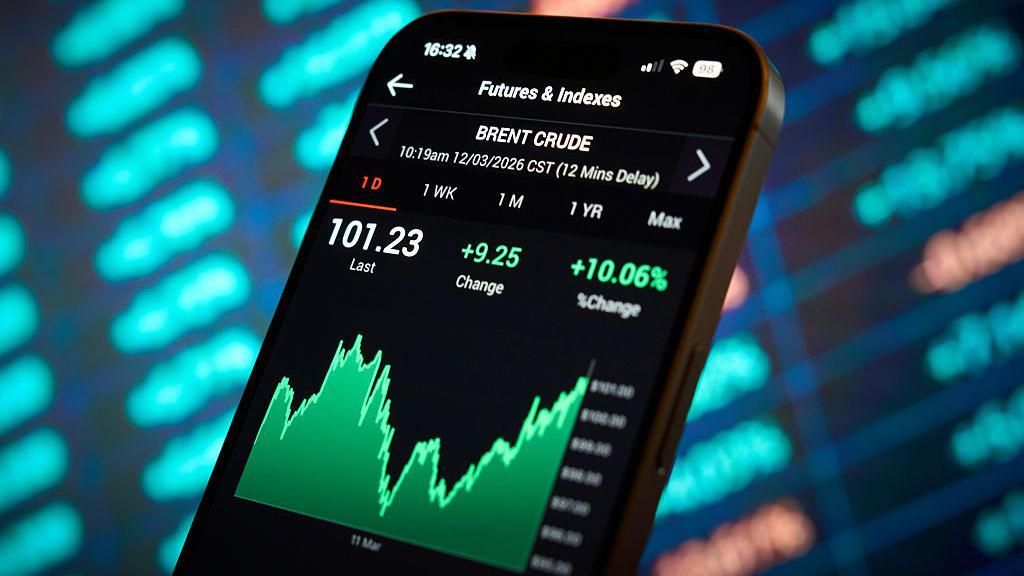
Crude oil has experienced considerable volatility since the commencement of strikes on February 28th. Starting from approximately $72 per barrel pre-conflict, prices surged to a peak of $118 on March 19th before settling around $112 by Friday afternoon—marking a substantial increase from pre-war levels despite recent fluctuations.
Investment professionals note that energy prices have effectively become a barometer for broader geopolitical risks. Jonathan Raymond, Investment Manager at Quilter Cheviot, observes that “markets are rightfully sensitive to those signals, given the big economic risks that come with rising oil prices.” He characterizes market movements not as confusion but as attempts to “manage event risk in real time, with oil sitting right at the centre of that.”
The relationship between presidential rhetoric and market response appears to be weakening. Brian Szytel of the Bahnsen Group suggests that some presidential comments seem strategically aimed at influencing oil prices rather than communicating substantive policy, noting that “the first casualty of war is truth” and suspecting that rhetoric about productive talks often centers around moving oil prices.
This skepticism was evident last Thursday when, minutes after US stock markets experienced their sharpest decline since the conflict began, Trump announced that talks with Iran were progressing “very well” and that military strikes on Iranian energy infrastructure would be delayed until at least April 6th. Contrary to historical patterns, oil prices continued their upward trajectory despite these conciliatory statements.
Jane Foley, Head of FX Strategy at Rabobank, attributes the muted market reactions to the “huge gap” between Trump’s reassurances and Tehran’s lack of acknowledgment. She notes that “given the optics, many investors cannot see an early end to the conflict and markets remain anxious.”
Russ Mould, Investment Director at AJ Bell, adds that markets have grown accustomed to Trump “often changing tack at signs of political or stock market or economic trouble,” resulting in “a degree of scepticism, or even downright cynicism, creeping in at the edges” of market psychology.