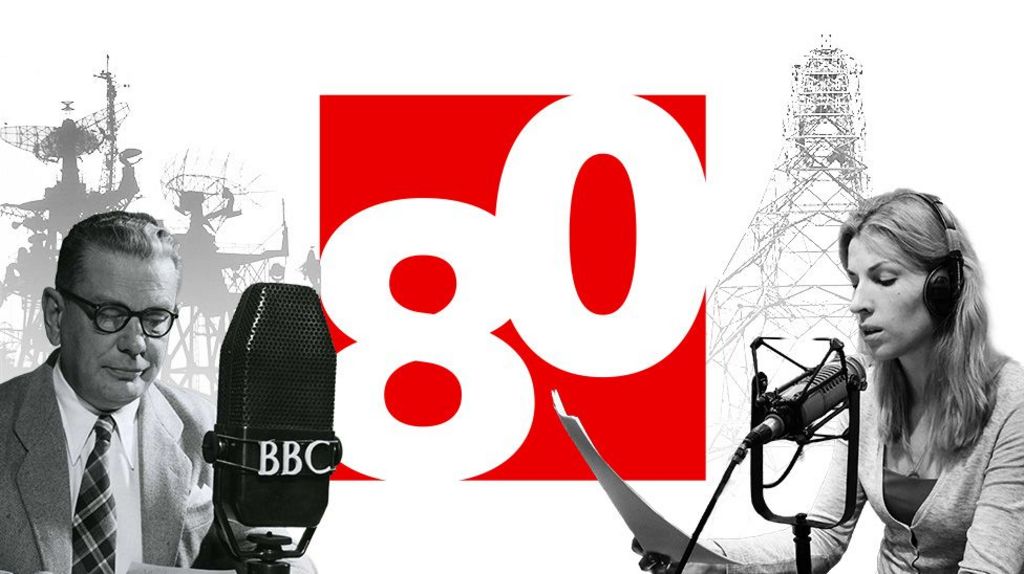
For eight decades, the BBC Russian service has navigated evolving censorship barriers in its mission to deliver uncensored information to Russian audiences. What began as short-wave radio jamming during the Cold War has transformed into sophisticated digital blocking in the modern era, creating what analysts now term a ‘digital Iron Curtain’.
The historical struggle dates to March 24, 1946, when the BBC launched its first regular Russian-language broadcasts aimed at providing Soviet citizens an alternative to state propaganda. By 1949, signal jamming became standard practice, forcing inventive listeners to develop creative workarounds. Former BBC presenter Natalia Rubinstein recalls how enthusiasts would take radios on cross-country skiing trips to escape urban jamming zones, creating surreal scenes of individuals listening to forbidden broadcasts in snowy forests.
Cold War-era broadcasting involved intricate cat-and-mouse games. The BBC would repeat its 90-minute Russian bulletin three times weekly to ensure some content reached listeners. While cultural programming often bypassed censorship, discussions of global conflicts or socialist bloc politics faced immediate jamming. A notable victory occurred in 1982 when the service unexpectedly resumed broadcasting after midnight to report Leonid Brezhnev’s death, temporarily outmaneuvering jamming teams who had ended their shifts.
The Glasnost era brought dramatic changes. In 1987, jamming ceased officially during Mikhail Gorbachev’s reforms, allowing unprecedented direct engagement. The 1988 live broadcast featuring UK Prime Minister Margaret Thatcher answering Soviet citizen questions generated over 800 calls from across the USSR.
Modern challenges have intensified following Russia’s 2022 invasion of Ukraine. The BBC Russian website was blocked on March 4, 2022, accused of spreading ‘false information,’ while new laws criminalized describing the conflict as a ‘war.’ The service relocated to Riga, Latvia, as eight journalists were designated ‘foreign agents’—a designation echoing Soviet-era persecution tactics.
Despite these obstacles, weekly audience numbers have grown to 12 million through VPN usage and alternative platforms. However, Russia’s internet watchdog systematically blocks popular VPN services, while widespread mobile outages and proposed ‘whitelist’ systems threaten to create Iranian-style information control. Messaging apps like Telegram and WhatsApp face restrictions favoring government-backed alternatives.
BBC News Russian head Jenny Norton notes the particular significance of their mission today: ‘A new generation of Russians are now having to fight to stay connected to the world. Our team must battle internet blocking and shutdowns to maintain this vital connection,’ underscoring the continuing relevance of the service’s 80-year mission.