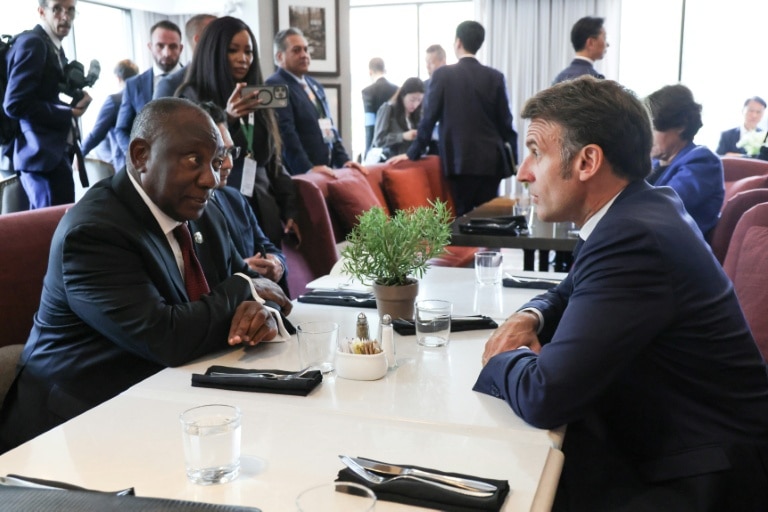
In a significant diplomatic development, South Africa has been formally disinvited from the upcoming G7 summit in Évian-les-Bains, France, following sustained pressure from the United States government. Presidential spokesperson Vincent Magwenya confirmed to AFP that French authorities withdrew their invitation after American officials threatened to boycott the gathering entirely if South African participation proceeded.
This exclusion represents the latest escalation in deteriorating relations between Washington and Pretoria, which have been strained across multiple fronts. Tensions have mounted particularly around South Africa’s genocide case against Israel at the International Court of Justice and former President Donald Trump’s controversial assertions regarding the persecution of white Afrikaners in South Africa.
The diplomatic rift deepened when Trump administration implemented substantial economic measures against South Africa, including imposing 30% tariffs on most South African exports—the highest rate applied to any sub-Saharan nation, though subsequently overruled by the US Supreme Court. Additionally, Trump consistently criticized South Africa’s racial justice policies designed to address historical inequalities, characterizing them as discriminatory against white citizens.
The original invitation had been extended personally by French President Emmanuel Macron during last year’s G20 summit in Johannesburg. While G7 nations frequently extend participation invitations to additional countries—with Brazil, India, and South Korea included this year—South Africa’s anticipated involvement has now been formally revoked.
Despite these developments, South African officials emphasized that bilateral relations with France remain unaffected. Magwenya stated, ‘This will have no impact on the strength and close nature of our bilateral relationship with France.’ Regarding US relations, he added that South Africa ‘remains committed to engage constructively with the US,’ noting that diplomatic relationships ‘predate the Trump administration and will outlive the current White House term of office.’
The diplomatic friction further manifested recently when Pretoria summoned newly appointed US Ambassador Brent Bozell to address his criticism of South Africa’s racial policies and judicial decisions. While the ambassador subsequently acknowledged respect for South Africa’s independent judiciary, the incident highlighted ongoing tensions. South Africa has yet to replace its ambassador to Washington since the expulsion of Ebrahim Rasool in March last year, though officials indicate an appointment is imminent.