The White House has confirmed that diplomatic channels with Iran remain active despite Tehran’s public dismissal of a comprehensive 15-point peace proposal. This development occurs alongside a significant military escalation, with the Pentagon deploying over 1,000 paratroopers to the region, creating a contradictory strategy that has left allies and administration officials perplexed.
President Donald Trump’s administration finds itself navigating increasingly complex waters as conflicting approaches emerge simultaneously. Within hours of the Pentagon’s troop mobilization order, U.S. negotiators delivered the peace plan to Iranian authorities—a document demanding Tehran abandon its nuclear program, limit ballistic missile capabilities, and reopen the strategically vital Strait of Hormuz.
The administration’s mixed messaging has raised concerns among former officials and international allies about the coherence of Trump’s exit strategy. A former senior administration official, speaking anonymously, revealed growing unease within government circles regarding the apparent lack of a concrete plan for the conflict’s resolution.
White House Press Secretary Karoline Leavitt maintained a firm stance, stating: “President Trump does not bluff, and he is prepared to unleash hell. Iran should not miscalculate again.” This rhetoric contrasted sharply with earlier suggestions of diplomatic progress, particularly following Trump’s decision to suspend planned attacks citing “major progress” in negotiations.
The strategic importance of the Strait of Hormuz represents a critical challenge for the administration. With approximately 20% of global oil and gas exports passing through this waterway, continued Iranian attacks on commercial vessels have driven energy prices upward while Trump’s calls for NATO assistance have yielded limited results.
Domestically, the conflict has exposed fractures within the Republican Party. While House Speaker Mike Johnson expressed confidence that military operations were “wrapping up,” Representative Nancy Mace (R-SC) publicly opposed ground troop deployments after receiving classified briefings. This division highlights the tension between anti-interventionist MAGA supporters and party hawks backing military action.
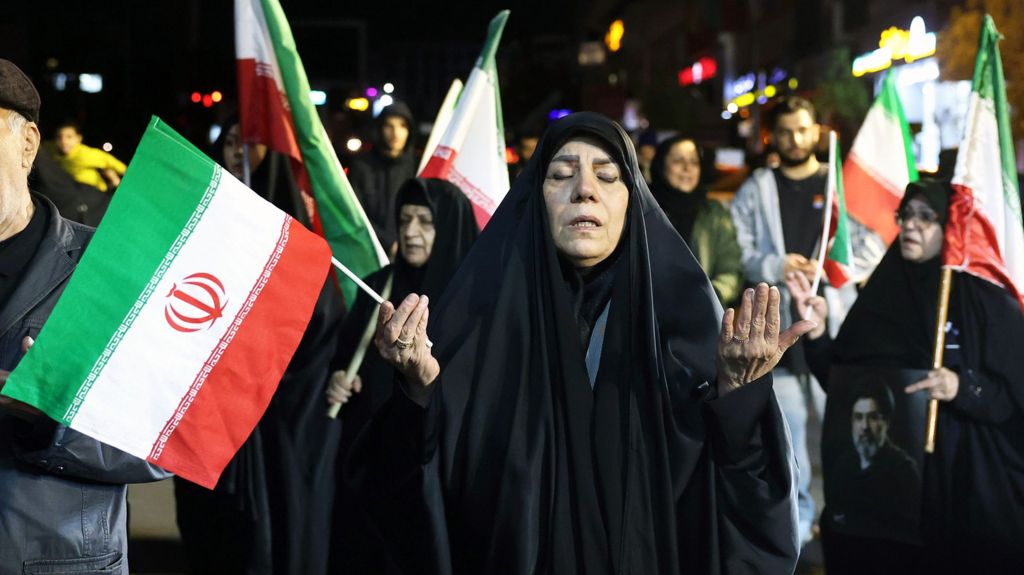
Iran’s response, delivered through anonymous officials on state television, emphasized Tehran’s perception of equal control over conflict dynamics. Iranian Foreign Minister Abbas Araghchi explicitly denied ongoing negotiations and rejected allowing Western ships through the Strait of Hormuz, stating: “There is no reason to allow the ships of our enemies and their allies to pass.”
Military experts suggest the troop deployment might focus on securing Kharg Island, Iran’s primary oil export hub, to gain leverage over the strategic waterway. However, former defense officials caution that this escalation appears more reactive than strategic, with one describing it as resembling “a pick-up game of which units are available to me now” rather than executing a carefully considered plan.