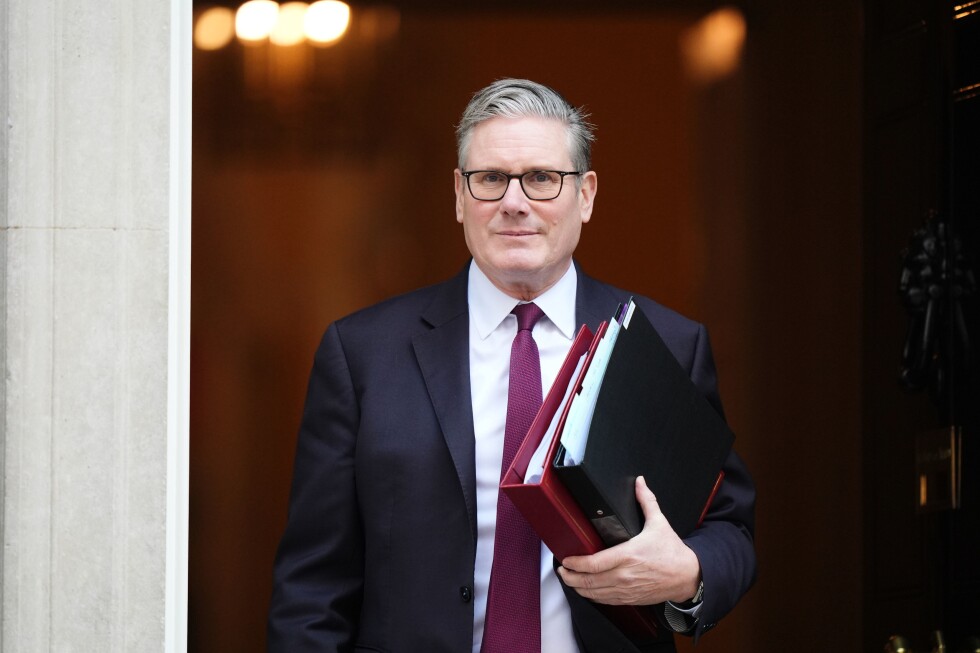
LONDON — In a decisive move to safeguard electoral integrity, British Prime Minister Keir Starmer declared on Wednesday that political parties would be prohibited from accepting donations in cryptocurrencies. The announcement came during the weekly Prime Minister’s Questions session, where Starmer emphasized that illicit finance represents a “stark” threat to the nation’s democratic foundations.
The new policy introduces an immediate moratorium on cryptocurrency contributions to political organizations and establishes an annual cap of £100,000 (approximately $134,000) for donations from British voters residing overseas. These measures are designed to prevent foreign actors from exploiting financial loopholes to influence UK politics.
The ban presents particular challenges for Reform UK, the hard-right party led by Nigel Farage, which has been among the few political groups openly accepting digital currency donations. According to Electoral Commission data, the party received £12 million in the past year from Christopher Harborne, a British businessman based in Thailand.
Reform UK deputy leader Richard Tice criticized the government’s decision, claiming it aimed to “stop the incredible progress of Reform.” Despite holding only eight seats in the 650-member House of Commons, Reform UK has consistently outperformed both the governing Labour Party and opposition Conservatives in recent opinion polls.
The cryptocurrency ban follows a comprehensive review led by former senior civil servant Philip Rycroft, who expressed concerns that untraceable digital currencies could serve as conduits for foreign money entering the British political system. Rycroft’s report, commissioned in December after several high-profile incidents including the imprisonment of former Reform UK politician Nathan Gill for accepting bribes to make pro-Russian statements, recommended temporary restrictions until proper regulatory frameworks could be established.
The proposed changes, which require parliamentary approval but will be backdated to take effect immediately, represent the latest in a series of democratic reforms introduced by Starmer’s center-left government. Previous measures include tightened corporate donation rules and proposals to lower the voting age from 18 to 16.