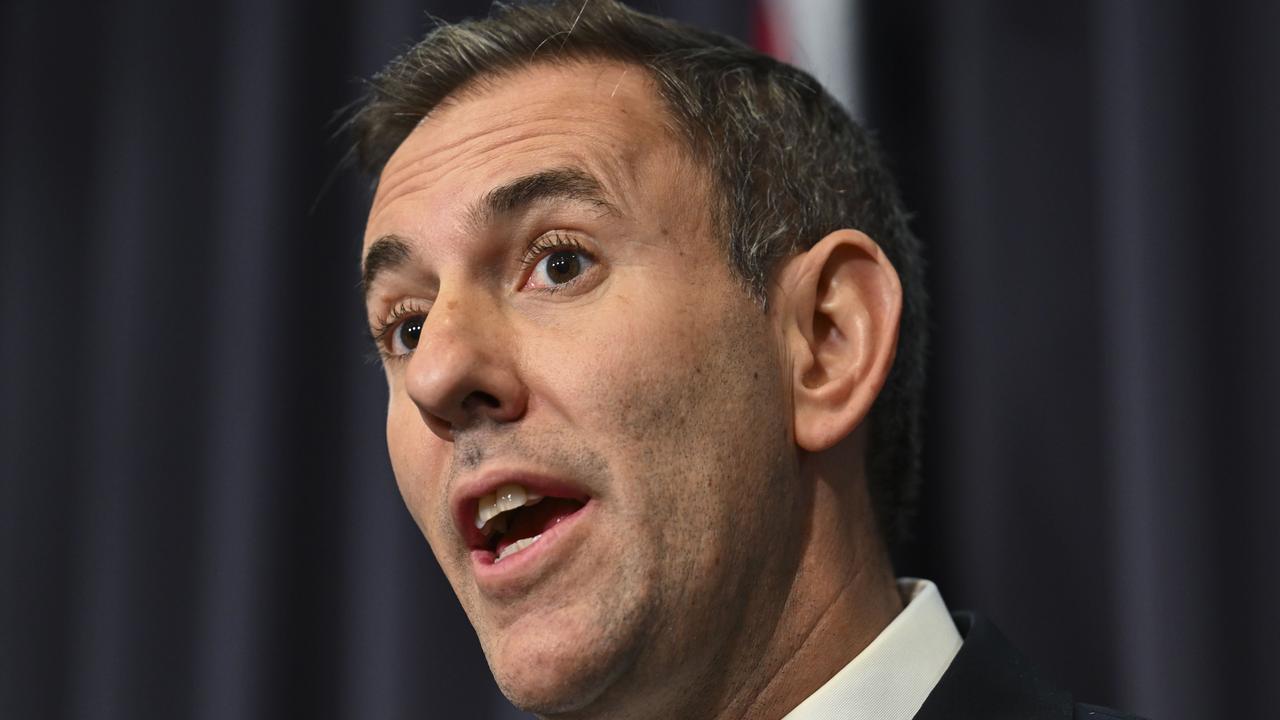
Australian Treasurer Jim Chalmers has definitively rejected calls to modify the nation’s fuel excise system despite escalating inflationary pressures stemming from the Middle East conflict. The announcement comes as recent economic data reveals persistent inflation challenges, with the Consumer Price Index registering a 3.7% increase in February, remaining above the Reserve Bank’s target range.
Addressing media concerns, Chalmers acknowledged that the Iran war, which commenced after the February reporting period, would significantly exacerbate inflation trends. “While it’s encouraging that inflation was moderating before the conflict,” Chalmers stated, “we recognize that price pressures were already elevated, and the Middle East situation will now prolong the period of higher inflation.”
The current fuel excise structure imposes approximately 52 cents per liter on Australian consumers, a fixed rate that remains unchanged regardless of wholesale price fluctuations. Chalmers defended the government’s position by emphasizing alternative strategies: “Our focus remains on ensuring fair pricing at fuel stations, increasing supply availability—particularly in regional areas—and addressing supply chain vulnerabilities through international cooperation and industry engagement.”
Treasury Department modeling, which previously projected inflation could approach 5% under fuel disruption scenarios, now appears “conservative” according to Chalmers, who has commissioned updated analyses to account for the rapidly evolving geopolitical landscape.
The political opposition launched sharp criticisms against the government’s economic management. Shadow Treasurer Tim Wilson accused the Labor administration of pursuing an “inflation agenda” that was damaging household budgets through increased mortgage costs, grocery expenses, and energy bills. Wilson demanded greater fiscal discipline, productivity-enhancing policies, and reduced public spending.
Independent economic analysis from KPMG chief economist Dr. Brendan Rynne suggested that while the February data indicated temporary economic resilience, the Middle East conflict’s impact on oil prices would soon permeate throughout the economy, affecting food, transportation, and construction costs. Rynne projected that subsequent data would provide clearer indications of the Reserve Bank’s interest rate trajectory, noting that the developing oil crisis would likely complicate inflation management efforts in the coming months.