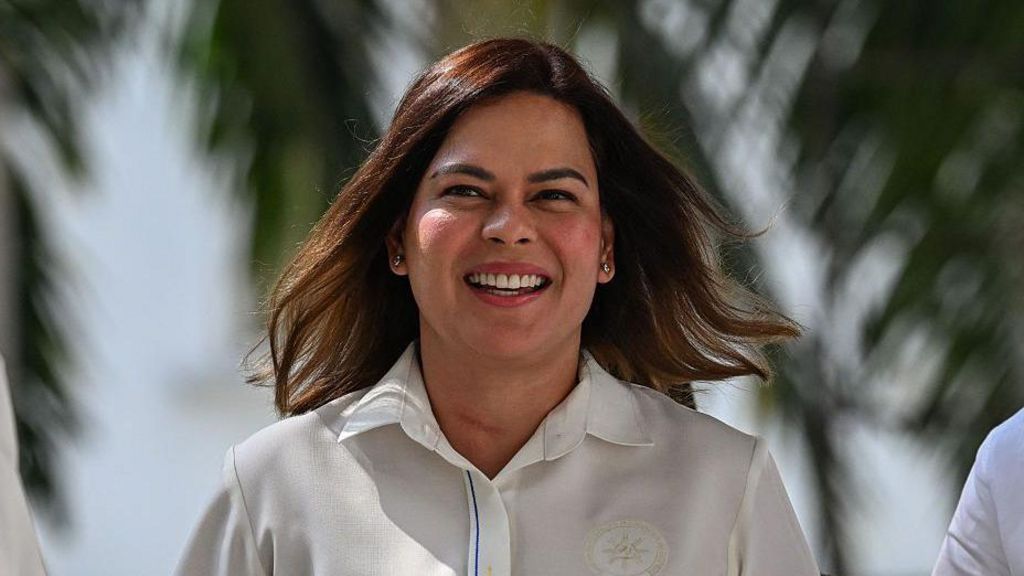
The Philippine Congress commences pivotal impeachment proceedings against Vice President Sara Duterte on March 25th, marking the climax of a spectacular political rupture between the nation’s two most powerful dynasties—the Dutertes and Marcoses. This constitutional confrontation unfolds against the backdrop of intense personal rivalries and profound implications for the country’s future leadership.
At the heart of the allegations lie two grave charges: the purported misuse of millions in public funds during Duterte’s tenure as education secretary, and threats against the life of President Ferdinand Marcos Jr. The vice president has vehemently denied all accusations, characterizing them as politically motivated harassment.
The impeachment process represents the formal collapse of what was once hailed as a ‘political dream team’—the alliance between President Marcos and Vice President Duterte that secured a landslide victory in the 2022 elections. Their partnership, forged between the scions of two authoritarian presidents, has deteriorated dramatically as they pursued divergent political agendas.
Constitutional mechanics add layers to this high-stakes drama. Unlike many systems where presidents and vice presidents run together, the Philippines elects them separately, creating inherent tensions. A single-term president seeks to consolidate power while a vice president often uses the position as a springboard for their own presidential ambitions.
The current proceedings follow a failed impeachment attempt in February 2025, which the Supreme Court nullified on technical grounds involving the one-year prohibition against multiple impeachment cases. Civil society groups, Catholic clergy, and left-wing organizations have now revived the charges with congressional support.
The House Committee on Justice will examine evidence and Duterte’s written defense, though her physical attendance remains uncertain. Should the committee endorse the articles, one-third of House members must approve to advance the case to the Senate trial, where 24 senators would serve as judges under the Supreme Court chief justice’s presiding authority. A two-thirds majority is required for conviction, which would remove Duterte from office and disqualify her from the 2028 presidential race.
Political analysts note that while the House typically aligns with the presidency, the Senate presents greater unpredictability. Senators, elected nationally rather than by district, maintain independent political agendas and allegiances that could sway the outcome.
The stakes transcend personal fortunes, representing a battle for the nation’s political soul. Marcos positions himself as the ‘tiger’ of the Ilocano-speaking north promising restoration, while Duterte embodies the ‘eagle’ from the Visayan south continuing her father’s populist crusade. With recent polls showing Duterte maintaining a 55% approval rating against Marcos’s 36%, and her allies outperforming his in midterm elections, the impeachment outcome will decisively shape Philippines’ political trajectory beyond 2028.