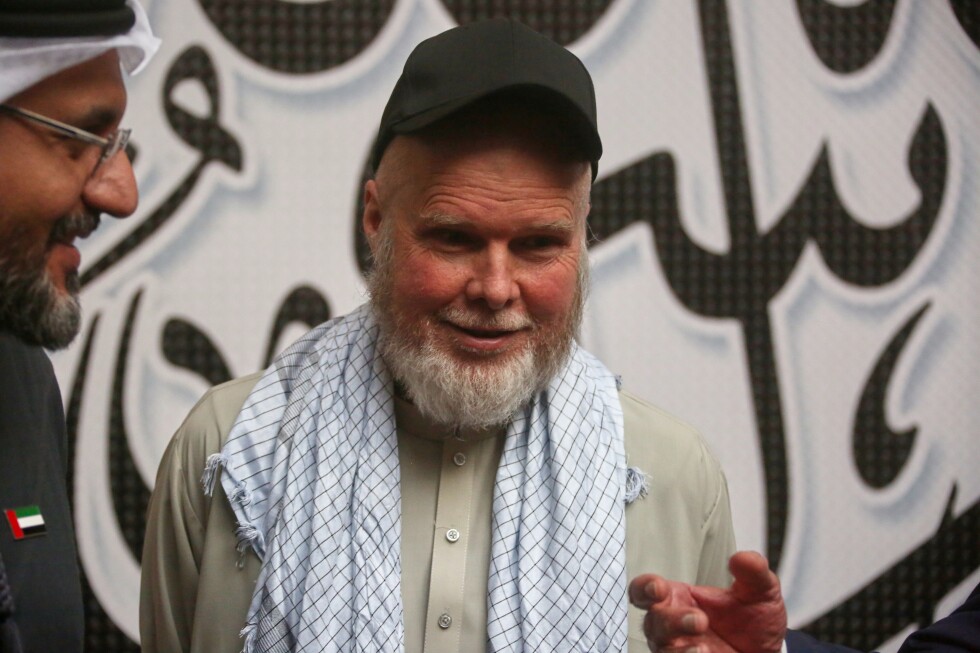
In a significant diplomatic development, Taliban authorities in Afghanistan have released American academic Dennis Coyle after detaining him for over a year. The release, announced on Tuesday, coincided with Eid al-Fitr celebrations marking the end of Ramadan.
Afghanistan’s Foreign Ministry stated that Coyle was freed in Kabul following appeals from his family and a Supreme Court determination that his previous imprisonment period was “sufficient.” The academic researcher had been held since January 2025 under unspecified legal violations that Afghan authorities never detailed.
The release occurs against a backdrop of escalating tensions between Washington and Kabul. Earlier this month, the U.S. State Department designated Afghanistan as a sponsor of wrongful detention, accusing Taliban leadership of practicing “hostage diplomacy” to extract policy concessions. This placement puts Afghanistan alongside Iran in a category of nations specifically criticized for detaining American citizens.
U.S. Secretary of State Marco Rubio welcomed Coyle’s release while emphasizing ongoing concerns. “President Trump is committed to ending unjust detentions overseas – Dennis joins over 100 Americans who have been freed in the past 15 months,” Rubio stated. He added, “While this is a positive step by the Taliban, more work needs to be done.”
Afghan officials vehemently denied allegations of using detainees for political leverage. Foreign Minister Amir Khan Muttaqi asserted that his country “has not arrested citizens of any country to achieve political goals,” maintaining that Coyle’s case had proceeded through proper judicial processes.
The diplomatic resolution involved multiple intermediaries, with both U.S. and Afghan officials thanking the United Arab Emirates for mediation efforts and acknowledging Qatar’s supportive role. The foreign ministry noted that Muttaqi had met with former U.S. Special Representative for Afghanistan Zalmay Khalilzad prior to the release.
Despite this development, at least two American citizens remain unaccounted for in Afghanistan. Mahmood Habibi, an Afghan-American businessman who disappeared in 2022, and Paul Overby, missing since 2014 while researching a book, continue to be subjects of concern for U.S. authorities and their families.
The Taliban returned to power in 2021 following the withdrawal of U.S. troops, nearly two decades after being ousted in the aftermath of the 9/11 attacks.