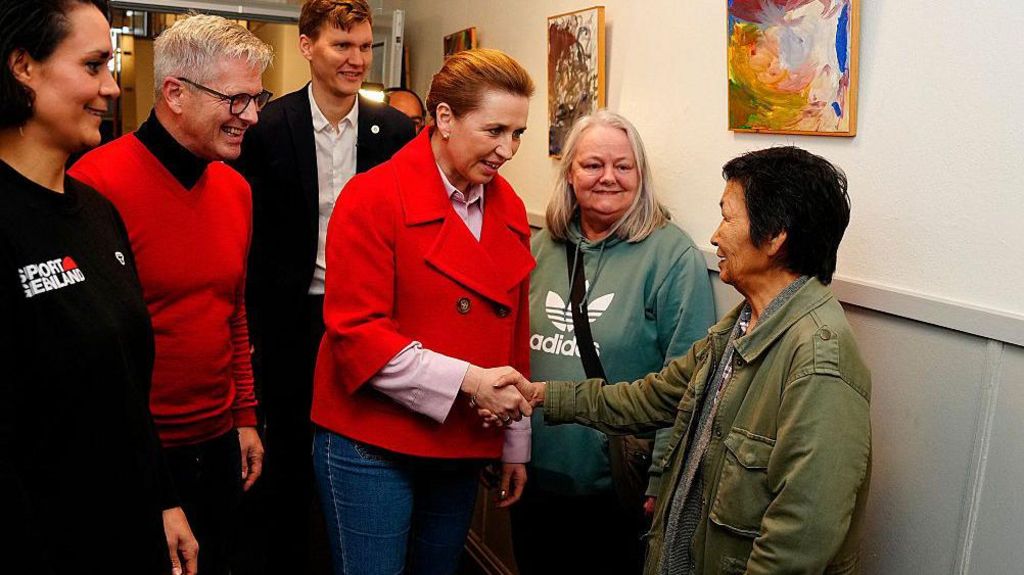
Denmark is holding a pivotal parliamentary election that will determine whether Prime Minister Mette Frederiksen secures an unprecedented third term for her Social Democrats. The 48-year-old leader called the snap election months ahead of schedule, capitalizing on a surge of popular support following her firm handling of former US President Donald Trump’s controversial proposal to annex Greenland, Denmark’s autonomous territory.
Despite this ‘Trump bump’ in approval ratings, Frederiksen faces formidable challenges from center-right opponents, particularly Defence Minister Troels Lund Poulsen’s Liberal Venstre party. Current polling indicates the Social Democrats maintain a substantial lead with over 20% support, significantly ahead of both the Liberals and the Green Left party.
The election campaign has largely centered on domestic issues rather than foreign policy, where broad consensus exists across Danish politics. Economic stability, rising living costs, and environmental concerns have dominated voter discussions. Frederiksen has proposed implementing a 0.5% wealth tax targeting Denmark’s wealthiest 20,000 citizens, while mounting worries about pesticide contamination in drinking water from agricultural activities have emerged as key environmental issues.
However, electoral mathematics suggests neither the left-leaning ‘red’ bloc nor the right-leaning ‘blue’ bloc will secure the required 90 parliamentary seats for majority control. This deadlock positions Foreign Minister Lars Løkke Rasmussen’s centrist Moderates as potential kingmakers in coalition negotiations. Additionally, four parliamentary seats representing Greenland and the Faroe Islands could prove decisive, with indications that at least one Greenlandic seat might shift from left to right alignment for the first time in decades.
Rasmussen, who garnered significant praise for his diplomatic handling of the Greenland standoff, has expressed interest in serving as royal investigator—a crucial role in forming governing coalitions—though he has explicitly denied aspirations to reclaim the prime minister’s office he held for two previous terms.