In the darkened wards of Havana’s Ramón González Coro maternity hospital, a profound humanitarian crisis unfolds as pregnant women confront the compounding challenges of nationwide blackouts and a crippling economic blockade. The Trump administration’s near-total fuel embargo, imposed three months ago following the removal of Venezuelan leader Nicolás Maduro, has plunged Cuba into an energy catastrophe with dire consequences for maternal healthcare.
Among the 32,800 pregnant women currently documented in Cuba, 26-year-old Mauren Echevarría Peña represents a fortunate minority receiving adequate medical attention. Despite battling gestational diabetes and chronic hypertension under constant supervision, she faces imminent delivery amid unpredictable power failures. ‘They’ve done everything possible for me at the hospital,’ Mauren acknowledges, expressing gratitude for medical staff working tirelessly without reliable electricity. Yet she openly fears giving birth during another blackout, despite hospital generators that struggle without sufficient fuel.
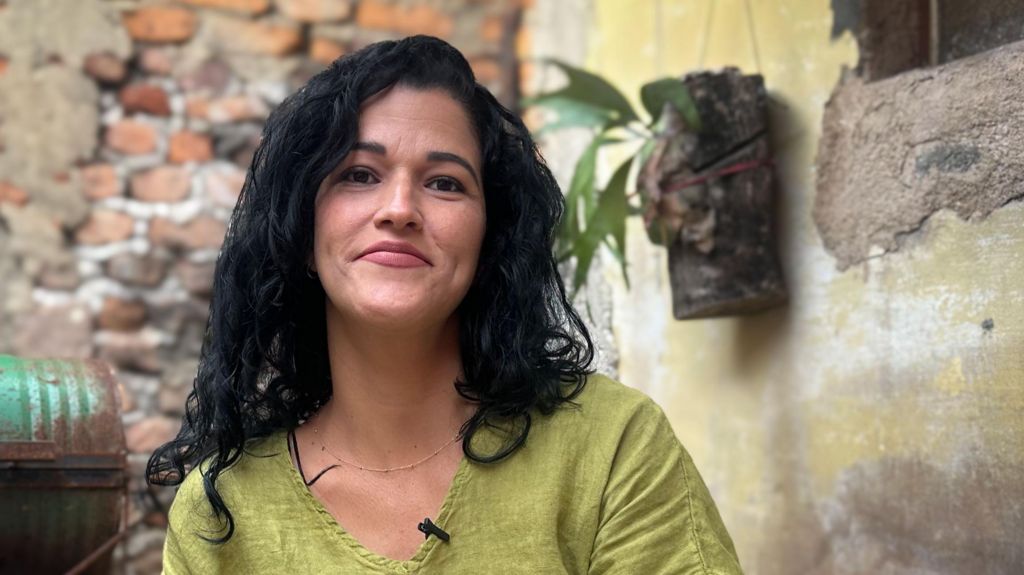
In stark contrast, seven-months-pregnant Indira Martínez embodies the reality for most Cuban expectant mothers. In her Havana suburb home, empty refrigerators and non-functional electric stoves force dependence on a makeshift charcoal grill. ‘You must cook whatever is available when power briefly returns,’ explains the former IT technician turned hairstylist, noting her nutritional intake fails to meet pregnancy requirements. Having survived chikungunya virus during her first trimester, Indira now confronts deeper anxieties about her daughter’s future. ‘How am I going to tell her she has no prospects in life? Because she won’t have any,’ she states with devastating clarity, citing deteriorated education systems and nonexistent economic opportunities.
International solidarity movements have delivered humanitarian aid including powdered milk for pregnant mothers, but many recipients report never receiving these supplies. The situation exacerbates Cuba’s demographic crisis characterized by an ageing population, low birth rates, and significant outward migration. Even before the fuel blockade, young Cubans increasingly hesitated to start families on the island. Now, as blackouts persist and economic prospects dim, babies like Mauren’s son and Indira’s daughter Ainoa enter the world during arguably the most challenging period in modern Cuban history.