BUDAPEST — Hungary’s political landscape has been rocked by explosive allegations that Prime Minister Viktor Orbán’s government systematically provided Moscow with confidential intelligence from European Union Council meetings, prompting calls for treason investigations from opposition leaders.
Péter Magyar, the leading opposition figure and frontrunner in upcoming parliamentary elections, declared the alleged backchannel between Budapest and Moscow constitutes “treason against Hungarian and European interests.” In a social media statement, Magyar specifically implicated Foreign Minister Péter Szijjártó in what he characterized as collusion with Russian officials.
“Should these allegations be substantiated, this would represent high treason carrying potential life imprisonment,” Magyar asserted. “A future TISZA government will initiate immediate investigation into this matter upon taking office.”
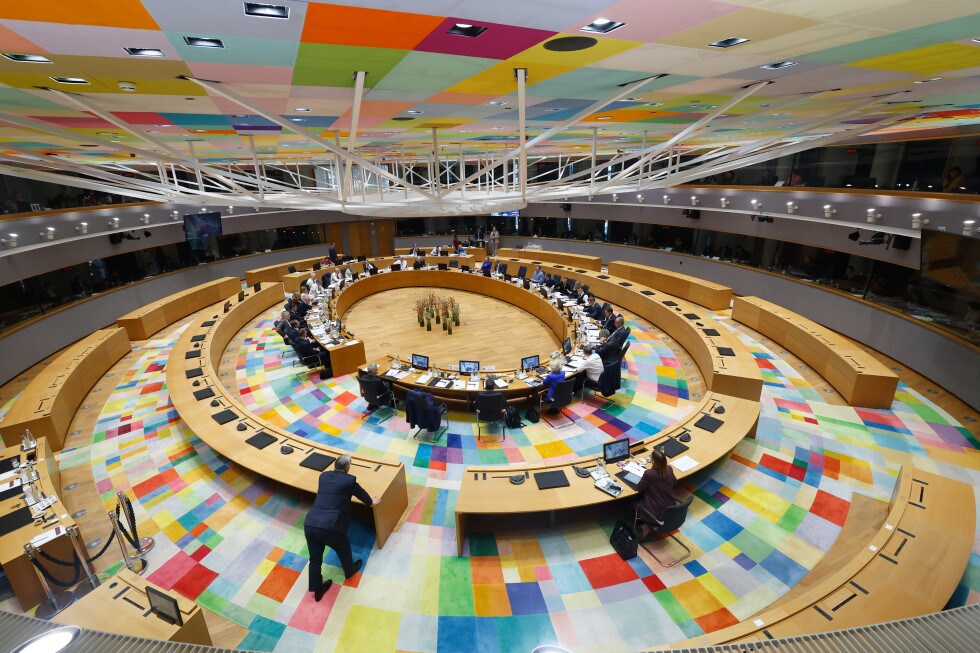
The allegations, originally reported by The Washington Post citing multiple European security officials, suggest Orbán’s administration has consistently granted Russia access to sensitive EU deliberations. According to these sources, Szijjártó regularly contacted Russian Foreign Minister Sergei Lavrov during breaks in EU meetings—including last Thursday’s summit of bloc leaders—to provide real-time updates on discussions and potential resolutions.
One security official stated that “every single EU meeting for years has essentially featured Moscow’s invisible presence at the negotiation table” due to these communications. The report notes Szijjártó has made 16 official visits to Moscow since Russia’s full-scale invasion of Ukraine in 2022, including a recent March 4 meeting with President Vladimir Putin.
In response, Orbán ordered an investigation into what he termed illegal “wiretapping” of his foreign minister rather than addressing the espionage allegations directly. “The surveillance of a government member represents a serious attack on Hungary’s sovereignty,” Orbán declared.
The European Commission has formally requested clarification from Budapest, with spokesperson Anitta Hipper emphasizing that “trust between member states and institutions remains fundamental to EU operations. We anticipate the Hungarian government’s prompt transparency regarding these serious claims.”
These developments occur amidst severely strained relations between Hungary and fellow EU members, particularly following Orbán’s withdrawal from a €90 billion Ukrainian loan agreement earlier this month. Polish Prime Minister Donald Tusk, a frequent Orbán critic, noted the allegations “should surprise nobody” given longstanding suspicions about Budapest-Moscow coordination.
The political firestorm emerges just three weeks before parliamentary elections that could unseat Orbán’s nationalist Fidesz party after 14 years in power, with the opposition TISZA party currently leading in polls.