BRUSSELS — After more than a quarter-century of complex negotiations, the landmark European Union-Mercosur free trade agreement will officially take effect on May 1, establishing one of the world’s most significant economic partnerships spanning two continents. The activation follows Paraguay’s formal notification to Brussels that it had completed ratification procedures, triggering the agreement’s implementation clause.
The comprehensive trade deal connects the 27-nation European Union with the Mercosur bloc comprising Brazil, Argentina, Uruguay, and Paraguay, creating an integrated market encompassing over 700 million consumers and representing approximately 25% of global GDP. Bolivia, Mercosur’s newest member state, did not participate in initial negotiations but retains eligibility to join the arrangement in subsequent years.
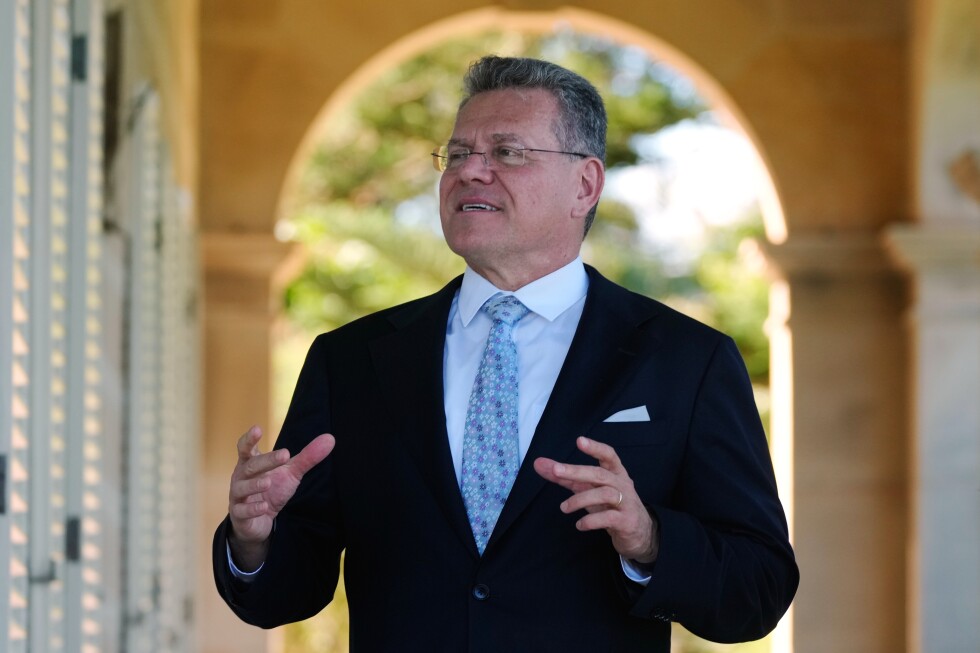
European Trade Commissioner Maroš Šefčovič emphasized the agreement’s strategic importance, stating: “The priority now is transforming this EU-Mercosur agreement into concrete outcomes, providing EU exporters the platform they need to seize new opportunities for trade, growth, and employment.”
The path to implementation encountered significant obstacles, including fierce opposition from European agricultural sectors and environmental advocates that delayed progress in December. The agreement faced further complications when EU lawmakers voted to refer the pact to the bloc’s judiciary for review. In response, the European Commission opted for provisional application—a maneuver that effectively bypasses parliamentary approval while awaiting judicial assessment.
This provisional approach means trade liberalization measures will commence in May, subject to potential suspension only if the European Court of Justice rules against the agreement’s legality. French President Emmanuel Macron criticized this implementation strategy as “a bad surprise,” with France and Poland leading efforts to incorporate stronger protective clauses for consumers and agricultural producers.
European Commission President Ursula von der Leyen has consistently defended the agreement as essential for EU resilience in an increasingly uncertain global economic landscape. “This is about resilience, this is about growth, and Europe shaping its own future,” she declared during a February news conference. The Commission president is currently in Australia pursuing similar trade and critical mineral agreements, underscoring the EU’s broader strategy to diversify economic partnerships beyond China and the United States.