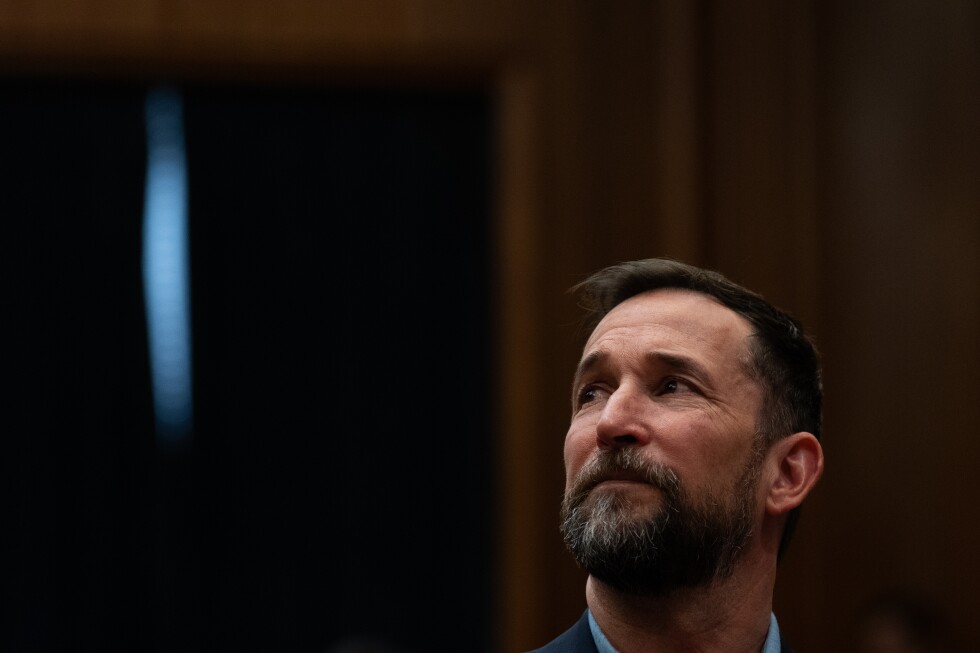
BURBANK, Calif. — The acclaimed HBO Max medical drama “The Pitt” has become a flagship example of successful Hollywood production revitalization, demonstrating that California’s entertainment industry can compete despite widespread outsourcing to locations with more favorable economic conditions. Executive producer and star Noah Wyle presented the series as a compelling “proof of concept” during a congressional hearing organized by Senator Adam Schiff at Burbank City Hall.
The series, which secured multiple Emmy Awards including Best Drama for its debut season, has generated approximately 600 production jobs and contributed an estimated $125 million to California’s economy through its first season alone. Wyle attributed this success directly to California’s recently enhanced production tax incentive programs, which enabled the Pittsburgh-set drama to film primarily within the Warner Bros. studio complex in Burbank.
“I was invited to share a success narrative today,” Wyle stated. “I’m pleased to confirm we’ll begin filming our third season this summer, demonstrating that a rising tide genuinely lifts all vessels.” The actor, who previously spent fifteen years on NBC’s “ER,” emphasized the personal and professional significance of working closer to home after years of location shooting that kept him from his family.
The hearing addressed broader industry concerns, including potential consolidation effects from Paramount’s pending acquisition of Warner Bros. Discovery. Legislators and industry representatives expressed apprehension that such mergers could diminish local production volumes and eliminate jobs. Congresswoman Laura Friedman, whose district encompasses Burbank’s studio facilities, countered criticisms of entertainment industry subsidies, noting that “Hollywood isn’t requesting exceptional treatment—this represents standard practice across the United States for valued industries.”
International Alliance of Theatrical Stage Employees President Matthew Loeb acknowledged concerning trends, including Marvel’s recent relocation of its production hub from Georgia to England, but highlighted the relative mobility of film production compared to other industries. The discussion consistently returned to the extensive ecosystem of supporting businesses—from hospitality services to equipment vendors—that depend on consistent local production activity.
Congresswoman Sydney Kamlager-Dove illustrated this interconnectedness with an anecdote about her acupuncturist pleading for entertainment job restoration, emphasizing how broadly the industry’s health affects Southern California’s economy. Participants agreed that federalizing production tax incentives currently administered at state level could provide more stability for an industry confronting unprecedented geographic and corporate challenges.