France’s municipal elections reach their decisive second round on Sunday, transforming local mayoral contests into a critical testing ground for national political alliances ahead of the 2027 presidential election. The electoral landscape reveals deep ideological realignments and strategic maneuvering across the political spectrum.
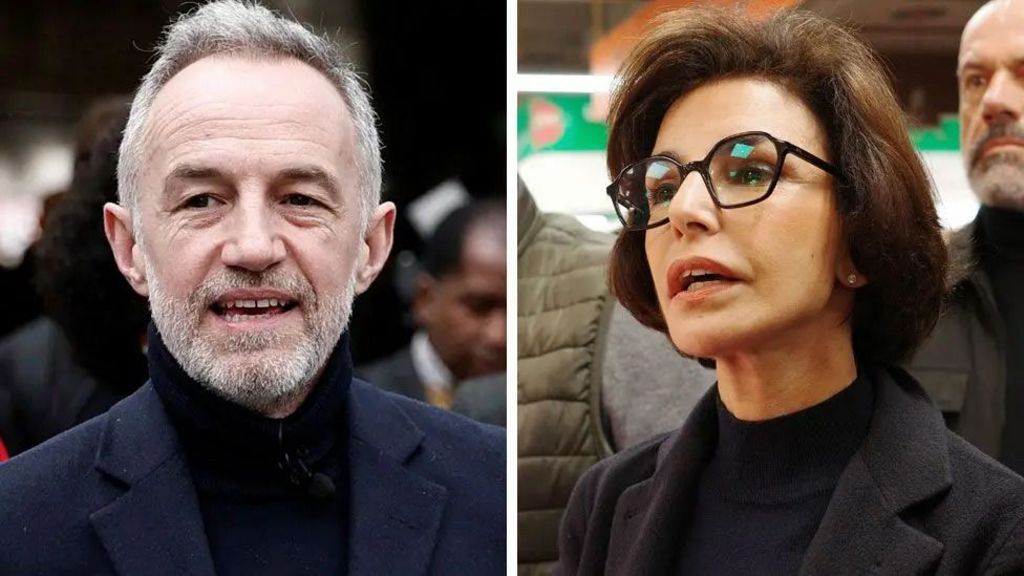
In Paris, the political establishment faces potential upheaval as center-right candidate Rachida Dati challenges Socialist Emmanuel Grégoire’s lead after 25 years of left-wing governance. The capital’s race represents one of several high-stakes contests that could signal significant shifts in French political dynamics.
The most consequential development emerges from the hard-left France Unbowed (LFI) party, which has forged electoral pacts with Socialist and Green parties in 26 major cities including Toulouse, Nantes, and Lyon. These controversial alliances, dubbed ‘alliances of shame’ by right-wing opponents, aim to consolidate anti-right votes despite recent condemnations of LFI’s tactics.
Toulouse exemplifies this political experiment, where center-right Mayor Jean-Luc Moudenc’s first-round lead now faces a united left-wing front combining LFI’s François Piquemal and Socialist François Briançon. The outcome will test voter acceptance of these hastily formed coalitions, particularly following allegations of antisemitism against LFI leader Jean-Luc Mélenchon and concerns about sectarian voting strategies.
The alliances emerge amidst heightened tensions following the murder of a far-right student in Lyon by suspected far-left militants, including an LFI parliamentary assistant. Mainstream Socialists had previously vowed to avoid national coalitions with LFI unless the party reformed its approach, making these municipal pacts particularly significant.
Beyond left-wing maneuvering, the elections reveal broader political dynamics. In Marseille, Socialist incumbent Benoît Payan benefits from LFI’s withdrawal while facing RN challenger Franck Allisio, who struggles with divided right-wing support. Nice appears poised to elect Eric Ciotti of the RN-allied UDR party, representing a potential hard-right breakthrough.
Centrists find encouragement in former Prime Minister Édouard Philippe’s strong first-round performance in Le Havre, boosting his presidential credentials. Meanwhile, Paris’s Socialist candidate notably rejected alliance with LFI, reflecting ongoing tensions within the left.
Political analysts view these municipal contests as a crucial indicator of Mélenchon’s growing influence and his strategy to position LFI as the primary left-wing force against Marine Le Pen’s National Rally in the upcoming presidential election.