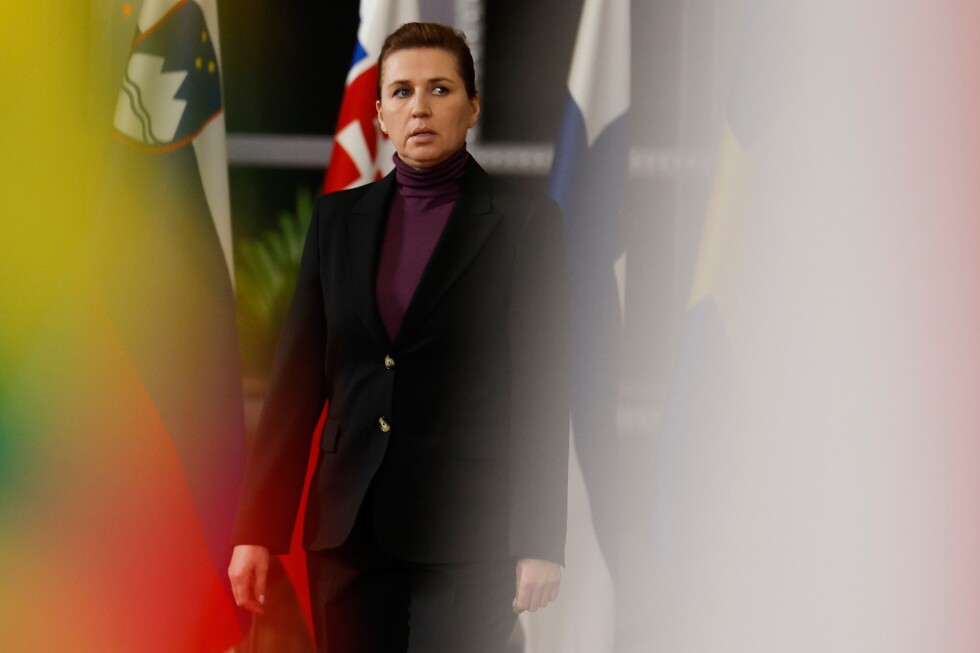
Danish citizens are preparing to cast their votes in a consequential general election that will determine the nation’s leadership for the coming four-year term. This political contest emerges against the backdrop of a notable diplomatic confrontation with former U.S. President Donald Trump regarding Greenland’s status within the Danish realm.
Prime Minister Mette Frederiksen, strategically timing the election announcement last month, appears to be capitalizing on her firm handling of the Greenland territorial dispute. The 48-year-old Social Democratic leader, who has governed since 2019, seeks an unprecedented third consecutive term. Her administration has garnered international recognition for steadfast support of Ukraine against Russian aggression while maintaining restrictive immigration policies.
Despite facing declining popularity due to rising living costs, Frederiksen experienced a resurgence in polling numbers following her government’s navigation of the Greenland crisis. The situation escalated in January when Trump briefly threatened tariffs against European nations opposing U.S. sovereignty claims over the Arctic territory.
Election analyst Kasper Møller Hansen from the University of Copenhagen predicts Frederiksen will likely retain power, though potentially with her party’s weakest performance yet, possibly falling short of their 2022 vote share of 27.5% while maintaining first place.
The prime minister faces challenges from center-right opponents, including Defense Minister Troels Lund Poulsen’s Liberal Party and Alex Vanopslagh’s Liberal Alliance, which advocates for tax reduction, bureaucratic simplification, and nuclear energy adoption. However, Vanopslagh’s admission of past cocaine use may undermine his campaign.
Immigration policy remains a heated issue, with Frederiksen proposing stricter measures including an “emergency brake” on asylum applications and enhanced deportation protocols for convicted foreign nationals. Denmark received only 1,961 asylum applications last year, dramatically fewer than the 21,000 processed during the 2015 migration crisis.
Domestic concerns including cost of living, pension reforms, and even agricultural policy regarding pig production levels have emerged as unexpected campaign issues. The left-wing Alternative party advocates for substantial reductions in animal production and improved welfare standards.
The election will also test Greenland’s political leadership, where Prime Minister Jens-Frederik Nielsen faces governance challenges after coalition fractures emerged during the campaign period.
Voters will elect representatives to the 179-seat Folketing, including two seats each from Greenland and the Faroe Islands. With over 4.3 million eligible voters, high participation is anticipated, building upon the 84.2% turnout recorded in the 2022 election.