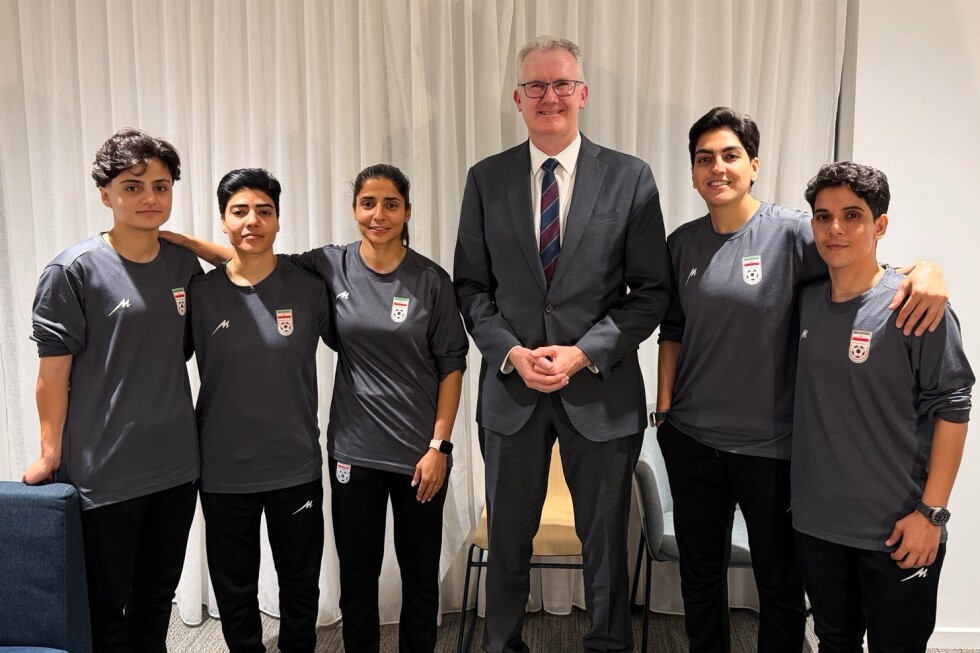
A high-stakes diplomatic confrontation between Iran, the United States, and Australia regarding seven members of Iran’s women’s soccer team has culminated with the majority returning to Tehran while two players remain in Australia under protection visas.
The controversial episode began when five team members initially accepted asylum offers in Australia following their elimination from the Women’s Asian Cup tournament. Within days, however, all but two players reversed their decisions and rejoined their team in Kuala Lumpur before ultimately returning to Iran.
Refugee advocates have criticized the handling of the situation, arguing that political posturing overshadowed the welfare concerns of the athletes. Graham Thom of the Refugee Council of Australia described the outcome as ‘far from ideal,’ noting concerns about whether the women received adequate independent legal counsel during the rushed process.
The situation escalated into an international spectacle when U.S. President Donald Trump publicly intervened via social media, urging Australia to grant asylum and personally discussing the matter with Australian Prime Minister Anthony Albanese. This highly public approach marked a departure from Australia’s traditional practice of handling asylum claims discreetly.
Iranian officials claimed victory in what they characterized as a propaganda battle, with Foreign Ministry spokesman Esmaeil Baghaei accusing Australian authorities of coercing the women into signing visa documents under false pretenses. Australia has denied applying pressure on the athletes regarding their stay or departure.
Experts suggest the women’s initial silent protest during the national anthem—a gesture that attracted global attention—unintentionally transformed them into symbols of resistance, drawing them into a geopolitical conflict between opposing powers. The reasons behind the five players’ decision to return remain undisclosed, though concerns about potential threats to family members in Iran have been raised by advocates.
The two remaining players, Fatemeh Pasandideh and Atefeh Ramezanisadeh, continue to receive Australian government support while the returned athletes were met with an official welcome ceremony in Iran, where midfielder Fatemeh Shaban publicly expressed happiness about returning to her homeland.