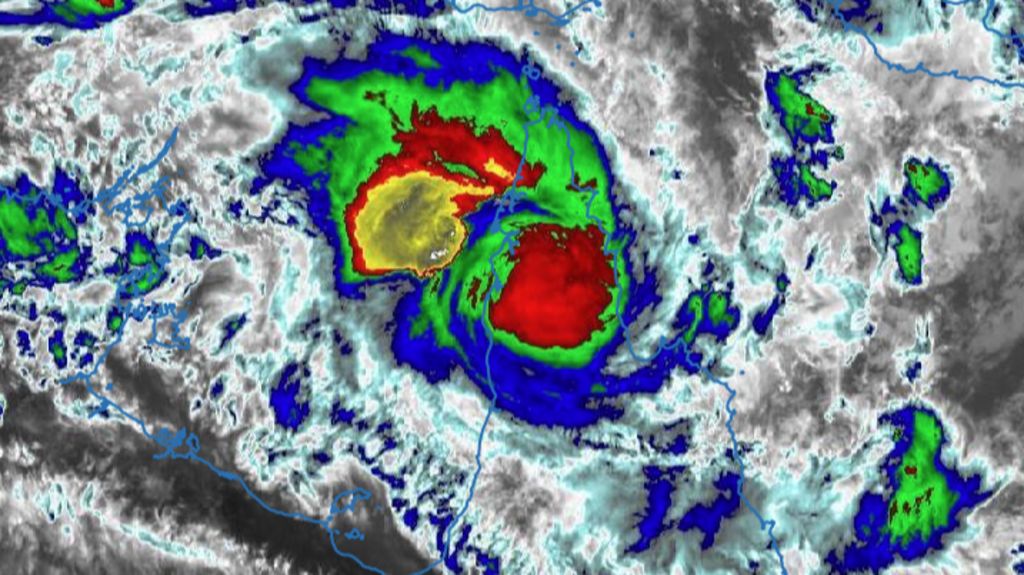
A major weather emergency unfolded across northern Australia on Friday as Tropical Cyclone Narelle made landfall, bringing catastrophic winds and torrential rainfall to the Cape York Peninsula in Far North Queensland. The powerful storm system initially struck the coast as a severe Category 4 cyclone with wind gusts reaching 220 km/h (137 mph) before weakening to Category 3 intensity, according to the Bureau of Meteorology.
The cyclone’s impact has been widespread, with emergency services reporting significant damage including roof losses, downed trees, and power outages affecting approximately 3,500 homes across regional Queensland. While the small community of Coen (population 350) was initially expected to bear the brunt of the storm, residents north of the town reported substantial structural damage, with one local describing “losing roofs everywhere” in interviews with the ABC.
Queensland Premier David Crisafulli warned that many residents were experiencing the strongest winds witnessed in the region “for a long, long time,” noting that the cyclone system contained “a lot of rain” that threatened already saturated catchments. Meteorological authorities forecast up to 500mm of rainfall in some areas, creating dangerous flash flooding conditions across the peninsula.
Emergency response efforts have been mobilized comprehensively, with police and rescue crews deploying helicopters, boats, medical teams, and additional electrical crews to affected areas. State Disaster Coordinator Chris Stream urgently advised residents to shelter in place, cautioning against any false sense of security during the eye’s passage and emphasizing that “we cannot underestimate the potential risk to life.”
The cyclone’s effects extended surprisingly far south, with the tourist destination of Port Douglas—approximately 400km from the landfall location—experiencing significant beach erosion. Further south in Cairns, northern beaches suffered substantial erosion as well.
Meteorological projections indicate Narelle will continue moving across the Cape York peninsula, potentially affecting predominantly Indigenous communities, before crossing the Gulf of Carpentaria. Weather experts warn that warm waters in the Gulf could cause the cyclone to reintensify as it approaches the Northern Territory. As a precautionary measure, hundreds of residents from the remote community of Numbulwar have already been evacuated to Darwin.