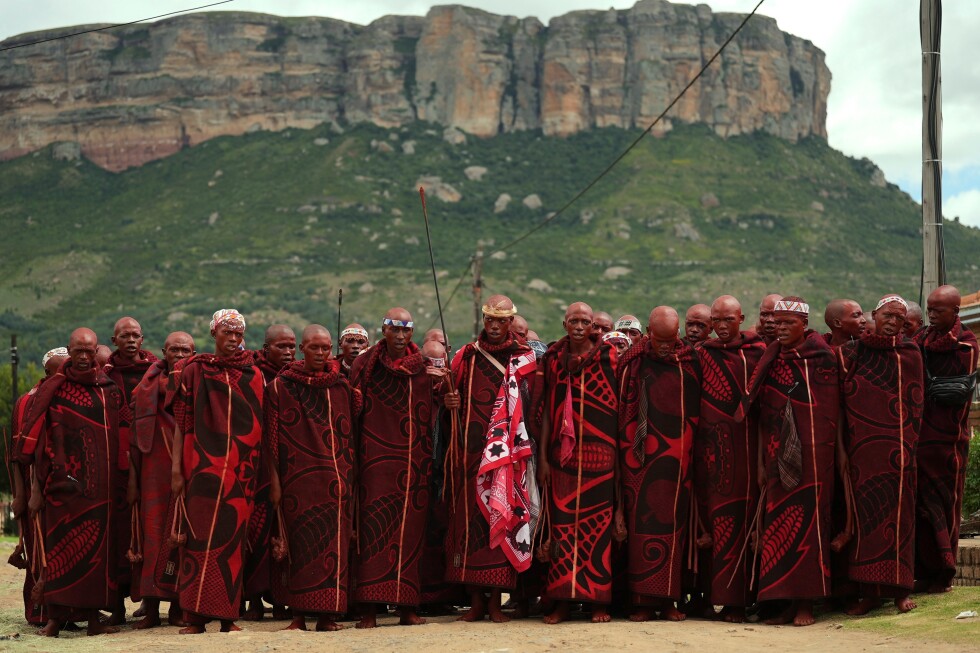
In the rolling hills of South Africa’s Eastern Cape province, a cultural tradition meant to mark the transition to manhood has instead become a recurring tragedy. The recent death of 22-year-old Lamkelo Mtyho—a healthy young man with no known medical conditions—has exposed the dangerous underbelly of the nation’s initiation ceremonies, where at least 48 other boys and young men perished in the latest seasonal round.
This deeply secretive practice, shrouded in cultural significance and participant silence, continues despite mounting deaths. Families like Mtyho’s grant their blessing for registered initiation schools, expecting their sons to return as culturally knowledgeable men. Instead, many receive the devastating news that their children collapsed from dehydration or succumbed to septic wounds in remote settings far from medical help.
The practice occurs twice annually, with the next season beginning in June. While government-regulated schools exist with strict health standards, economic inequality drives many toward illegal operations. In the OR Tambo municipality alone, lawmakers found more illegal schools (68) than legal ones (66) during a 2022 visit.
South African authorities have attempted reform through the 2021 law requiring initiation schools to meet rigorous safety standards, including proper surgical tools, hygiene training, and HIV awareness. Yet enforcement remains challenging due to the ritual’s sacred secrecy and remote locations. Recent months have seen at least 46 arrests related to illegal schools, including traditional surgeons, nurses, and complicit parents.
Cultural leaders acknowledge the crisis. Morena Mpembe, a traditional leader overseeing a registered school in Phuthaditjhaba, emphasizes that initiation teaches respect and cultural values, but condemns how illegal operations are “damaging the initiation’s image.” Former Health Minister Zwelini Mkhize told parliament that 476 young people died in initiation ceremonies over a five-year period—”unacceptable and should never have happened.”
For grieving families like Mtyho’s grandmother Nozinzile, the loss is personal and permanent. Her eldest grandson, who aspired to become “the man of the house,” now exists only in memory and the unfinished chores he left behind.