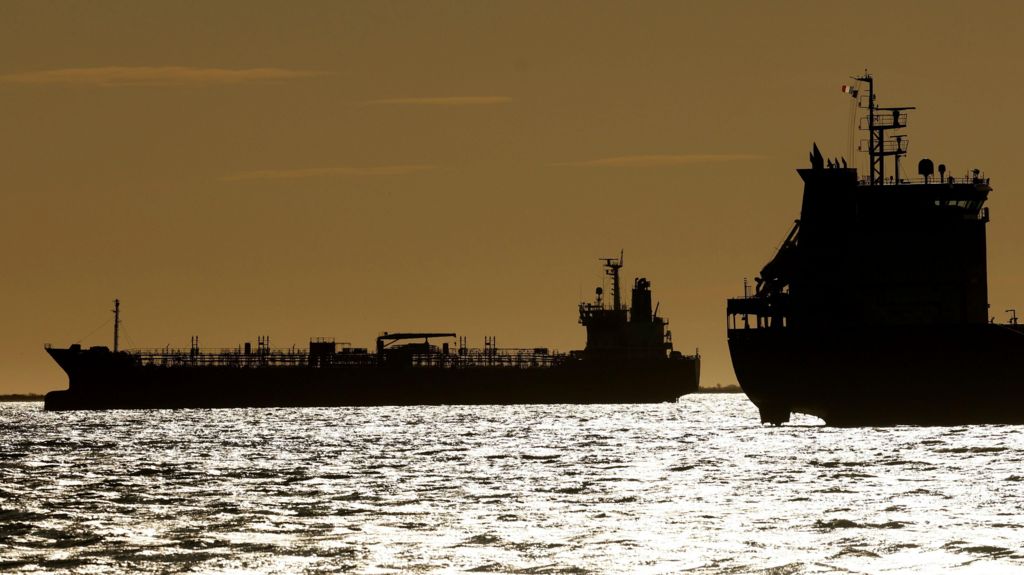
In a dramatic policy shift, the United States is evaluating the temporary suspension of sanctions on certain Iranian oil exports as it confronts escalating energy market turmoil stemming from the ongoing conflict in Iran. Treasury Secretary Scott Bessent unveiled this unconventional approach during a Thursday appearance on Fox Business’s ‘Mornings with Maria,’ positing that it could liberate additional crude supplies for international purchasers.
The initiative, if implemented, would constitute a remarkable departure from decades of American foreign policy toward Iran. Secretary Bessent specified that the administration is contemplating authorizing the sale of approximately 140 million barrels of Iranian oil already positioned aboard tankers at sea. He projected this could transiently reduce global oil prices for a period of 10 to 14 days. A core element of the proposal involves diverting shipments away from China—which has been the primary beneficiary of heavily discounted Iranian crude—toward allied nations like India, Japan, and Malaysia, thereby forcing Beijing to pay prevailing market rates.
However, the strategy has ignited intense skepticism and criticism from sanctions experts and policymakers. David Tannenbaum of Blackstone Compliance Services lambasted the concept as ‘bananas,’ warning that it risks funneling substantial revenue to the very Iranian regime the U.S. is militarily engaged against. The practical challenges of preventing funds from reaching Tehran’s coffers remain a significant, unresolved hurdle.
This deliberation occurs against a backdrop of severe market disruption. The war has effectively halted shipping through the critical Strait of Hormuz, a chokepoint for roughly 20% of daily global oil transit. Experts estimate the conflict has already removed approximately 10% of the world’s oil supply from the market. Compounding these worries, recent attacks on a major Iran-Qatar gas field have raised fears of long-term damage to fossil fuel infrastructure, threatening capacity constraints for years to come.
The Biden administration’s exploration of this tool underscores a palpable desperation to mitigate an historic energy shock, following other recent moves like tapping strategic petroleum reserves and suspending some Russian oil sanctions. Yet, the potential Iranian waiver faces substantial political headwinds; the House of Representatives just passed a bill designed to strengthen, not relax, sanctions on Iran’s energy sector. The Treasury Department has declined to elaborate on the mechanics of the proposal, and President Trump offered only an ambiguous non-answer when questioned on the matter, stating the administration will ‘do whatever is necessary’ to control prices.