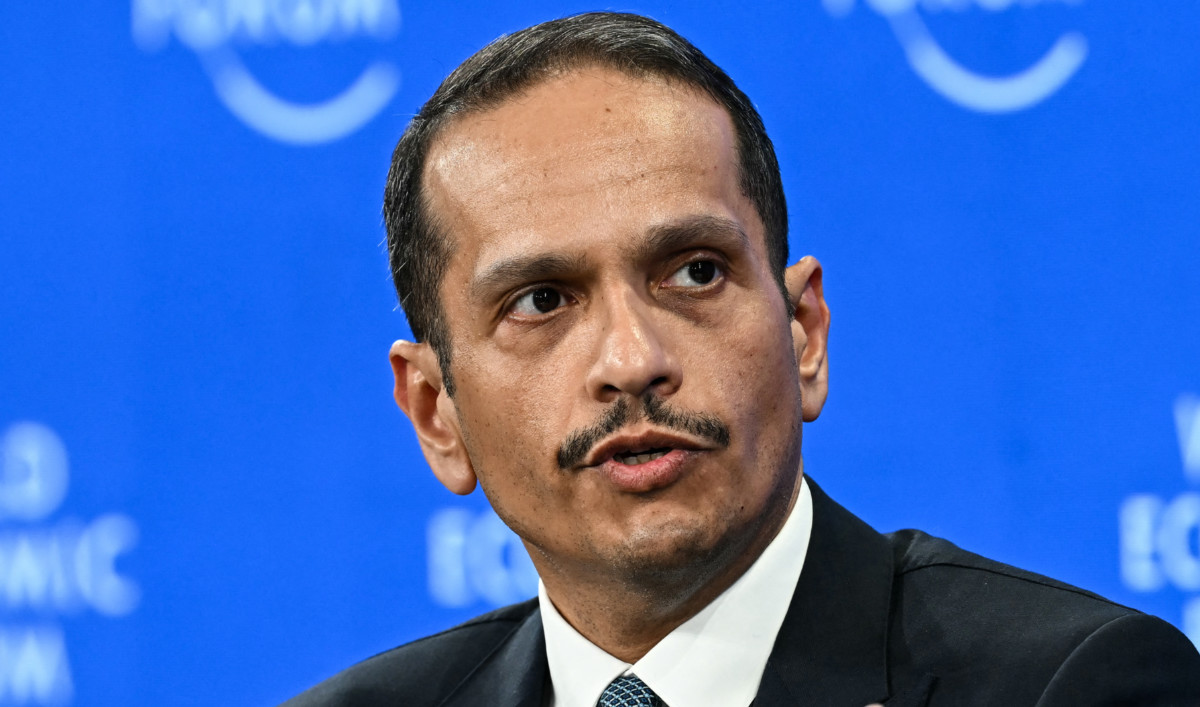
In a significant diplomatic development, Qatar has become the first major Gulf energy producer to issue an unconditional demand for the immediate cessation of hostilities between US-Israeli forces and Iran. The call came during a joint press conference in Doha on Thursday where Qatari Prime Minister Sheikh Mohammed bin Abdulrahman al-Thani stood alongside Turkish Foreign Minister Hakan Fidan.
“This war needs to stop immediately. The aggression needs to stop immediately,” stated Sheikh Mohammed, marking a notable departure from the more conditional stance taken by other Arab and Muslim nations. Just one day earlier, a collective statement from eleven nations including Egypt, Saudi Arabia, Turkey, and the UAE had specifically called for an end to Iranian attacks without demanding a comprehensive ceasefire.
The Qatari position carries substantial weight given the country’s critical role in global energy markets. The conflict has already inflicted severe damage on Qatar’s energy infrastructure, with QatarEnergy CEO Saad al-Kaabi revealing that recent Iranian missile strikes severely damaged the Ras Laffan liquefied natural gas (LNG) facility. The attack reportedly knocked out 17% of Qatar’s LNG export capacity, resulting in an estimated $20 billion in annual lost revenue with repairs expected to take three to five years.
The Prime Minister’s remarks included a pointed reference to regional dynamics, noting that “everyone knows who the main beneficiary of this war is,” a statement widely interpreted as criticism of Israel. This aligns with assessments that Israel’s earlier strikes on Iran’s South Pars gas field precipitated the current escalation.
The economic implications extend far beyond Qatar’s borders. As supplier of approximately 20% of global LNG, Qatar’s reduced capacity is already triggering price surges in Asian and European markets. Energy analysts confirm there are no immediate alternatives to Qatari gas supplies.
Meanwhile, Omani Foreign Minister Badr bin Hamad al-Busaidi published an analysis in The Economist arguing that continued conflict serves neither American nor Iranian interests, suggesting Israel seeks to prolong hostilities to undermine the Islamic Republic.
The conflict has also demonstrated Iran’s expanded military reach, with attacks reaching deep into Saudi Arabia targeting the vicinity of Yanbu, the kingdom’s crucial Red Sea crude export facility, highlighting Iran’s capacity to project power beyond the strategically vital Strait of Hormuz which it effectively controls.