The escalating conflict in the Middle East has triggered a severe energy crisis across Asia, forcing governments to implement emergency measures as supply disruptions ripple through economies heavily dependent on imported fuels. With the strategic Strait of Hormuz becoming increasingly precarious, approximately 90 vessels—primarily from India, Pakistan, and China—have successfully navigated this critical chokepoint since hostilities intensified on February 28.
According to Michael Williamson of the United Nations Economic and Social Commission for Asia and the Pacific, the Asia region faces disproportionate exposure to these supply disruptions. Ramnath Iyer of the Institute for Energy Economics and Financial Analysis warns of potential ‘cascading impacts into all economic activities’ across the continent.
Japan, which relies on the strait for 93% of its oil imports, has responded by releasing strategic reserves—15 days from private stockpiles followed by a month’s supply from national reserves. Despite maintaining approximately 250 days of reserves, analysts caution about potential parallels to the 1970s oil shock, prompting calls for accelerated renewable energy adoption.
South Korea, importing 70% of its oil and 20% of liquefied natural gas from the Middle East, is bolstering energy security through increased coal-fired power generation, expanded nuclear output, and potential resumption of Russian crude imports.
China remains relatively insulated due to substantial strategic reserves and renewable energy accounting for 30% of its power mix, though consumers face rising travel costs as airlines increase fares on international routes.
Vietnam’s export-driven industries confront rising production expenses, with steel, textiles, and footwear manufacturers reporting increased input prices. Transportation and agriculture sectors face diesel price hikes, while aviation authorities warn of potential jet fuel shortages.
Thailand has suspended petroleum exports and increased coal and hydropower generation after disruptions to LNG supplies from the Middle East. Indonesia faces difficult decisions regarding energy subsidies post-Eid al-Fitr, while the Philippines has initiated cash assistance programs for transportation workers and reduced government workweeks.
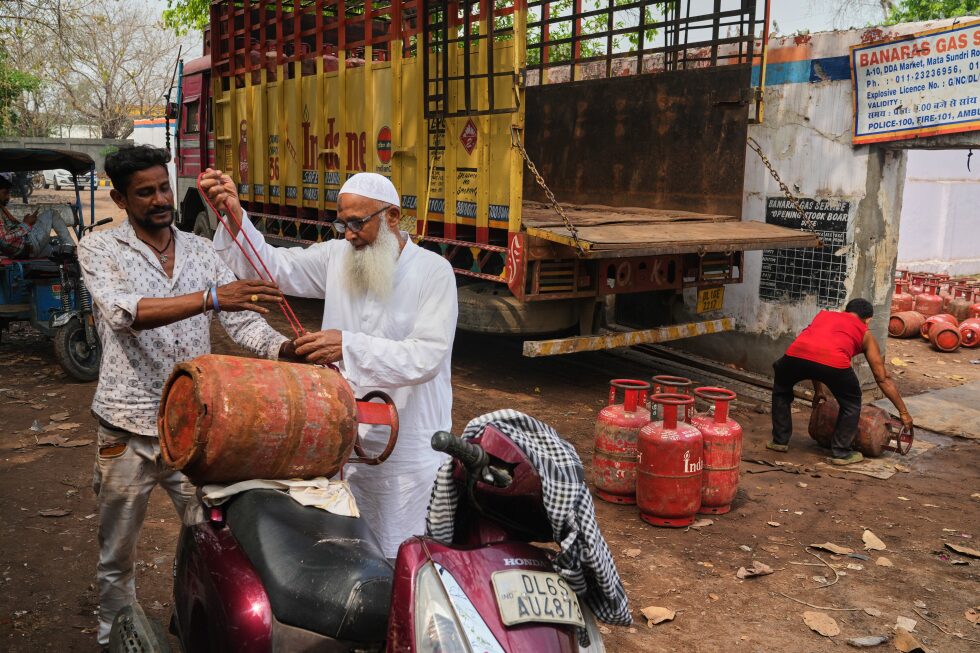
Pakistan has implemented school closures, reduced government fuel allocations, and canceled national celebrations to conserve energy. India has prioritized household cooking gas distribution, affecting commercial users, while Nepal has instituted cooking gas rationing and promoted induction cookers as alternatives.