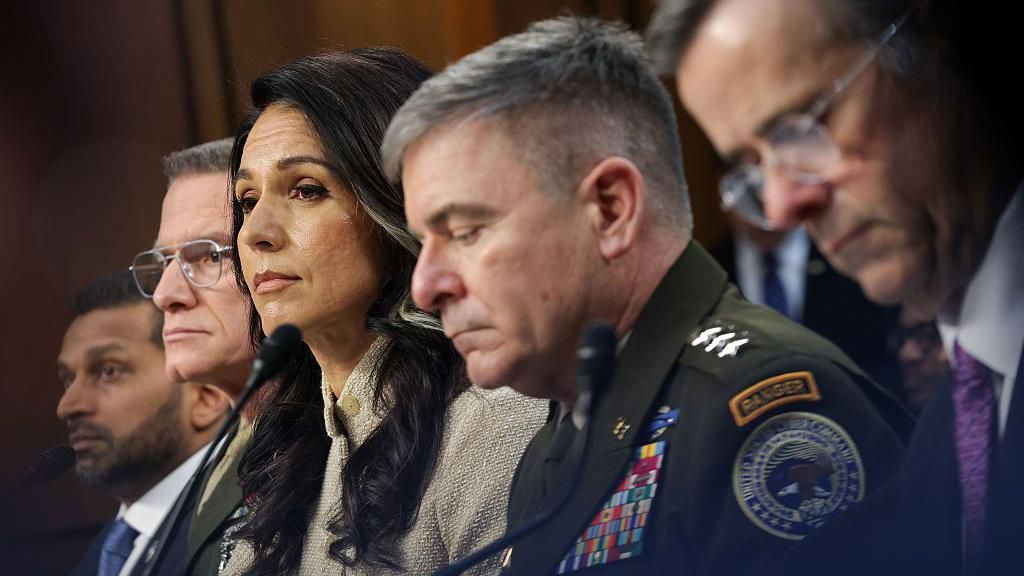
In a significant congressional hearing on global threats, US Director of National Intelligence Tulsi Gabbard characterized Iran’s regime as structurally “intact” but operationally “largely degraded” following military strikes targeting its leadership and defense capabilities. The Wednesday testimony before Congress marked the first public intelligence briefing since the outbreak of the 12-Day War in February 2025 and featured unprecedented scrutiny of the administration’s justification for military action.
The hearing gained particular significance following Tuesday’s resignation of National Counterterrorism Center Director Joe Kent, who publicly contradicted the administration’s position by stating Iran posed “no imminent threat” to the United States. This divergence highlighted deepening institutional tensions within the intelligence community regarding the justification for military engagement.
When pressed by Democratic Senator Jon Ossoff regarding whether she personally assessed Iran as an imminent threat, Gabbard deferred executive authority, stating: “The only person who can determine what is and is not an imminent threat is the president.” This response sparked further questioning about the intelligence community’s role in the decision-making process that led to the June 2025 military campaign jointly conducted with Israel.
CIA Director John Ratcliffe presented a contrasting view to Kent’s assessment, testifying that “Iran has been a constant threat to the United States for an extended period of time, and posed an immediate threat at this time.” The divergence underscored the complex and sometimes contradictory intelligence assessments surrounding Iranian capabilities and intentions.
Gabbard revealed that intelligence agencies had long anticipated potential Iranian aggression in the Strait of Hormuz, a critical global shipping channel that Iran has effectively shut down since hostilities began. She noted the Defense Department implemented “pre-emptive planning measures” based on intelligence assessments predicting Iran “would likely hold the Strait of Hormuz” during conflict.
The hearing also uncovered notable omissions in Gabbard’s public testimony compared to her prepared written remarks. While her submitted testimony asserted US-Israeli attacks had “obliterated” Iran’s nuclear enrichment program with “no efforts” to rebuild, these claims were omitted from her oral presentation. When questioned by Democratic Senator Mark Warner about this discrepancy, Gabbard cited time constraints, prompting Warner to suggest she had selectively omitted information contradicting the president’s narrative.
Lawmakers further probed the intelligence community’s involvement in presidential decision-making, with Senator Angus King questioning whether intelligence officials were present during final deliberations on military action. Ratcliffe acknowledged participating in “dozens and dozens” of meetings with the president but could not identify a specific decision-making moment.
The extensive hearing illuminated ongoing tensions between legislative oversight and executive authority while revealing substantive disagreements within the intelligence establishment regarding the characterization of threats posed by Iran.