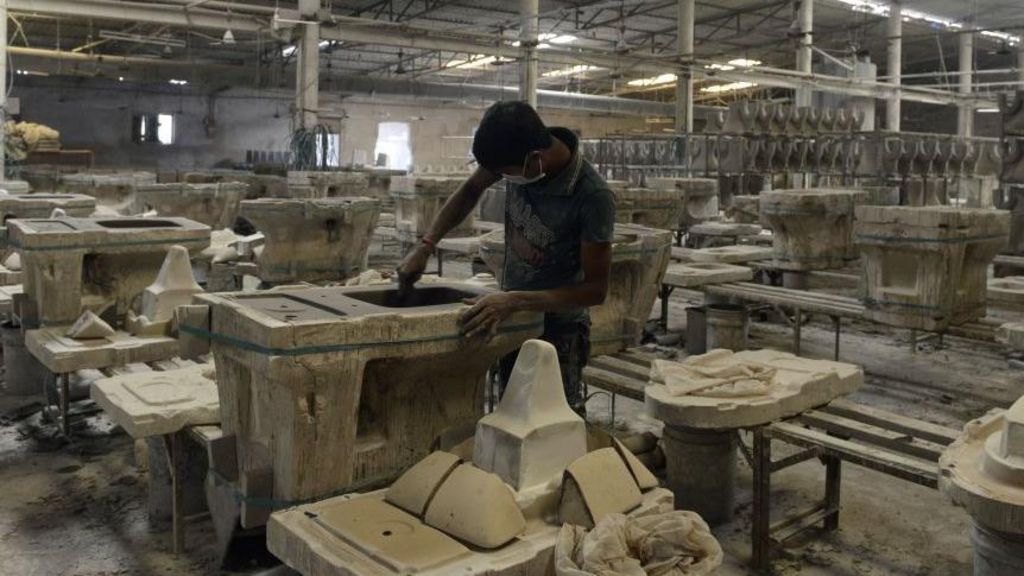
India’s ceramics manufacturing heartland faces an unprecedented production halt as geopolitical tensions in the Middle East disrupt critical energy supplies. The industrial cluster of Morbi in Gujarat state—responsible for approximately 80% of the nation’s ceramic output—has witnessed approximately 550 factories suspending operations since late February.
The manufacturing paralysis stems from severe disruptions in propane and natural gas deliveries, essential fuels for maintaining the high-temperature kilns required for ceramics production. This supply chain crisis originated from military exchanges between the US-Israel coalition and Iran in late February, which subsequently impaired maritime transit through the strategically vital Strait of Hormuz.
Industry representatives indicate that while three Indian-flagged vessels have successfully navigated the conflict zone, at least 21 other ships remain stranded awaiting safe passage. The manufacturing standstill has created ripple effects across multiple dimensions:
Economic Impact: With the ceramics sector valued at approximately ₹750 billion ($8.1 billion), the shutdown threatens both domestic supply chains and international export commitments. Morbi’s products regularly reach markets across the Middle East, Africa, and Europe.
Workforce Consequences: Approximately 400,000 workers—including significant numbers of migrant laborers from northern and eastern India—face immediate livelihood challenges. Many are returning to their home regions as factory operations remain suspended until at least April 15th.
Operational Challenges: Manufacturers report dual pressures—complete propane supply disappearance and highly volatile natural gas pricing—making production cost calculations impossible. The continuous nature of kiln operations means that abrupt shutdowns risk both equipment damage and product loss.
Market Implications: Traders are currently relying on existing inventories, but warn of potential price increases and delivery delays if production doesn’t resume promptly. The industry’s extensive network of 3,000 distributors and sellers may face shortages by April if the situation persists.
Government response has included prioritizing household, healthcare, and agricultural sectors for gas allocation while diplomatic efforts continue to stabilize energy imports. Foreign Minister S. Jaishankar has expressed optimism that negotiations with Iranian authorities will gradually restore normal shipping operations through the critical waterway.