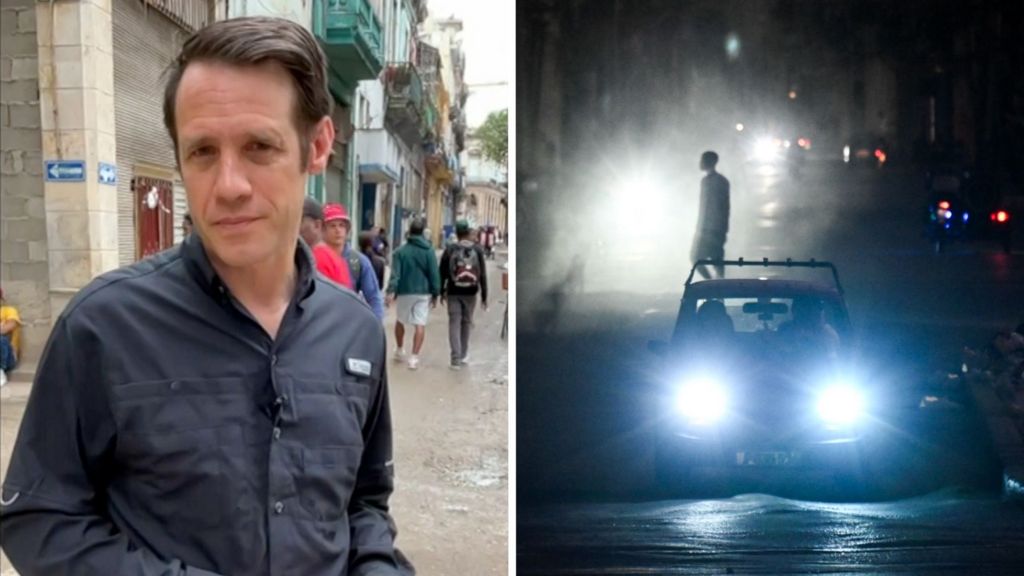
Cuba is confronting one of its most severe energy crises in decades as nationwide power grid failures plunge the island into darkness and disrupt daily life. The complete collapse of the national electrical system has created extraordinary challenges for Cuban citizens, who now face prolonged blackouts affecting homes, businesses, and essential services across the island.
The energy infrastructure breakdown comes amid existing economic pressures and international sanctions that have complicated maintenance and modernization efforts. Electrical grids require consistent upkeep and investment, resources that have become increasingly scarce in Cuba’s current economic climate. The situation has forced communities to develop adaptive strategies, with neighbors sharing resources and establishing informal support networks to mitigate the crisis’s impact.
Despite the severity of the power outages, there’s a notable demonstration of collective resilience among Cuban citizens. The population has shown remarkable ingenuity in coping with the emergency, developing community-based solutions to maintain some semblance of normalcy. This response highlights both the severity of the infrastructure challenges and the capacity of Cuban society to withstand adversity through cooperation and shared perseverance.
The government’s response to the crisis has included emergency measures and public appeals for conservation, while acknowledging the system’s vulnerabilities. International observers note that resolving the structural issues within Cuba’s energy sector will require substantial investment and technical expertise, presenting complex challenges given the country’s current economic circumstances and geopolitical situation.