BRUSSELS — European Union leaders convened an urgent summit on Thursday to address multiple overlapping crises, with Hungarian Prime Minister Viktor Orbán’s obstruction of a critical €90 billion ($104 billion) loan package for Ukraine dominating discussions. The funding deadlock has exposed deep fractures within the 27-nation bloc as Ukraine faces severe budgetary shortfalls in its ongoing defense against Russian aggression.
The Brussels gathering also prioritized developing coordinated responses to escalating energy price shocks and potential refugee flows stemming from Middle Eastern instability. Many EU members have resisted pressure from former U.S. President Donald Trump to deploy military resources to secure the Strait of Hormuz, instead favoring diplomatic solutions to ensure global energy security.
According to senior European diplomats speaking anonymously, the European Commission has proposed a comprehensive ‘toolbox’ of market-specific measures to mitigate economic disruptions from the war. This approach acknowledges the diverse energy markets across member states that require tailored solutions rather than one-size-fits-all policies.
The Ukraine aid package, initially agreed upon at December’s summit, has been stalled since Orbán reversed his position following a January drone attack on the Druzhba oil pipeline. The Hungarian leader, facing reelection next month, has launched an aggressive media campaign portraying both EU leadership and Ukrainian officials as adversaries. ‘If there is no oil, there is no money,’ Orbán declared in a social media statement this week.
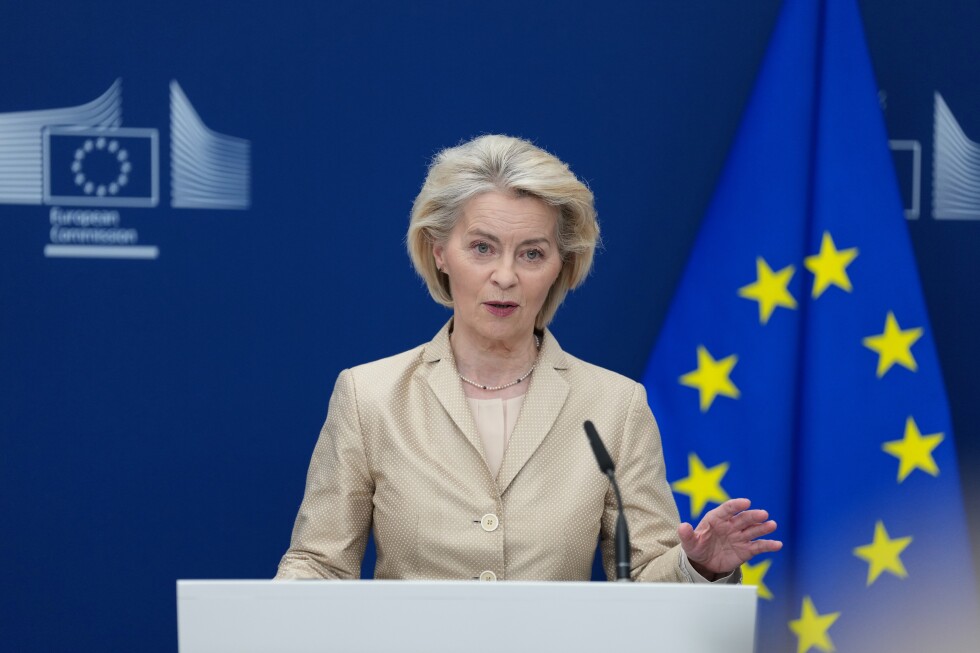
European Commission President Ursula von der Leyen has attempted to break the impasse by offering EU funding to repair the damaged pipeline and develop alternative fuel supply routes for Hungary and Slovakia, whose Prime Minister Robert Fico has similarly adopted pro-Russia positions.
Ukrainian President Volodymyr Zelenskyy emphasized the critical nature of the blocked funds, stating that while financing mechanisms might vary, ‘there is simply no alternative to strengthening our army.’ German Chancellor Friedrich Merz echoed this urgency, condemning the blockade as domestically motivated and calling for accelerated sanctions against Russia alongside the vital financial package.